weeklyAI
Week of 27 September 2026Semana del 27 de septiembre de 2026 · Past editions →Ediciones anteriores →
Six indexes were asked, in four languages, for the peer-reviewed open papers of the last 60 days: 25,273 were found for 9 sections. 18,881 passed the journal rule and were read against that section's own reader; 6,926 belonged there. 44 became stories that passed every check. Every figure is counted from this week's own files as this page is built.Se preguntó a seis índices, en cuatro idiomas, por los estudios abiertos y revisados por pares de los últimos 60 días: se encontraron 25,273 para 9 secciones. 18,881 pasaron la regla de revistas y se leyeron frente al lector de esa sección; 6,926 correspondían. 44 llegaron a ser notas que pasaron todas las comprobaciones. Cada cifra se cuenta de los archivos de esta misma semana al construir esta página.
Every week the new research on AI is read here, and this page tells you what was found, how far it can be trusted, and what you can do with it. This page is free, and every line on it says what was found.Cada semana se lee aquí la nueva investigación sobre inteligencia artificial y esta página le dice qué se encontró, hasta dónde se puede confiar en ello y qué puede hacer usted con eso. Esta página es gratis, y cada línea dice lo que se encontró.
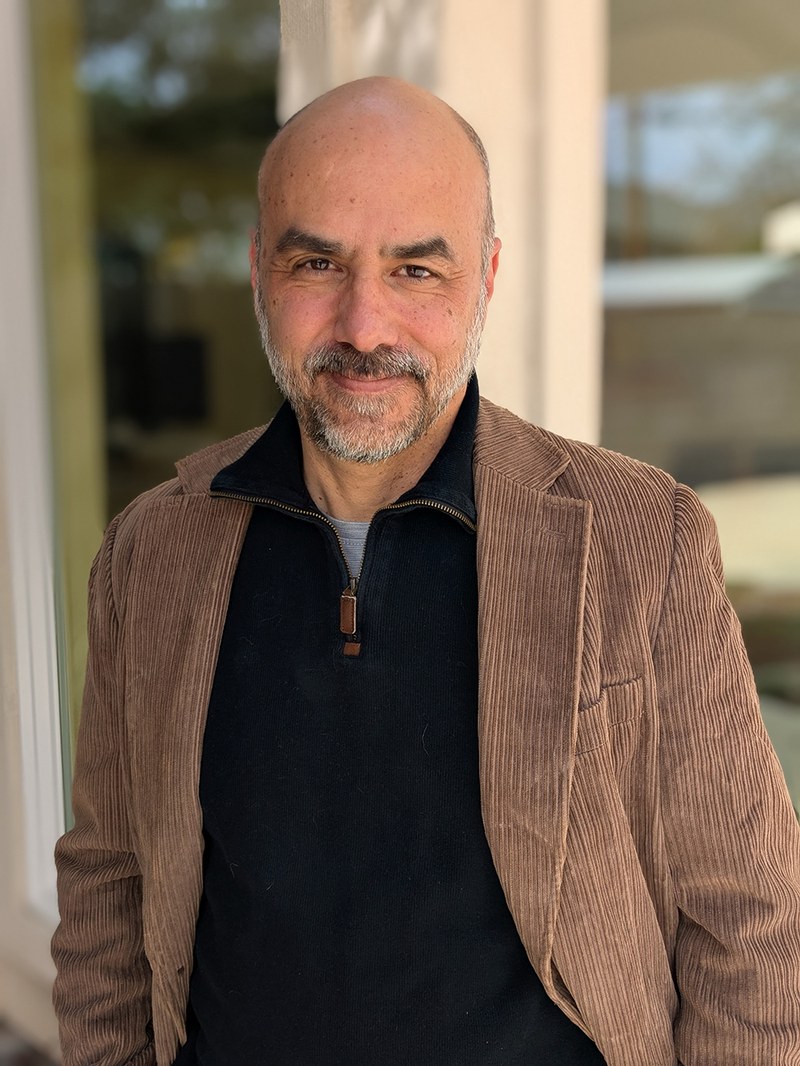
The studies are read by a machine built and ruled by a professor of communication at Sacramento State and UNAM. Who makes this →Los estudios los lee una máquina construida y gobernada por un profesor de comunicación de Sacramento State y de la UNAM. Quién hace esto →
Ask weeklyAI
Ask me about this week's research: what was found, how far it can be trusted, and what you can do with it. I answer from this week's stories.
Conversations are saved for as long as weeklyAI exists, to improve the publication. Answers come in the language you write in.
Pregunte a weeklyAI
Pregúnteme por la investigación de esta semana: qué se encontró, hasta dónde se puede confiar en ello y qué puede hacer usted con eso. Respondo a partir de las notas de esta semana.
Las conversaciones se guardan mientras exista weeklyAI, para mejorar la publicación. Se responde en el idioma en que usted escribe.
SectionSección
Your childSus hijos
for parents and everyone raising someone who is not yet an adultpara madres, padres y quien cría a alguien que todavía no es adulto
- Teens Who Self-Injure Are Already Using AI to Cope. free short + detailed The 21 teenagers had all hurt themselves in the past month. When researchers asked how they coped, the answers rarely started with a doctor or a therapist.Lo que estos adolescentes dicen que la IA sí puede hacer por ellos, y dónde falla gratis breve + detallada Veintiún jóvenes estadounidenses que se autolesionaban contaron cómo usan el celular para sobrellevarlo. Sus respuestas sirven para conversar en casa, no como prueba de que alguna herramienta funcione. Veintiún adolescentes estadounidenses de entre 14 y 18 años, que se habían autolesionado al menos dos días en el mes anterior, aceptaron ser entrevistados sobre cómo manejaban su malestar, a quién pedían ayuda y qué hacían con el celular. Los entrevistó una trabajadora social clínica con licencia, entre mayo de 2024 y abril de 2025. Las conversaciones se grabaron, se transcribieron y se analizaron por temas. Los jóvenes llegaron al estudio a través de un cuestionario en el sitio de una organización nacional de salud mental.
 Many Mental Health Apps for Teens Promise Privacy and Expert Help. A Review of 117 Finds Most Fall Short. subscribe short + detailed Such tools promise 24/7 availability, anonymity, and low cost. More than half, 56%, used free-with-payments or paywall models. And 60% had no privacy policy or disclaimer at all. A teenager who wants to talk to someone at 2 a.m. can now open an app.Muchas aplicaciones de salud mental para jóvenes prometen un espacio seguro y anónimo; una revisión de 117 de ellas encontró condiciones y costos que no siempre se anuncian suscríbase breve + detallada Los investigadores revisaron lo que las aplicaciones dicen de sí mismas, no si realmente ayudan o perjudican. Las cifras pueden no coincidir con la aplicación que su hijo ya usa. Muchas aplicaciones prometen apoyo las 24 horas, en secreto y sin costo.
 Teens Who Lean on AI for Comfort Report Weaker Bonds With Parents subscribe short + detailed In a simulated study of 400 adolescents, heavier AI chatbot use for emotional support went hand in hand with lower attachment security — but the data were not gathered from real families, so the size of the link is an estimate.Un tercio de los adolescentes de este estudio dice recurrir a los chatbots de IA porque su familia no los entiende suscríbase breve + detallada Un estudio con datos simulados, no recogidos de familias reales, halló que a mayor uso de la IA para apoyo emocional, menor vínculo reportado con los padres. No prueba causa. Cuando un adolescente está triste o ansioso, ¿con quién habla primero?
 Study: 6- to 10-year-olds guessed human or AI-made content no better than chance. subscribe short + detailed In a small US study, 6- to 10-year-olds guessed no better than a coin toss — and the AI they faced is already older than what's on your child's screen today. Children meet AI early: in entertainment platforms, learning apps and smart speakers.Niños de 6 a 10 años no distinguen bien lo que hace la IA, y más pantalla se asoció con peor juicio suscríbase breve + detallada Un estudio pequeño, hecho en una sola ciudad de Estados Unidos, encontró que los chicos puntuaron al nivel del azar o por debajo, y que el resultado más incómodo vino del uso de dispositivos en casa.
 Children Wrote Poems. So Did AI. The Children’s Were More Original. subscribe short + detailed A small Slovak workshop found kids’ poems more authentic and the AI’s more polished — and found most children named the AI itself as the author of a machine-written text. They came from primary schools mainly in the Prešov district. Over four days, in seven workshops, they became poets.Los niños escribieron poemas más originales; la IA, más correctos suscríbase breve + detallada Un taller con 87 niños en Eslovaquia sugiere que la originalidad y la corrección formal no siempre van juntas. En julio de 2024, 87 niños de entre 6 y 11 años participaron en siete talleres creativos del programa informal "MúzAI escribe poemas", en una universidad eslovaca.

SectionSección
Your mindSu mente
adults: attention, memory, judgement, attachmentadultos: atención, memoria, juicio, apego
- Students in Qatar Will Use AI for Stress. They Won't Let It Take the Therapist's Chair. free short + detailed In a small survey at one university, most said yes to AI for stress—and no to AI instead of face-to-face counseling. The students who answered the questionnaire were, in many cases, studying counseling and mental health themselves. And when researchers asked whether they would use AI applications to manage stress, a little over half said yes. But when the same students were asked whether they would prefer AI applications for mental health instead of traditional face-to-face counseling, a little over half said no. The students drew a line between using AI for stress and letting it replace face-to-face counseling. Trust and awareness sat in the middle. Their worries were specific. Overreliance on technology came next, at a bit over a quarter.Estudiantes en Qatar usarían la IA contra el estrés, pero no para reemplazar la terapia gratis breve + detallada En una encuesta a 220 universitarios, la mayoría la aceptó como apoyo para manejar el estrés, aunque prefirió mantener la conversación cara a cara con un profesional. Un grupo de universitarios en Qatar fue invitado a opinar sobre algo que muchos usan a diario: herramientas de inteligencia artificial para el cuidado de la salud mental. La mayoría de los participantes, el 65.91 por ciento, estudiaba en la facultad de consejería y salud mental. El estudio se realizó entre diciembre de 2025 y enero de 2026 en Doha, Qatar, y los datos se recogieron mediante una encuesta en línea a 220 estudiantes. Los autores están afiliados a la Universidad Lusail, en Doha, y la investigación recibió apoyo de esa misma universidad.
 Survey of US adults aged 18 to 49: about 35% use AI tools weekly for mental health support subscribe short + detailed The study looked at a commercial online panel, not the whole country — and its heaviest AI users were a small group. One in twenty — 5.5 percent — were counted as heavy users: people who said they regularly spend hours talking through their mental health with AI.Uno de cada tres adultos jóvenes de EE. UU. usa herramientas de IA para su salud mental, según una encuesta suscríbase breve + detallada El estudio no es representativo del país y solo muestra relaciones, no causas. La mayoría sigue prefiriendo a las personas. Un grupo de adultos estadounidenses de entre 18 y 49 años respondió en octubre de 2025 a una encuesta anónima en línea.
 How You Use AI May Matter More Than How Often subscribe short + detailed A survey of 589 students and young workers found two ways of leaning on a chatbot—and only one tracked with better self-rated thinking. You ask a chatbot to draft the email, outline the essay, settle the argument.En 589 estudiantes y jóvenes chinos, usar la IA como andamio se asoció con más motivación propia suscríbase breve + detallada Un estudio sugiere que delegar el pensamiento al chatbot se asocia con ceder el criterio y con menos motivación propia; usarlo como andamio se asocia con lo contrario. Son asociaciones, no causas, y todo se midió con lo que la gente dice de sí misma.
 Young Clients to Counselors: AI Can Do My Paperwork. Not My Feelings. subscribe short + detailed Fourteen college counseling clients drew a firm line between the machine that schedules and the machine that listens. They are the generation that grew up with screens, the ones you would expect to shrug at a chatbot in the therapy room.Catorce jóvenes en terapia: la IA puede agendar sus citas, pero no escuchar sus sentimientos suscríbase breve + detallada Un estudio pequeño en una universidad estadounidense muestra a dónde ponen el límite estos clientes, y por qué sus respuestas no son las de todos. Todas estudiaban en una universidad del Medio Oeste de Estados Unidos. No es una encuesta sobre lo que querrían todos los pacientes, ni usted.
 Heavy AI Use Went With Lower Critical Thinking Scores in One Group of Medical Students subscribe short + detailed The link was real but weak, and the survey cannot say which came first. Almost every medical student in one Indian college uses generative AI. Nearly all of them lean on it for schoolwork.Estudiantes de medicina que más dependen del chatbot obtienen puntajes más bajos de pensamiento crítico suscríbase breve + detallada El estudio es de un solo colegio en India y no puede probar causa y efecto. Aun así, invita a mirar cuánto de nuestro pensar le entregamos a la máquina. En un colegio de medicina de Tamil Nadu, India, casi todos usan inteligencia artificial generativa: 96 de cada 100 estudiantes encuestados.

SectionSección
Your jobSu trabajo
anyone whose livelihood depends on itquien vive de su trabajo
- Steady Jobs Are the Ones Most Exposed to AI Language Tools, Canadian Study Finds free short + detailed The research looked at occupations, not individual workers, so it cannot say what happens to your own job. In Canada, occupations with the steadiest conditions — regular hours, permanent positions, enough pay — are also the ones whose tasks are most exposed to AI language tools. That is the finding of a study in the Scandinavian Journal of Work, Environment & Health. Researchers at the Institute for Work & Health in Toronto and other Canadian institutions wanted to know which occupations face the most exposure to large language models, the software behind tools like chatbots that can read, write and summarize text. They used four years of Canada's Labour Force Survey, from 2021 to 2024, which has an approximate sample of 100,000 workers.Los empleos más estables son los más expuestos a la inteligencia artificial gratis breve + detallada Un estudio canadiense halló que las ocupaciones con horarios más firmes y mayor permanencia son las que más tareas tienen que un programa de lenguaje podría hacer. Pero el estudio mira ocupaciones, no personas. En Canadá, los trabajos con horarios regulares y cierta permanencia son los que más tareas contienen que una herramienta de lenguaje de inteligencia artificial podría realizar. Los trabajos con horarios irregulares o empleo temporal aparecen, en cambio, menos alcanzados por esas herramientas. Eso encontró un equipo de investigadores del Institute for Work & Health, en Toronto, y de otras instituciones canadienses. Aplicaron esa medida a 512 ocupaciones canadienses.
 Surveyed Pharmacists Say AI Can Help Tasks and Threaten Jobs subscribe short + detailed In a survey in the United Arab Emirates, the same people who saw AI easing their workload feared losing the job itself. In the United Arab Emirates, 340 pharmacists were asked to rate statements about artificial intelligence in pharmacy practice. Most of them, 67%, worked in community pharmacies.Los farmacéuticos de los Emiratos ven la IA como una ayuda y como una amenaza suscríbase breve + detallada En una encuesta, 340 farmacéuticos de ese país dijeron que la IA acelera su trabajo, pero también temen que los reemplace y enfríe el trato con los pacientes. La mayoría trabajaba en farmacias comunitarias.
 App Work in Italy Split Into Four Groups, Study Finds subscribe short + detailed The most financially strained were older workers with care duties, not the youngest — and the Italian data from 2018 and 2021 can’t tell anyone what causes what. They are the people a national survey reached by telephone. What they found is that these workers are not one group.El trabajo por aplicaciones en Italia no es un solo mundo: son cuatro suscríbase breve + detallada Un estudio con encuestas nacionales encontró que quienes reparten, conducen o hacen tareas en línea no forman un grupo parejo, y que la mayor estrechez económica no estaba entre los más jóvenes. De ellas, 222 y 492 respectivamente dijeron haber trabajado por plataformas.
 In South Korea, an AI Program Screens New Nurses. Applicants Say No One Told Them How It Scores. subscribe short + detailed In interviews, 10 nursing applicants and 10 nurse educators described assessments that save time but leave the rules unclear. AICAs are based on one-sided communications with a computer without interpersonal interaction.Un programa de IA decide quién pasa a la entrevista. En Corea del Sur, los postulantes a enfermería dicen que nadie les explica cómo los califica. suscríbase breve + detallada El pequeño estudio entrevistó a 20 personas. Describe lo que sintieron, no lo que la herramienta mide realmente. En hospitales de Corea del Sur, quien busca su primer empleo como enfermero o enfermera puede quedar frente a un programa de inteligencia artificial antes de hablar con cualquier persona.
 The Rejection Letter That Treats You Like a Number subscribe short + detailed A small experiment finds that a generic rejection from an AI recruiter makes people see the machine as colder and less human—but the test used imagined rejections, not real ones.La carta que rechaza también comunica quién lo rechazó suscríbase breve + detallada En experimentos con adultos británicos, una carta de rechazo escrita por un reclutador de inteligencia artificial que explicaba y personalizaba el "no" hizo que la máquina pareciera menos fría. No fueron rechazos reales.

SectionSección
Your parentsSus padres
older people and the adult children who look out for thempersonas mayores y los hijos adultos que las cuidan
- AI Chatbots Often Backed a UTI Diagnosis. The Test Used Made-Up Questions. free short + detailed Three chatbots open to the public were asked about a positive urine test without the specific signs of a urinary infection. Most of their answers went along with the idea that this was a urinary tract infection, and most recommended seeking care right away, but only 8 of 24 mentioned antibiotics. Picture a parent in their late sixties or eighties, a routine urine test comes back positive, and there's no burning, no urgency, nothing unusual. A family member turns to an AI chatbot for a quick answer. That's the situation researchers set up—on paper. They wrote two made-up scenarios about a positive urine test without the usual urinary tract infection symptoms, a condition called asymptomatic bacteriuria.Los chatbots de IA suelen respaldar el diagnóstico de infección urinaria ante una prueba positiva, aunque las personas mayores no tengan síntomas gratis breve + detallada Un estudio con preguntas simuladas encontró que tres chatbots abiertos al público respaldaron la idea de infección en la mayoría de los casos. Fue una simulación, no atención real. Muchas personas mayores y sus hijos recurren hoy a los asistentes de inteligencia artificial para resolver dudas de salud. Escriben los síntomas en el teléfono o la computadora y reciben una respuesta conversacional en segundos, como si consultaran con alguien. Un grupo de investigadores quiso observar qué contestan esas herramientas ante una situación frecuente en adultos mayores: un análisis de orina positivo, sin los síntomas típicos de una infección urinaria. En uno solo aparecía la prueba positiva; en el otro se agregaban fiebre y orina con olor fuerte.
 Older Adults and Their Caregivers Were Asked What They'd Want From a Voice Assistant. Here's What They Said. subscribe short + detailed In a small study, nine people imagined a voice assistant built for care — and named the worries that would decide whether they'd let one in.Asistentes de voz para el cuidado: lo que piden las familias y lo que les preocupa suscríbase breve + detallada Un estudio con nueve personas exploró qué esperarían de un asistente de voz pensado para el cuidado en casa, y qué condiciones pondrían antes de confiarle información de salud.
 A Phone Chatbot and Blood Pressure: What a Small Study in Thailand Found subscribe short + detailed A 12-week program on a messaging app was linked to better blood pressure and healthier habits. The study cannot prove the chatbot did it. In Thailand, 68 people aged 60 and over with diagnosed high blood pressure joined a study. All were living at home and taking blood pressure medicine.Un chatbot en el celular ayudó a controlar la presión, pero el estudio no prueba que sea la causa suscríbase breve + detallada En un estudio tailandés con 68 adultos mayores, quienes usaron un programa de mensajes por 12 semanas mejoraron sus conocimientos, sus hábitos y su presión arterial. Los autores advierten que los resultados son preliminares. En el grupo de atención habitual, la presión diastólica subió.
 Chatbot Answers on Preventing Falls: Mostly Good, Half Too Hard to Read subscribe short + detailed In a small test of 10 questions, six experts rated ChatGPT's replies on falls and home safety. The advice was often sound, but the reading level was not always suited to older adults.Un chatbot respondió bien sobre caídas, pero con letra chica difícil de leer suscríbase breve + detallada Un panel de expertos evaluó diez respuestas de ChatGPT sobre prevención de caídas: la mayoría fue aceptable, pero la mitad estaba escrita por encima del nivel recomendado para materiales de salud.
 Taiwan survey: older adults' chatbot experience tied most to finishing tasks, less to photo check-ins subscribe short + detailed A survey of older adults in southern Taiwan found that getting a task done was tied to a better overall experience with the app. It cannot show that one caused the other. They asked 299 people aged 60 and over who had already used the chatbot.Abuelos en Taiwán: la función que ayuda a completar tareas pesa más en cómo evalúan el chatbot suscríbase breve + detallada Un estudio en Taiwán sugiere que las funciones que permiten terminar una tarea pesan más en la experiencia general que las que solo piden una imagen. No prueba causa. Un equipo del Hospital Municipal de Tainan encuestó a 299 de estas personas, todas con experiencia previa en el uso del chatbot.

SectionSección
Your studentsSus estudiantes
what helps a person learn, and what gets in the waylo que ayuda a aprender y lo que estorba
- Most Students at One U.S. University Use AI Weekly. Nearly Half Still Don't Know the Rules. free short + detailed In a survey of 467 students, clear guidance mattered more than misuse in who felt afraid of being accused of cheating. At a large public research university in the United States, using artificial intelligence for schoolwork is not an occasional shortcut. It is part of the routine. Of 467 undergraduate and graduate students surveyed, 68 percent said they use AI tools at least weekly for academic work, and 31 percent said they use them daily. They reported turning to these tools most often for studying for exams, researching topics, and drafting or refining written assignments. Fewer used them for coding or quantitative problem-solving. Researchers at Arizona State University's W. P. Carey School of Business ran the survey and the analysis.La IA ya es rutina en una universidad de Estados Unidos: la mayoría la usa cada semana, pero casi la mitad no entiende las reglas gratis breve + detallada Un solo campus, con normas definidas por cada profesor, muestra cómo la falta de claridad pesa más que la trampa en la ansiedad de los estudiantes. En una universidad pública grande de Estados Unidos, usar inteligencia artificial para estudiar dejó de ser una novedad. De 467 estudiantes de pregrado y posgrado encuestados, el 68% dijo usar herramientas de IA al menos una vez por semana, y el 31% señaló que las usa a diario, sobre todo para preparar exámenes, investigar temas y redactar o corregir trabajos escritos. El estudio, publicado en junio de 2026, encuestó a esos 467 estudiantes en un solo campus estadounidense. La mayoría vio beneficios: el 72% dijo que la IA mejora su eficiencia o su comprensión del material.
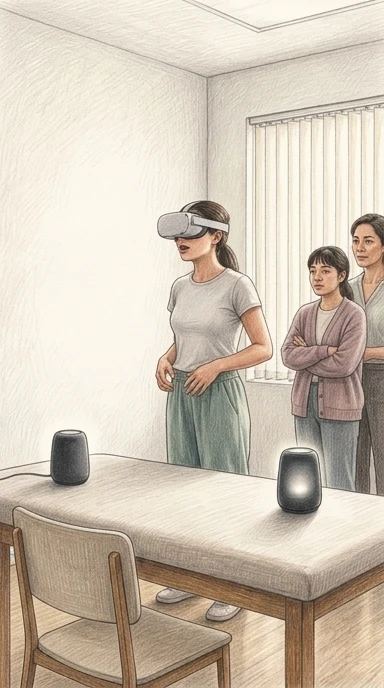 AI Feedback in VR Practice Raised Nursing Students' Scores — in One Chinese Hospital subscribe short + detailed The gains were measured right after the sessions, in a research-only exam, and the AI was never compared with a human instructor. Each station put them in a headset, facing a virtual patient: one with postoperative pain, one with chest pain needing triage.La retroalimentación inmediata de ChatGPT dentro de la realidad virtual mejoró la comunicación y las decisiones de estudiantes de enfermería suscríbase breve + detallada En un solo hospital docente de China, 65 estudiantes practicaron dos exámenes clínicos simulados; con la inteligencia artificial obtuvieron mejores puntajes y terminaron más rápido. El estudio no midió si esas habilidades duran ni si sirven con pacientes reales.
- ChatGPT Marked 557 Medical Exam Answers. It Disagreed With the Human Expert on 63 Percent of Them. subscribe short + detailed In one postgraduate course, the software graded more harshly than the person who knew the subject — and the gap was widest on the questions that ask students to weigh evidence. Postgraduate courses run on short written answers. A student reads a case, writes a few hundred words, and waits.ChatGPT calificó 557 exámenes médicos. Marcó más duro que el experto humano. suscríbase breve + detallada Un estudio australiano comparó las notas de la máquina con las de un docente. En 63% de las respuestas, la diferencia fue demasiado grande para un examen decisivo. En cursos de posgrado, calificar cientos de respuestas escritas consume días de trabajo docente.
 AI Feedback, Real Gains in Fifth-Grade Science — But One Small Class Can't Prove It Everywhere subscribe short + detailed A small controlled study found much stronger learning growth when assessment was AI-assisted, with teachers turning the computer's diagnosis into fast feedback.La evaluación con IA superó a la convencional en un aula de quinto grado suscríbase breve + detallada Un estudio pequeño encontró más avance en ciencias con tareas y proyectos apoyados por un sistema de lenguaje natural. El diseño no fue aleatorio y el mérito es de docentes y máquina juntos.
 Medical Students Let ChatGPT Do the Thinking in Group Work subscribe short + detailed A small UK study watched 45 students use AI during case-based learning. It found them skipping the struggle — and rarely checking the answers. The room looked like any other medical school group work: second-year students around iPads, clinical cases to solve, a workbook to finish.Estudiantes de medicina delegaron su razonamiento a ChatGPT durante el trabajo en grupo suscríbase breve + detallada Lo usaron sobre todo para terminar rápido las preguntas del cuaderno. Los grupos que colaboraban más lo usaban menos y lo discutían más. En cada sesión, trabajando en grupos, tenían a mano ChatGPT. Después analizaron todo el material por temas.

SectionSección
Your businessSu negocio
professionals and owners of small and medium businessesprofesionales y dueños de pequeñas y medianas empresas
- Competitors at the Door, Not AI, Moved These Businesses free short + detailed In a survey of 285 small firms in Romania, pressure from rivals and backing from the boss predicted whether managers saw AI as worth it. Actually using AI did not. In Romania, only about 3 in 100 businesses use artificial intelligence — the lowest rate in the European Union. Among the small and medium-sized companies researchers surveyed there, most still run without AI tools. A little over a quarter used none of the digital platforms the questionnaire asked about at all. The researchers wanted to know what makes a small firm see a new technology as an advantage. Companies that felt the heat from competitors were the most likely to see AI as an edge. Firm size pointed the other way, but only slightly: bigger companies saw a bit less advantage.En Rumania casi nadie usa IA. Los que la adoptan por presión de la competencia, no por la herramienta. gratis breve + detallada Un sondeo a 285 pymes rumanas halló que lo que más pesa es mirar al rival y tener respaldo de la gerencia. Usar IA todavía no se tradujo en mejores resultados. En Rumania, apenas 3% de las empresas usa inteligencia artificial, el nivel más bajo de la Unión Europea. En el resto del bloque, el promedio subió de 8% a 13.5% entre 2023 y 2024. La mayoría de las pymes rumanas sigue sin estas herramientas. Entre octubre y diciembre de 2025, un equipo de investigadores encuestó a 285 pymes de ese país. Entre las más destacadas hay empresas de servicios, manufactura, comercio y tecnología de la información. Preguntaron por su uso de tecnología, el respaldo de la gerencia, la presión de la competencia y sus resultados.
 Small Online Shops Tried Analytics and AI. The Gains Were Real to Them—Nobody Audited the Books. subscribe short + detailed Twenty-five owners and managers in Romania described better-grounded decisions and steadier sales. They also described what stopped them: cost, and not enough people who knew how to use the tools. Romania's online shops are mostly very small businesses.Lo que 25 dueños de tiendas en línea dijeron que ganaron con analítica e IA, y lo que casi los frena suscríbase breve + detallada Entrevistas en Rumania: decisiones mejor fundamentadas y márgenes más claros, según los propios gerentes. No son resultados auditados, y el estudio no dice cuánto costó nada de esto. Las conversaciones fueron por teléfono, entre septiembre y octubre de 2025, y duraron entre 25 y 40 minutos.
 Vocal AI Startups Had No Shared Rules for Collecting Voice Data, Small Interview Study Finds subscribe short + detailed Eleven companies that turn voices into health screening tools described shaky data standards, uneven ethics review and voice recordings that can never truly be anonymized. Some of them collect recordings from thousands of people across several countries.Once empresas de voz con IA responden cómo recogen sus datos: sin estándares comunes, con revisión ética desigual y sin plan para lo que pasa después suscríbase breve + detallada Un estudio entrevistó a once firmas que aplican inteligencia artificial a la voz para detectar enfermedades. No midió si sus productos funcionan. Luego codificaron las transcripciones en seis temas.
 Your Staff Decide Whether the AI Tool Gets Used. A Survey of 145 Employees Says Culture Beats Job Fear. subscribe short + detailed In a small study of operational employees at small and medium businesses, how the company treats people was linked to acceptance more strongly than fear of losing work. Only 145 people answered, mostly men, one per company — so treat the ranking as a checklist, not a forecast.La cultura de su empresa pesa más que el miedo a perder el empleo al aceptar la IA suscríbase breve + detallada Un estudio con 145 trabajadores de pymes puso la cultura de la empresa por encima de la facilidad de uso y del miedo a perder el empleo. En una pyme, la herramienta de inteligencia artificial que usted compra no se usa porque usted la apruebe.

SectionSección
Your rightsSus derechos
every citizentodo ciudadano
- A Chatbot Warning Changed What Students Said They'd Do free short + detailed In a test of 768 college students in China, messages about privacy and about the chatbot's limits shifted stated intentions — but nothing real was tested. A student types into a generative AI chatbot: stressed, not sleeping, not sure who to talk to. The chatbot answers right away. Before that first message, though, the screen may show something else — a note about what happens to what you type, or a note saying the chatbot cannot replace a counselor. Researchers at five different institutions in China, including hospitals and a middle school, wanted to know whether those two notes change how students judge the chatbot. They ran a randomized experiment with 768 college students. The students who saw the privacy note reported feeling more protected.Un mensaje breve antes de escribir: así cambian lo que usted decide gratis breve + detallada Un estudio con estudiantes en China sugiere que dos avisos visibles modifican lo que la gente dice que haría. No probó qué pasa después. Muchos estudiantes universitarios ya preguntan a los chatbots de inteligencia artificial por el estrés, el sueño o el malestar emocional. Son herramientas fáciles de alcanzar y que no juzgan. Pero plantean dudas: ¿qué pasa con lo que uno cuenta? ¿Hasta dónde puede llegar esa ayuda? Un grupo de investigadores chinos quiso saber si dos mensajes breves en la pantalla del chatbot cambian cómo la gente lo evalúa. Uno es la garantía de privacidad: una frase que explica cómo se manejan los datos. El otro es la advertencia de límites: una frase que aclara que el chatbot no sustituye a un profesional.
 Few European Countries Have Rules for Who Pays When Health AI Harms a Patient subscribe short + detailed The WHO surveyed 50 countries on how they govern AI in health care. Most are still writing the rulebook — and none of it covers the Americas. If a hospital uses an AI tool and something goes wrong, who answers for it? The results describe governance that is still being built.Una encuesta de la OMS Europa halló que menos de 10% de 50 países tiene normas sobre quién responde por la IA en salud. suscríbase breve + detallada Una encuesta de la OMS Europa encontró que casi ningún gobierno tiene reglas sobre quién responde cuando una herramienta de IA daña a un paciente. Usted entrega su rostro, su voz, sus datos y su trabajo a herramientas de inteligencia artificial (IA).
 Doctors Are Using AI Nobody Approved — At Least in Sweden subscribe short + detailed Survey of 357 Swedish physicians found unauthorized ChatGPT use for diagnoses, patient letters and research. It cannot say how common this is anywhere else, or what your own country allows. In Sweden, physicians answered a questionnaire about how they use artificial intelligence at work.Médicos suecos usan ChatGPT sin autorización para diagnósticos y cartas a pacientes suscríbase breve + detallada Un estudio describe para qué lo usan, pero no puede decir cuántos lo hacen ni qué permiten las leyes de otros países. Los médicos respondieron preguntas abiertas sobre cómo la inteligencia artificial había cambiado sus tareas. Reiniciaron el análisis para estudiar ese patrón.
 Clinicians Say AI Scribes Are Writing Notes Patients Can Read — And They Don't Trust the Result subscribe short + detailed In a small analysis of online medical forums, doctors describe a gap between what a machine records and what they can vouch for. In the United States, patients can now open their medical notes and read what their doctor wrote about them.Un médico firma, una máquina escribe: quién responde por lo que dice su expediente suscríbase breve + detallada En foros de profesionales, los clínicos describen notas generadas por inteligencia artificial que suenan correctas pero contienen errores. Es un estudio de conversaciones, no de leyes: no dice qué exige su país. En Estados Unidos, los pacientes pueden leer las notas clínicas de sus visitas.
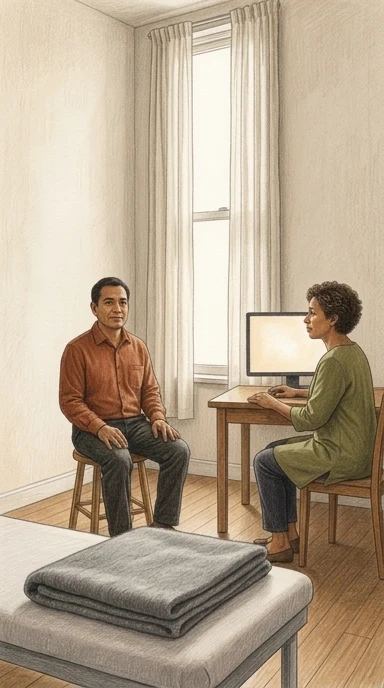 Your Scan Trained the AI. A Study Says It Could Also Point Back to You. subscribe short + detailed A research audit found that for a small number of patients, a model's answers were enough to reveal whether their data had been used to train it — even when the average result looked like a coin toss. People hand over medical images, heart tracings and health records every day.La IA médica puede delatar a algunos pacientes, no a todos suscríbase breve + detallada Un estudio con siete bases de datos clínicas muestra que ciertos pacientes son identificables casi con certeza, mientras el promedio oculta ese riesgo. Muchas veces usted no sabe que eso ocurre ni para qué se usan después. También aparecieron diferencias entre grupos.

SectionSección
Your voteSu voto
every voter, and the poll worker, the teacher and the local reporter beside themtodo votante, y quien trabaja en la casilla, el maestro y el reportero local a su lado
 A study of four AI deepfake detectors found the best one was right on 64.68 percent of mixed videos. free short + detailed The document names no way for a voter to check a specific video.Un estudio midió cuatro modelos de IA para detectar videos falsos, pero acertó poco. gratis breve + detallada El documento no nombra ninguna forma para que usted verifique esto. El estudio es un ejercicio de comparación entre modelos, no una regla ni una auditoría electoral. No existe en el documento ninguna autoridad electoral que se haya pronunciado, ni resolución, ni dictamen sobre estos modelos.
 A new deepfake detector was tested on two video datasets and scored high on both. subscribe short + detailed The document names no way for a voter to check a video tonight, and no electoral authority ruling or audit.
 A deepfake detector for faces was tested in a lab, not in an election subscribe short + detailed The article names no way for a voter to check a suspicious video or message before voting. It points to no register page, ad library or provenance mark for you to open tonight.Herramienta de laboratorio detecta caras falsas con 99% de acierto, pero no se probó en una elección real ni en su comunidad suscríbase breve + detallada 2. Las 500 fotos bangladesíes no son públicas por privacidad, así que usted no puede repetir la prueba con caras de su país. El documento no nombra ninguna página de autoridad electoral, registro o verificador que usted pueda consultar esta noche.
 A detector flagged fake faces in a lab test, not in your feed. subscribe short + detailed The paper names no way for a voter to check a specific video or ad. The paper states no electoral rule, no ruling and no audit; it is a model evaluation, not a finding by any electoral authority.Un detector automático de caras falsas acertó 95 de cada 100 veces en un conjunto de imágenes fijas; no se probó con video. suscríbase breve + detallada El artículo no nombra ninguna forma en que usted pueda verificar esto por su cuenta. El artículo no menciona ninguna autoridad electoral, ninguna regla en vigor ni ninguna auditoría. Solo reporta resultados de laboratorio sobre imágenes fijas de un conjunto de datos.
 Fake videos and images were checked around Bangladesh's 12 February 2026 vote; the checks show what was verified, not how many people saw it. subscribe short + detailed The article names ways for a voter to check a picture or video: trace the visual source, and treat unreported events shown in images as unverified by default.Bangladés: 122 mentiras políticas hechas con IA verificadas, no todas las que circularon suscríbase breve + detallada El documento recomienda rastrear la fuente visual y tratar los eventos no reportados que aparecen en imágenes como no verificados por defecto.
SectionSección
The good newsLas buenas noticias
anyone who only ever hears the alarmquien solo escucha la alarma
- AI-Assisted Breast Screening Reached 54,970 Women in Colombia — and Found 15 Cancers free short + detailed Nurses carried portable scanners into areas with almost no breast health services. The report shows who was reached, not whether lives were saved. The article describes a study in which 244 municipalities — about 22 percent of the country — have no breast health services at all. The article describes a study in which, in 55 percent of municipalities, there is only one public hospital. Many women live where a mammogram or a clinical breast exam by trained staff is simply not available. The Cuídalas Program was built for them. It is a community-based primary care effort supported by artificial intelligence and portable devices, designed to bring screening to women who cannot reach standard services. Education efforts reached another 291,330 people.En Colombia, la inteligencia artificial llevó el tamizaje de mama a mujeres que no tenían cómo hacérselo gratis breve + detallada Un programa comunitario alcanzó a casi 55,000 mujeres en zonas de bajos recursos y confirmó 15 casos de cáncer. Es un reporte de funcionamiento, no una prueba de que salve vidas. El artículo recoge un estudio según el cual en 244 municipios de Colombia —el 22% del país— no hay ningún servicio de salud de mama. El artículo recoge un estudio según el cual en el 55% de los municipios solo existe un hospital público. Para muchas mujeres, la mamografía o el examen clínico de mama simplemente no están a la mano. Para llegar a ellas se diseñó el Programa Cuídalas, una iniciativa comunitaria de atención primaria apoyada en inteligencia artificial y dispositivos portátiles. En el 6.22% se encontraron hallazgos que requerían evaluación adicional.
 Moscow Study: AI Mammography Software Improved Cancer Detection Accuracy After Repeated Testing subscribe short + detailed After nearly three years of testing, the software's readings came much closer to radiologists' readings. The study does not show whether women lived longer. In Moscow, women get mammograms. X-rays of the breast, looking for cancer early, when it is easier to treat.La IA que leyó 404,502 mamografías en Moscú: lecturas más precisas, con una advertencia suscríbase breve + detallada Un estudio de casi dos años y medio en un solo sistema de salud encontró que el programa mejoró con el tiempo. No midió si las pacientes vivieron más. En Moscú, un sistema de inteligencia artificial revisó 404,502 mamografías provenientes de 206 organizaciones médicas.
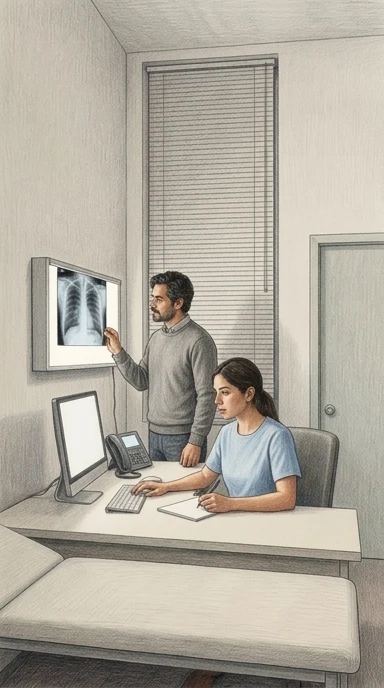 AI Shaved 18% Off Chest X-Ray Reading Time in a Chinese Hospital Study subscribe short + detailed A small trial found junior radiologists wrote better, faster reports with an AI assistant — but every report was still checked by a human, and the patients were all in China. In between, chest X-rays keep piling up. Researchers built an AI assistant for exactly that bottleneck.La IA ya ayuda a leer radiografías de tórax, pero el trabajo sigue siendo humano suscríbase breve + detallada En un estudio con 296 pacientes en China, los radiólogos que usaron un borrador de IA entregaron mejores informes y tardaron 18.3% menos. Los pacientes eran chinos y todos los informes los firmó un médico.
 AI Blood Test Spotted Cancer Risk in England. It Never Changed Anyone's Care. subscribe short + detailed A five-year NHS study found five of nine blood tests could sort high-risk patients from low-risk ones — but the results went into a file, not a doctor's hands. In England, more than 3 million people a year are sent by their doctor on an urgent cancer referral.Un análisis de sangre podría ordenar las urgencias oncológicas en Inglaterra suscríbase breve + detallada En un estudio del NHS, cinco pruebas identificaron mejor el riesgo de cáncer. Nadie fue tratado con base en ellas, y solo se hicieron en Inglaterra. Solo alrededor de 6 de cada 100 resultan tener cáncer.
 Free Breast Scans in China, Sorted by AI — With One Number Still Missing subscribe short + detailed A 6,817-woman screening program used software to rank risk. The follow-up did not check everyone. In ten places across China, 6,817 women received free breast ultrasound screening. A computer program called BIRD looked at each scan and sorted the women into three groups: low, medium and high risk.Un programa gratuito en China clasificó a 6,817 mujeres por riesgo de cáncer de mama con ayuda de una IA suscríbase breve + detallada La herramienta también mejoró la lectura de las ecografías por parte de los médicos, pero fuera de China su rendimiento bajó, y el seguimiento se centró en las mujeres de mayor riesgo. De todas ellas, 5,373 quedaron en riesgo bajo, 1,143 en riesgo medio y 301 en riesgo alto.
Who makes thisQuién hace esto
Diego Bonilla, Ph.D.Diego Bonilla, Ph.D.
Full Professor of Communication Studies, Sacramento State, California, United States
Graduate instructor, Universidad Nacional Autónoma de México (UNAM), MexicoProfesor titular de Estudios de la Comunicación, Sacramento State, California, Estados Unidos
Docente de posgrado, Universidad Nacional Autónoma de México (UNAM), México
I am a professor of communication at Sacramento State, where I created the course Information Management and Privacy and have taught it many times, and at UNAM, in Mexico City, I teach the graduate course Electronic and Generative Literature with AI. In both I teach AI. I have taught since 1989, at first mathematics and physics to children who found them hard, and since 1997 one subject that has changed its name many times: media literacy, computer literacy, digital literacy, information literacy, ICT literacy, and now AI literacy.
This page exists because most people cannot go back to a university, and these systems are changing their work, their children's schooling, their parents' care and their vote all the same. What a university teaches about them should reach the people who need it, every week, in plain language, without enrolling anywhere. That is what I do here, and it is what I do on Thursday mornings in a seminar for the Renaissance Society at Sacramento State, built on this publication, where anyone can send a question and hear it answered.
In 2003 my doctorate at Syracuse measured what a machine can infer about a person from the traces they leave, and what I found became the privacy course I still teach. In 2007 and 2009 I sat on the committee at ETS in Princeton that set the national standard for digital literacy, and from 2014 to 2016 I was the California State University's ICT Literacy Ambassador. Six names, one job: helping people not be at the mercy of the newest machine.
Soy profesor de comunicación en Sacramento State, donde creé el curso Gestión de la Información y Privacidad y lo he dado muchas veces, y en el posgrado de la UNAM, en la Ciudad de México, doy el curso Literatura electrónica y generativa con IA. En los dos enseño inteligencia artificial. Doy clases desde 1989; al principio, matemáticas y física a niños a los que se les hacían difíciles, y desde 1997 una sola materia que ha cambiado de nombre muchas veces: alfabetización mediática, informática, digital, informacional, en TIC, y ahora en inteligencia artificial.
Esta página existe porque la mayoría de la gente no puede volver a la universidad, y estos sistemas les están cambiando el trabajo, la escuela de sus hijos, el cuidado de sus padres y su voto de todos modos. Lo que una universidad enseña sobre ellos debe llegar a quien lo necesita, cada semana, en lenguaje llano, sin inscribirse en ninguna parte. Eso es lo que hago aquí, y es lo que hago los jueves por la mañana en un seminario para la Renaissance Society de Sacramento State, construido sobre esta publicación, donde cualquiera manda una pregunta y la oye contestada.
En 2003 mi doctorado en Syracuse midió lo que una máquina puede inferir de una persona por los rastros que deja, y lo que encontré se volvió el curso de privacidad que sigo dando. En 2007 y 2009 formé parte del comité de ETS en Princeton que fijó el estándar nacional de alfabetización digital, y de 2014 a 2016 fui el embajador de alfabetización en tecnologías de la información de la Universidad Estatal de California. Seis nombres, un solo oficio: que la máquina más nueva no lo agarre a usted desarmado.
I have also worked on the other side of the counter. In 2000 I began making films that a machine assembles differently for every viewer; the first of them took first prize at the Moscow International Film Festival in 2004, two decades before the industry shipped a generative model. A generative video poem I made with a poet at UNAM is in the field's definitive anthology, and in 2025 my VR work took an award at an AI film festival. My recent published research is on AI and elections, and on how these models represent the cultures they were not trained on. I do not read the papers myself, and this page will never tell you I do. I built the machine that reads them and wrote the rules it reads by, and I read what it gives me the way I have taught my students to read: asking how it knows, and who benefits from what it says.
También he trabajado del otro lado del mostrador. Empecé en el internet en español antes de que hubiera qué vender en él, con una revista literaria en línea en 1995. Desde el año 2000 hago cine que una máquina arma distinto para cada espectador; la primera de esas películas ganó el primer premio del Festival Internacional de Cine de Moscú en 2004, dos décadas antes de que la industria vendiera un modelo generativo. Big Data, un poema en video generativo hecho con el poeta Rodolfo Mata de la UNAM, quedó en la antología definitiva del campo, y en 2025 mi obra en realidad virtual ganó un premio en un festival de cine de inteligencia artificial. Mi investigación reciente publicada es sobre inteligencia artificial y elecciones, y sobre cómo estos modelos representan a las culturas latinoamericanas, que es justamente la pregunta que esta región tiene que hacerle a una tecnología entrenada en otra parte. No leo yo los estudios, y esta página nunca le va a decir que sí. Construí la máquina que los lee y escribí las reglas con las que los lee, y leo lo que me entrega como les he enseñado a leer a mis estudiantes: preguntando cómo lo sabe, y a quién le conviene lo que dice.
The vendors began teaching AI literacy two years ago, because before that there was nothing to sell. I am not against them. I am simply not one of them, and no one who sells these systems pays for this page.
Los vendedores llevan dos años enseñando alfabetización en inteligencia artificial, porque antes no había nada que vender. No estoy en contra de ellos. Simplemente no soy uno de ellos, y nadie que venda estos sistemas paga esta página. Esta edición no está traducida: la escribo en español, para la región, porque así empecé y a esto vuelvo.
The record, datedLa trayectoria, con fechas
- 1989 Teaching begins, Mexico CityEmpiezo a dar clases, Ciudad de México
- 1995 Hypergraphia, an early Spanish-language web and hypermedia publisherHypergraphia, editorial de hipermedia y una de las primeras revistas literarias en la web en español
- 1996 Mercadotecnia e imagen en Internet, with Jesús del Toro, a book on marketing on the Internet, among the first in Spanish, Editorial IberoaméricaMercadotecnia e imagen en Internet, con Jesús del Toro, libro sobre mercadotecnia en Internet, de los primeros en español, Editorial Iberoamérica
- 1998 Autorretrato, first generative poem, published by UNAM's Instituto de Investigaciones FilológicasAutorretrato, primer poema generativo, publicado por el Instituto de Investigaciones Filológicas de la UNAM
- 2003 Ph.D., Syracuse University, Doctoral Prize, for the dissertation The Medium Is the Measure of ItselfDoctorado, Syracuse University, Premio Doctoral, por la tesis The Medium Is the Measure of Itself
- 2004 A Space of Time: First Prize, Internet/Multimedia, XXVI Moscow International Film FestivalA Space of Time: primer premio, Internet/Multimedia, XXVI Festival Internacional de Cine de Moscú
- 2007, 2009 ETS iSkills committee, PrincetonComité iSkills de ETS, Princeton
- 2008 Making Sense of Tracking Data, a book on how the traces a person leaves online allow inferences about them, including how they think, VDM VerlagMaking Sense of Tracking Data, libro sobre cómo los rastros que una persona deja en línea permiten inferir cosas de ella, incluso cómo piensa, VDM Verlag
- 2011, 2012 Keynotes on generative work, UNAM and the CONACULTA symposiumConferencias magistrales sobre obra generativa, UNAM y simposio de CONACULTA
- 2014–2016 ICT Literacy Ambassador, California State University · California Open Educational Resources CouncilEmbajador de alfabetización en TIC, Universidad Estatal de California · Consejo de Recursos Educativos Abiertos de California
- 2019 Big Data, with Rodolfo Mata: Electronic Literature Collection, Volume 4Big Data, con Rodolfo Mata: Electronic Literature Collection, volumen 4
- 2020 Tablada Hipertextual, with Rodolfo Mata, UNAM: the computer reads a poet's words and builds a different reading from them, the ground the language models now work onTablada Hipertextual, con Rodolfo Mata, UNAM: la computadora lee las palabras de un poeta y construye con ellas una lectura distinta, el terreno en que hoy trabajan los modelos de lenguaje
- 2021 Uku Pacha, a generative VR film: world premiere, Vancouver International Film FestivalUku Pacha, película generativa en realidad virtual: estreno mundial en el Festival Internacional de Cine de Vancouver
- 2023 Keynote on the representation of Latin American cultures in AI, Ibero-American Meeting of Audiovisual Narratives, Trujillo, Peru · Graduate teaching at UNAM beginsConferencia magistral sobre la representación de las culturas latinoamericanas en la IA, Encuentro Iberoamericano de Narrativas Audiovisuales, Trujillo, Perú · Empiezo a dar posgrado en la UNAM
- 2023–2026 Directed the faculty learning community Advancing AI Literacy, Sacramento State · Principles for Cognitive and Pedagogical SovereigntyDirigí la comunidad docente Advancing AI Literacy, Sacramento State · Principios de Soberanía Cognitiva y Pedagógica
- 2024 A weekly AI publication run on real pipelines, every week sinceUna publicación semanal sobre inteligencia artificial hecha sobre procesos reales, cada semana desde entonces
- 2025 Best AI Short Film, Red Rocks AI Film FestivalMejor cortometraje de IA, Red Rocks AI Film Festival
- 2026 Keynote, with Nancy Huante-Tzintzun, Latin American and Caribbean Digital Humanities symposium, UT San Antonio · AI Watch, a weekly seminar for the Renaissance Society at Sacramento StateConferencia magistral, con Nancy Huante-Tzintzun, simposio de Humanidades Digitales de América Latina y el Caribe, UT San Antonio · AI Watch, seminario semanal para la Renaissance Society de Sacramento State
The free weekly drip by email
One email a week: the free story of every section, with its picture, and the headlines of the rest.
No payment, nothing to cancel. Unsubscribe from any issue.
El goteo semanal gratis por correo
Un correo por semana: la nota gratuita de cada sección, con su imagen, y los titulares de las demás.
Sin pago y sin nada que cancelar. Puede darse de baja desde cualquier envío.
What it costsCuánto cuesta
$9.95 a month
Every story of every section, short and detailed, the whole edition by email every week, and every past edition.
Monthly only, cancel whenever you like.
See what you getAlready a subscriber? Sign in.
$9.95 al mes
Todas las notas de todas las secciones, breves y detalladas, la edición completa por correo cada semana y todas las ediciones pasadas.
Sólo mensual, cancele cuando quiera.
Vea lo que recibe¿Ya está suscrito? Entre aquí.