weeklyAI · Week of 27 September 2026weeklyAI · Semana del 27 de septiembre de 2026
Your rightsSus derechos
every citizentodo ciudadano
Ask weeklyAI
Ask me about this section's stories this week, or what a subscriber gets here.
Conversations are saved for as long as weeklyAI exists, to improve the publication. Answers come in the language you write in.
Pregunte a weeklyAI
Pregúnteme por las notas de esta sección esta semana, o qué recibe aquí quien se suscribe.
Las conversaciones se guardan mientras exista weeklyAI, para mejorar la publicación. Se responde en el idioma en que usted escribe.
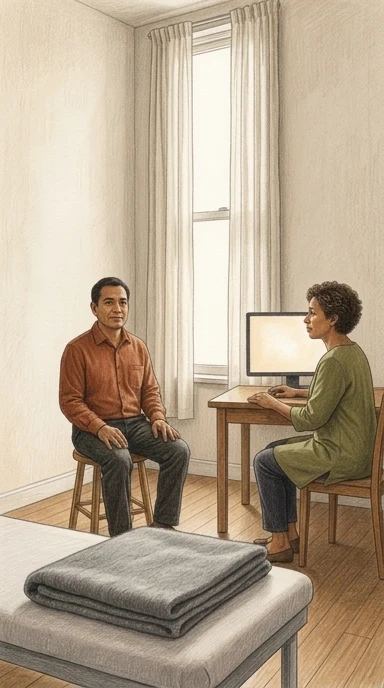
- A Chatbot Warning Changed What Students Said They'd Do free short + detailed In a test of 768 college students in China, messages about privacy and about the chatbot's limits shifted stated intentions — but nothing real was tested. A student types into a generative AI chatbot: stressed, not sleeping, not sure who to talk to. The chatbot answers right away. Before that first message, though, the screen may show something else — a note about what happens to what you type, or a note saying the chatbot cannot replace a counselor. Researchers at five different institutions in China, including hospitals and a middle school, wanted to know whether those two notes change how students judge the chatbot. They ran a randomized experiment with 768 college students. The students who saw the privacy note reported feeling more protected.Un mensaje breve antes de escribir: así cambian lo que usted decide gratis breve + detallada Un estudio con estudiantes en China sugiere que dos avisos visibles modifican lo que la gente dice que haría. No probó qué pasa después. Muchos estudiantes universitarios ya preguntan a los chatbots de inteligencia artificial por el estrés, el sueño o el malestar emocional. Son herramientas fáciles de alcanzar y que no juzgan. Pero plantean dudas: ¿qué pasa con lo que uno cuenta? ¿Hasta dónde puede llegar esa ayuda? Un grupo de investigadores chinos quiso saber si dos mensajes breves en la pantalla del chatbot cambian cómo la gente lo evalúa. Uno es la garantía de privacidad: una frase que explica cómo se manejan los datos. El otro es la advertencia de límites: una frase que aclara que el chatbot no sustituye a un profesional.
 Few European Countries Have Rules for Who Pays When Health AI Harms a Patient free short + detailed The WHO surveyed 50 countries on how they govern AI in health care. Most are still writing the rulebook — and none of it covers the Americas. If a hospital uses an AI tool and something goes wrong, who answers for it? The results describe governance that is still being built.Una encuesta de la OMS Europa halló que menos de 10% de 50 países tiene normas sobre quién responde por la IA en salud. gratis breve + detallada Una encuesta de la OMS Europa encontró que casi ningún gobierno tiene reglas sobre quién responde cuando una herramienta de IA daña a un paciente. Usted entrega su rostro, su voz, sus datos y su trabajo a herramientas de inteligencia artificial (IA).
 Doctors Are Using AI Nobody Approved — At Least in Sweden free short + detailed Survey of 357 Swedish physicians found unauthorized ChatGPT use for diagnoses, patient letters and research. It cannot say how common this is anywhere else, or what your own country allows. In Sweden, physicians answered a questionnaire about how they use artificial intelligence at work.Médicos suecos usan ChatGPT sin autorización para diagnósticos y cartas a pacientes gratis breve + detallada Un estudio describe para qué lo usan, pero no puede decir cuántos lo hacen ni qué permiten las leyes de otros países. Los médicos respondieron preguntas abiertas sobre cómo la inteligencia artificial había cambiado sus tareas. Reiniciaron el análisis para estudiar ese patrón.
 Clinicians Say AI Scribes Are Writing Notes Patients Can Read — And They Don't Trust the Result free short + detailed In a small analysis of online medical forums, doctors describe a gap between what a machine records and what they can vouch for. In the United States, patients can now open their medical notes and read what their doctor wrote about them.Un médico firma, una máquina escribe: quién responde por lo que dice su expediente gratis breve + detallada En foros de profesionales, los clínicos describen notas generadas por inteligencia artificial que suenan correctas pero contienen errores. Es un estudio de conversaciones, no de leyes: no dice qué exige su país. En Estados Unidos, los pacientes pueden leer las notas clínicas de sus visitas.
 Your Scan Trained the AI. A Study Says It Could Also Point Back to You. free short + detailed A research audit found that for a small number of patients, a model's answers were enough to reveal whether their data had been used to train it — even when the average result looked like a coin toss. People hand over medical images, heart tracings and health records every day.La IA médica puede delatar a algunos pacientes, no a todos gratis breve + detallada Un estudio con siete bases de datos clínicas muestra que ciertos pacientes son identificables casi con certeza, mientras el promedio oculta ese riesgo. Muchas veces usted no sabe que eso ocurre ni para qué se usan después. También aparecieron diferencias entre grupos.

Todas las notas de todas las secciones, breves y detalladas, la edición completa por correo cada semana y todas las ediciones pasadas: $9.95 al mes, sólo mensual, cancele cuando quiera.
Vea lo que recibe¿Ya está suscrito? Entre aquí.
Every story of every section, short and detailed, the whole edition by email every week, and every past edition: $9.95 a month, monthly only, cancel whenever you like.
See what you getAlready a subscriber? Sign in.