At the foot of a licence there is a line that waits for a name, and this week the cameras looked elsewhere. Nvidia's chief resigned after an affair with a woman American intelligence calls a spy, and the press followed the man through six and nine newsrooms. The decision that mattered was already made by a signature in the Commerce Department, on which chips reach China. The same week a chatbot was given a wallet, and two newsrooms noticed. Three experiments in this edition show that a program's tone and its job change what people give and keep: a warm legal helper drew out private details the case never needed.
The whole piece is for subscribers, whose subscriptions are what keeps this page free of anyone who sells these systems or advertising: $9.95 a month, cancel whenever you like; or six months or a year paid once, and it comes with the other stories of every section and their detailed versions.
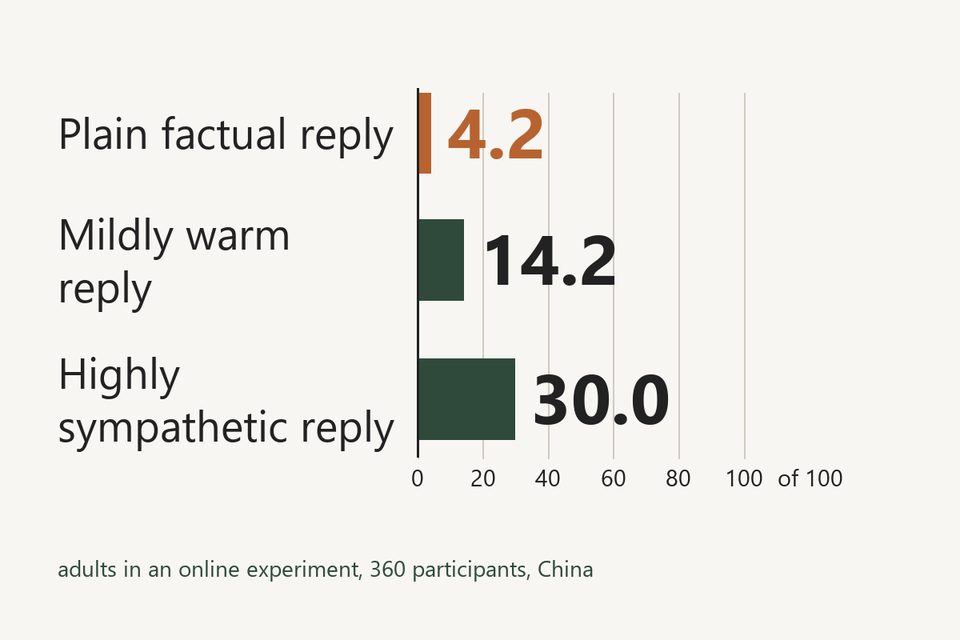
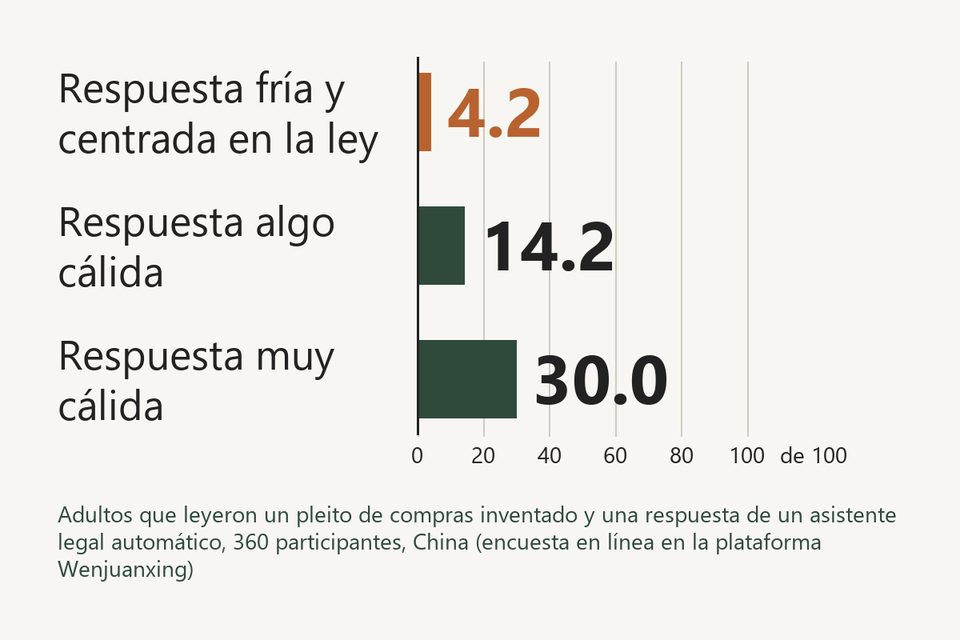
In an online experiment with 360 adults and a made-up consumer dispute, warmer replies led to more personal details, while the facts the case needed stayed the same.
Young people in Australia said they wanted mental health chatbots that explain themselves and stay in their lane. The study asked 32 young people what they want; it did not test whether the tools help or harm.
A review of 117 apps and websites reachable in Canada found promises of privacy, expertise and quick relief that their own sign-up pages did not back up.
A short chat with a warm chatbot made people feel better either way; only one style left them feeling surer of coping alone, and the study cannot say how long that lasts.
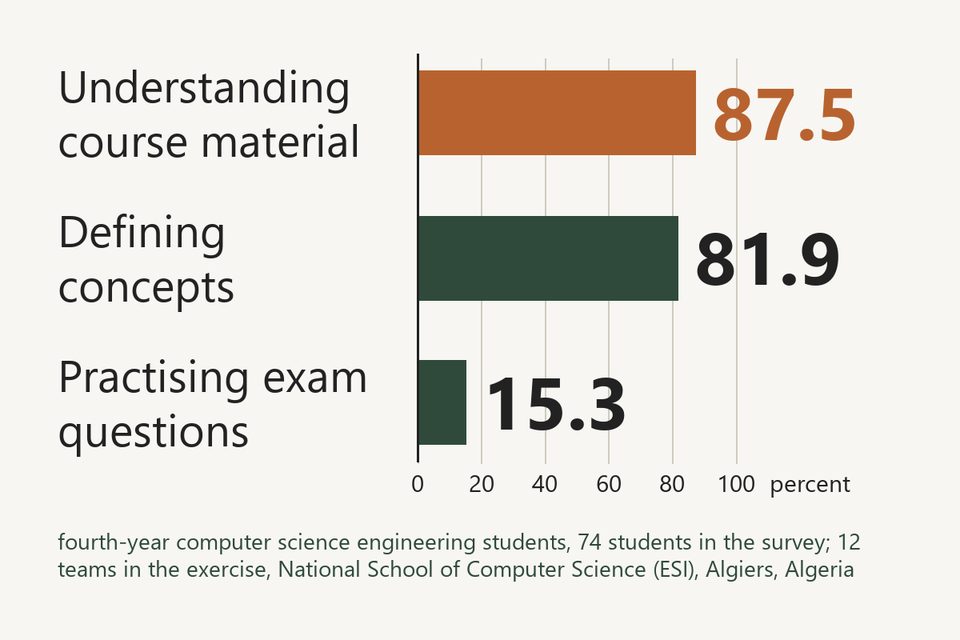
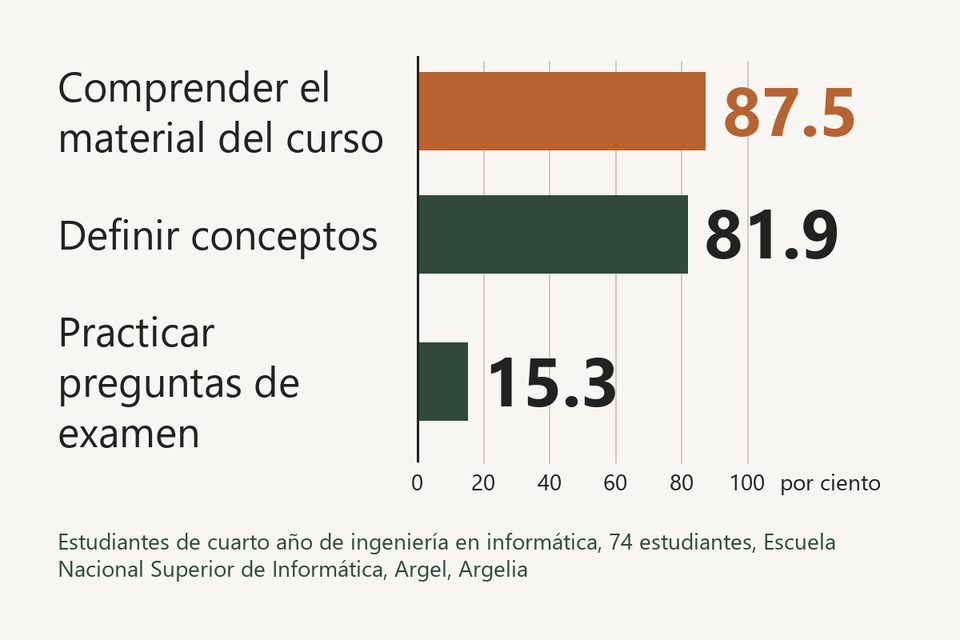
In a survey of 74 fourth-year engineering students, 94.44% reported using ChatGPT or Gemini for their studies; the study cannot say whether that helps them learn.
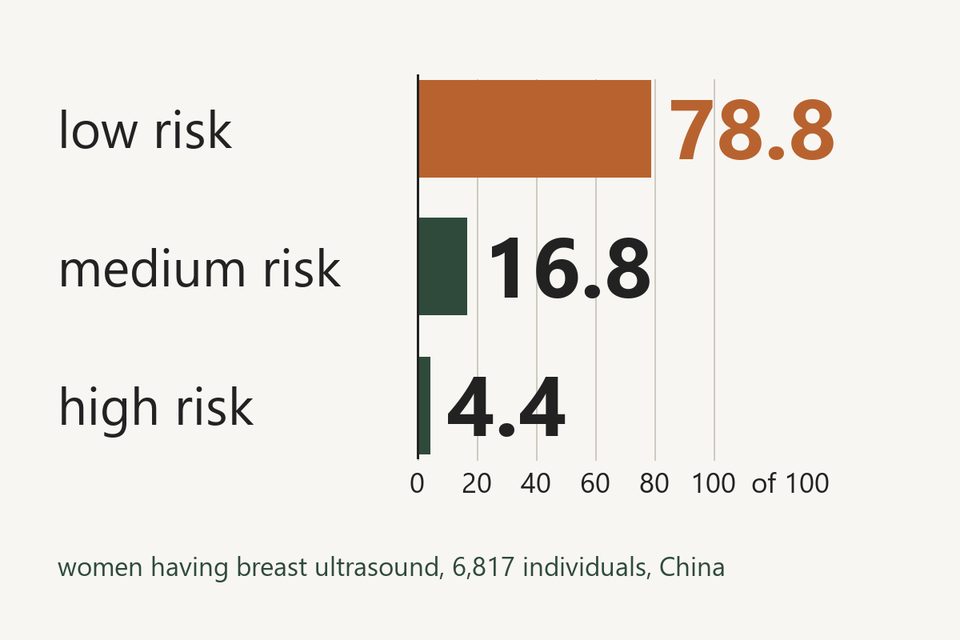
A privacy audit of seven clinical datasets found near-perfect attack success for a few patients, mostly from underrepresented groups, while average scores looked like random guessing.
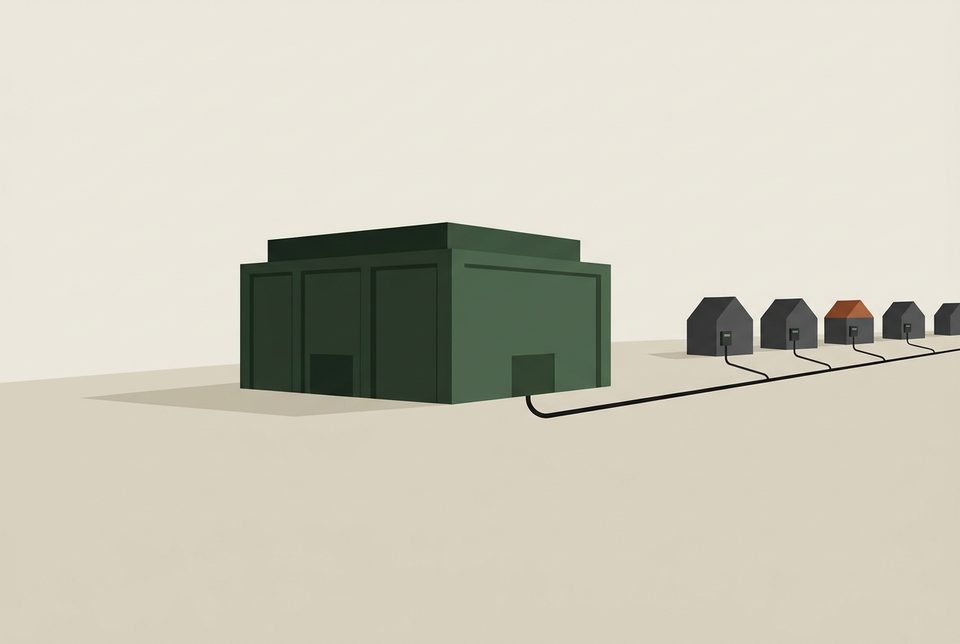
Across 254 counties from 2000 to 2024, new data centres added almost nothing to local job growth; the study did not measure power bills, water or land.
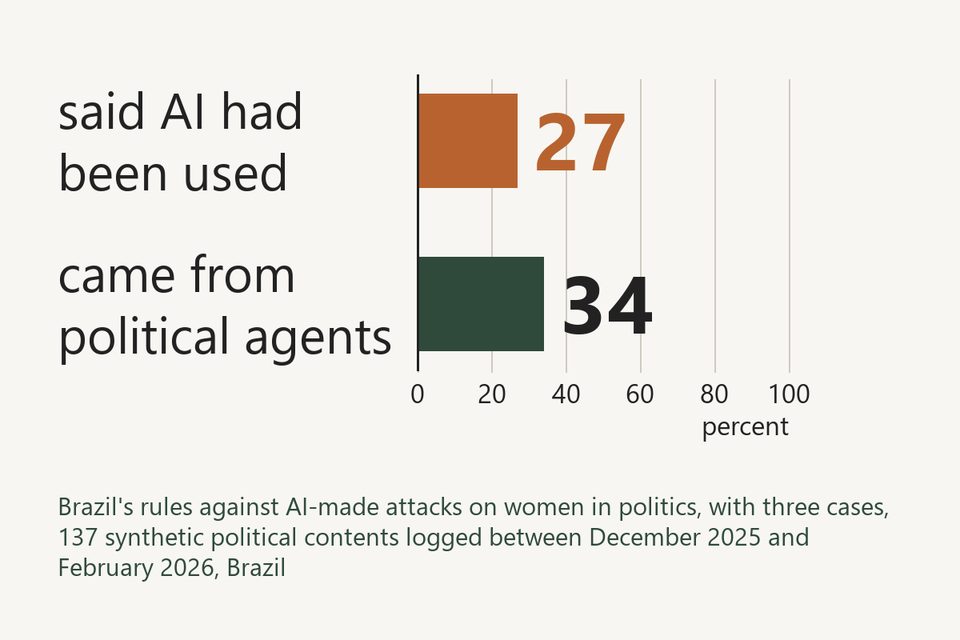
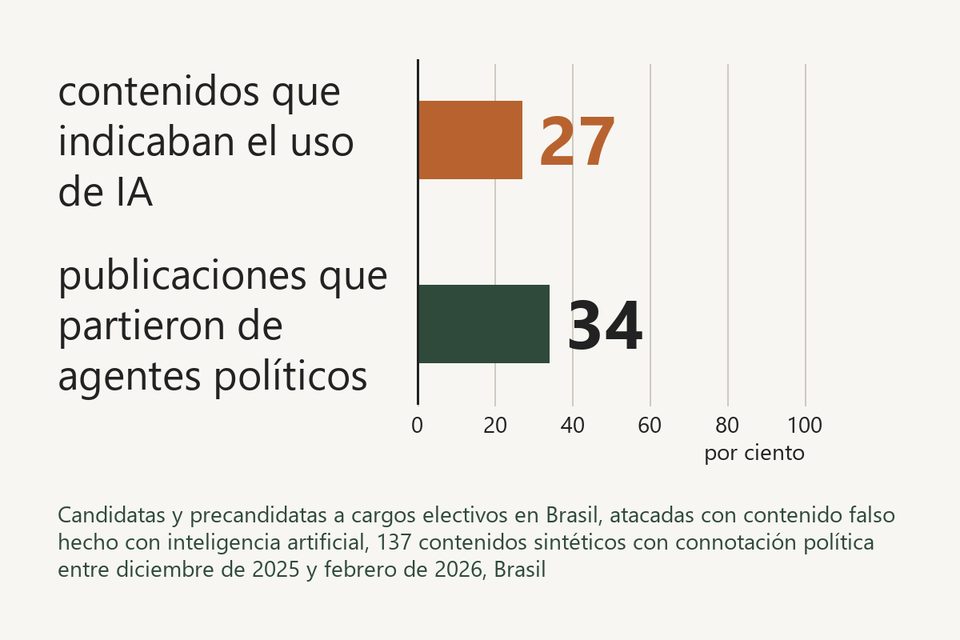
In a qualitative legal analysis published 27 October 2026, two researchers at the University of the State of Amazonas reviewed Brazil's rules against AI-made attacks on women in politics, using three cases from São Paulo (2024), Rio Grande do Sul (2026) and Amazonas (2022).
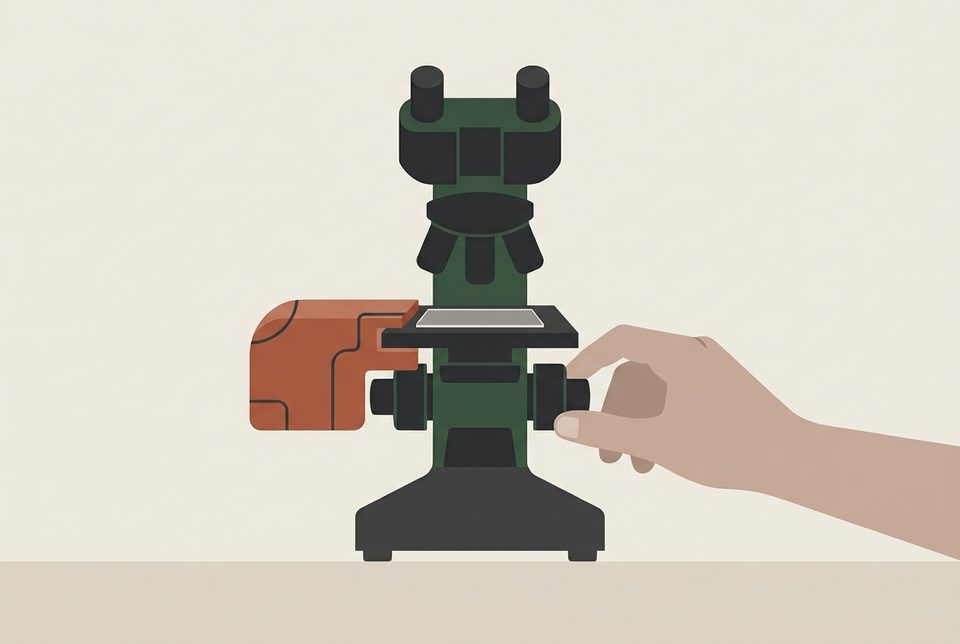
On 165 glass slides from two US hospitals, an add-on called ALLocate named the right answer 88 times in 100. It cannot focus itself, and a specialist still checks its work.
One email a week: the free story of every section, with its picture, and the headlines of the rest.
No payment, nothing to cancel. Unsubscribe from any issue.
Observatorio de la Inteligencia Artificial
Cada semana, qué cambió y qué significa para usted. Sin prisa y sin alarma.
Semana del 13 de noviembre de 2026 | Ediciones anteriores15,811 estudios encontrados · 14,944 leídos · 4,785 correspondían · 46 notas pasaron todas las comprobaciones
En una ventanilla de trámites, un sello de goma decide si un asunto pasa o se queda, y nadie le toma foto. Esta semana las cámaras siguieron al director de Nvidia, que renunció tras una relación con una mujer a quien la inteligencia de Estados Unidos señala como espía china. La decisión que importaba estaba tomada con una firma en el Departamento de Comercio: qué chips llegan a China. Esa semana un chatbot recibió una cartera para gastar, y casi nadie lo contó. Tres experimentos de esta edición muestran que el tono de un programa y su tarea cambian lo que la gente entrega y lo que conserva.
La pieza completa es para quienes se suscriben, y sus suscripciones son lo que mantiene esta página libre de quien vende estos sistemas y de publicidad: 199 MXN al mes, cancele cuando quiera; o seis meses o un año en un único pago, y viene con las demás notas de cada sección y sus versiones detalladas.
En una encuesta con 360 adultos y un pleito de compras inventado, las respuestas más cálidas hicieron que la gente ofreciera más datos personales; el estudio no dice qué pasaría en una consulta real.
En talleres en línea, jóvenes de 18 a 30 años dijeron qué querrían de estas herramientas. El estudio no midió si ayudan, y nadie menor de 18 participó.
En un experimento con 380 adultos en China, dos formas cálidas de responder redujeron la angustia por igual; solo una dejó a la gente con más confianza para manejar solos la emoción.
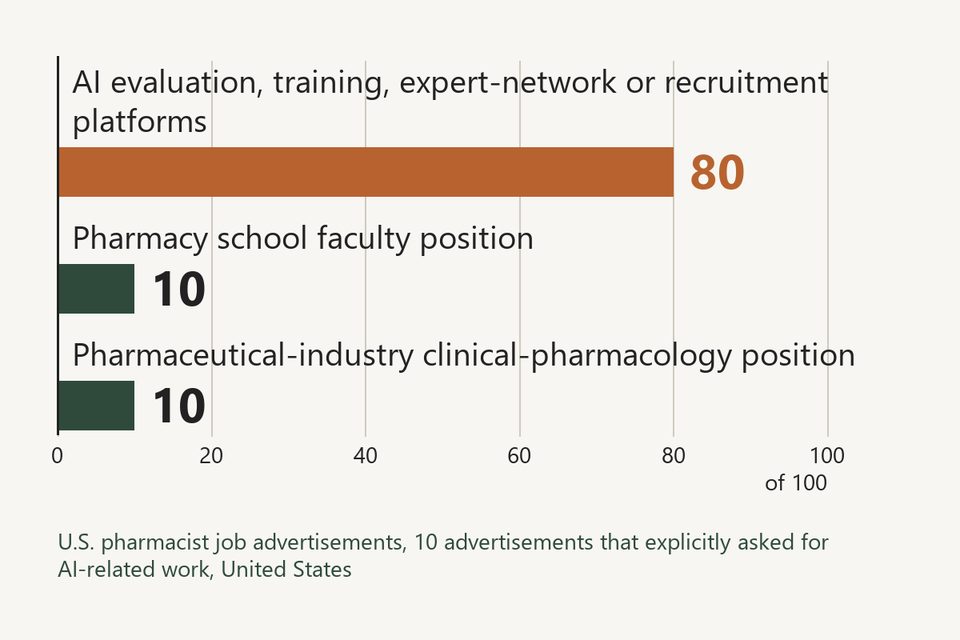
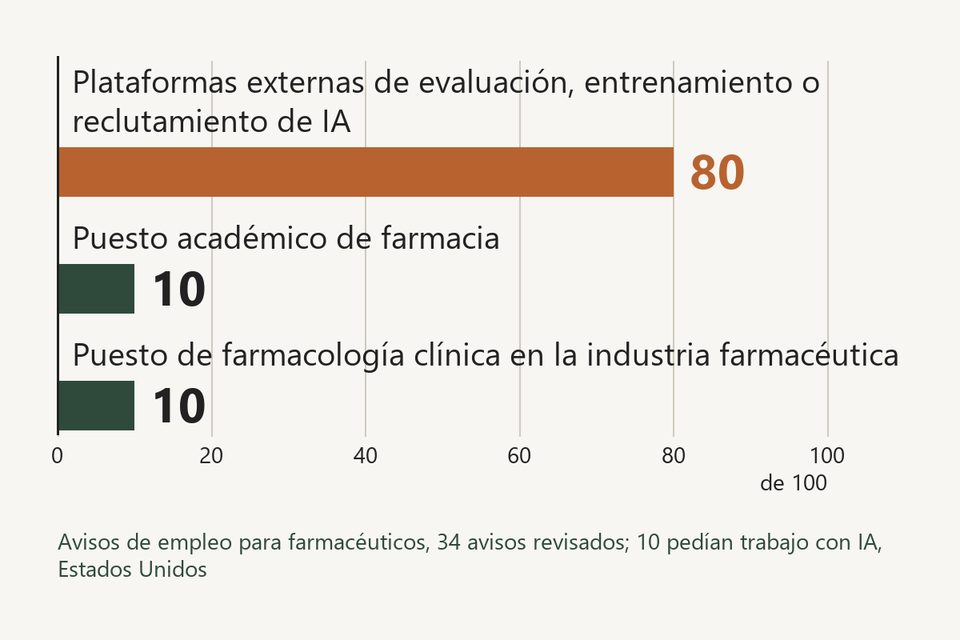
Un investigador revisó 34 vacantes publicadas en Estados Unidos entre 2023 y 2026. Diez pedían trabajo con IA, varias por contrato, y las cifras no dicen qué tan común es esto.
El curso de ocho semanas en Seúl fue voluntario y sin grupo de comparación; quienes llegaron ya simpatizaban con la IA, y la capacidad para aplicarla al trabajo quedó por debajo de la mitad de la escala.
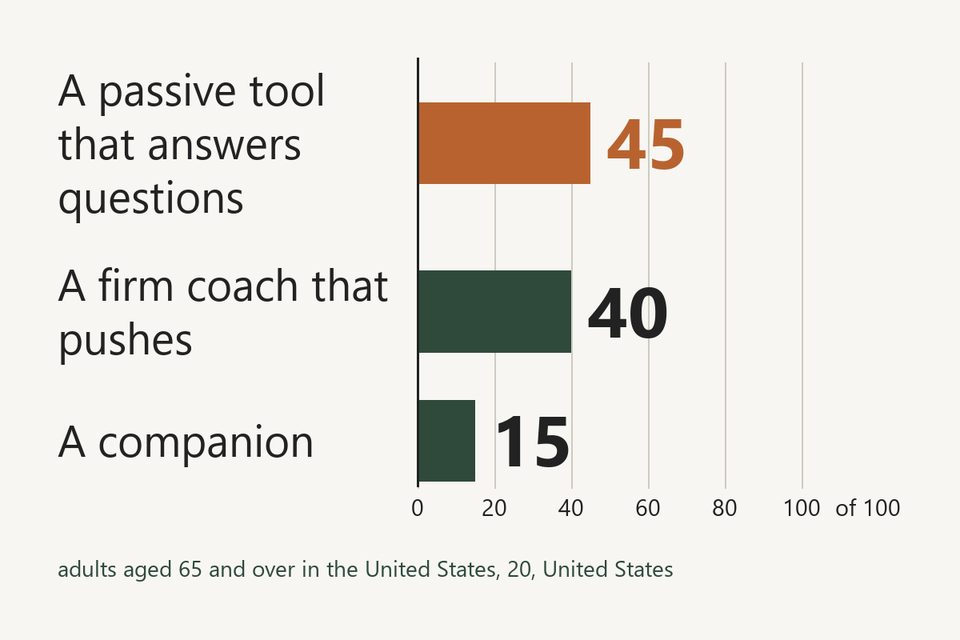
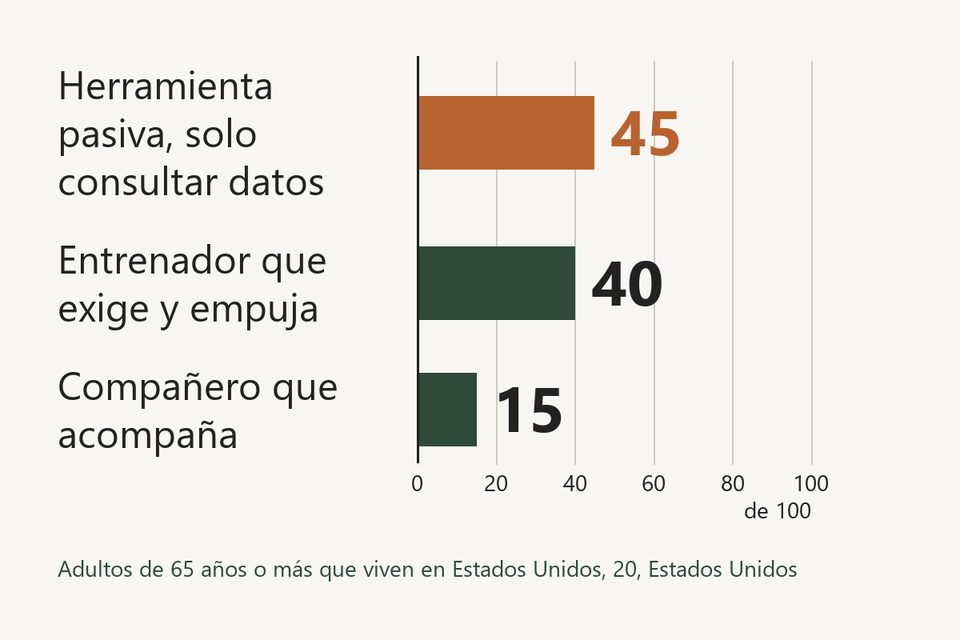
En entrevistas con 20 personas de 65 años o más en Estados Unidos, 14 dijeron que estarían dispuestas a usar un asistente de inteligencia artificial en una app de actividad física.
En una prueba piloto en España, diez adultos mayores conversaron media hora con un programa de voz; dijeron sentirse acompañados, aunque el estudio no muestra si eso dura ni si llega a quien vive más solo.
Un experimento con 70 estudiantes de posgrado evaluó revisiones de textos argumentativos y halló que los apuntes de los profesores lograron avances similares a los de la máquina.
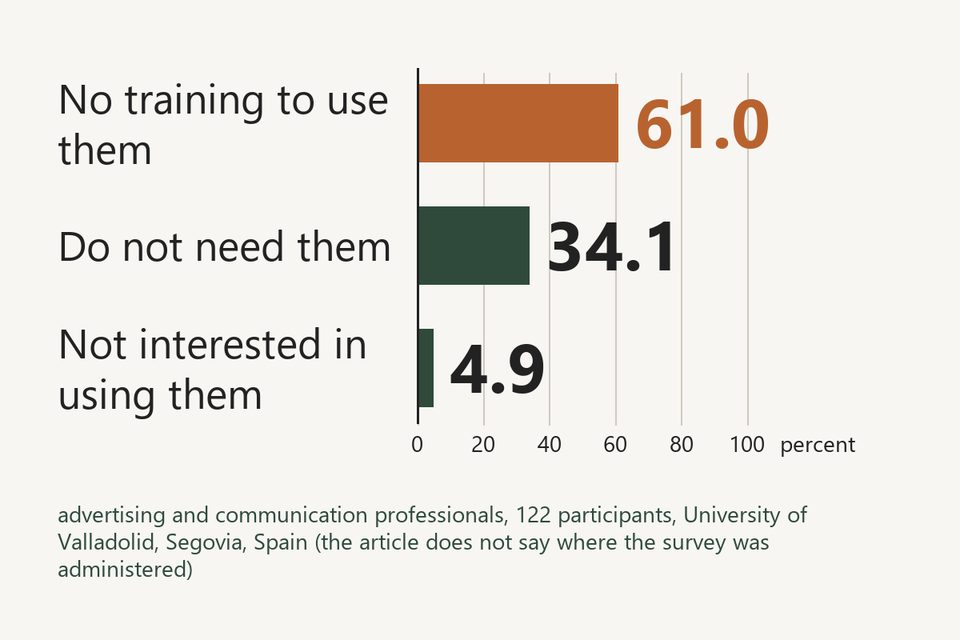
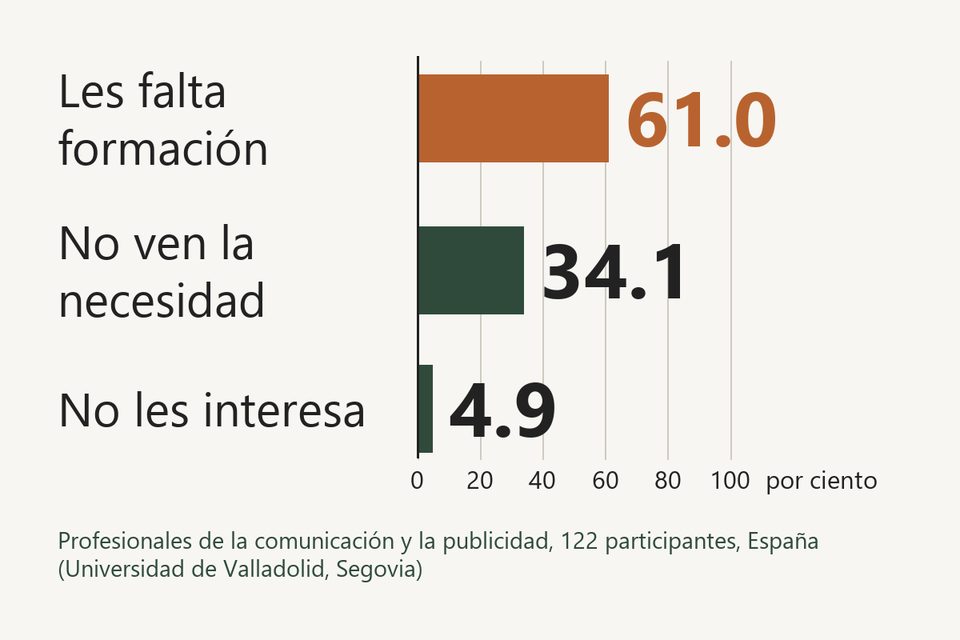
Una encuesta a 122 profesionales de la publicidad encontró que quienes ya usan estas herramientas reportan más apoyo de su empresa, más acceso y más tiempo.
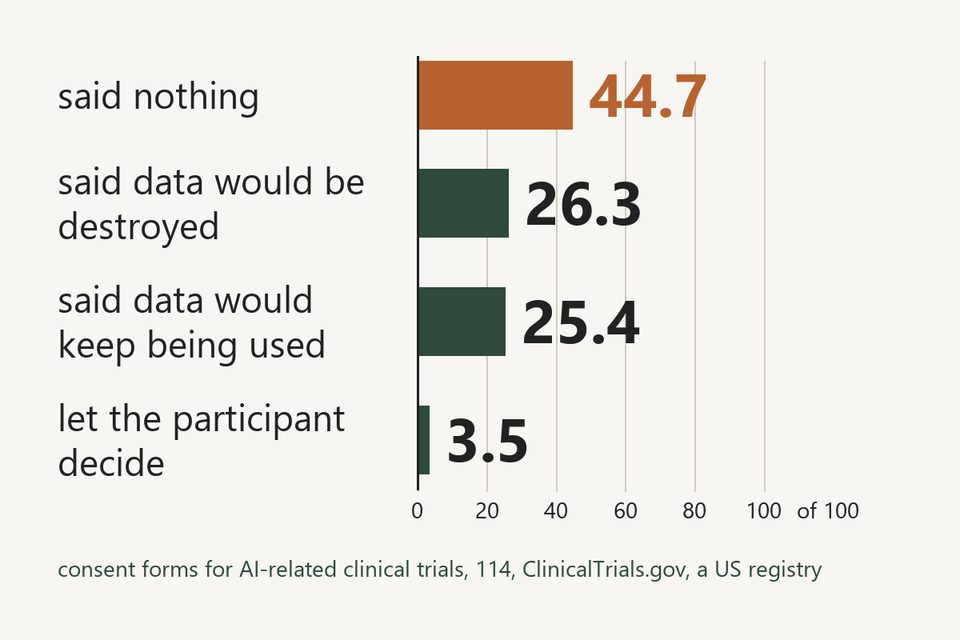
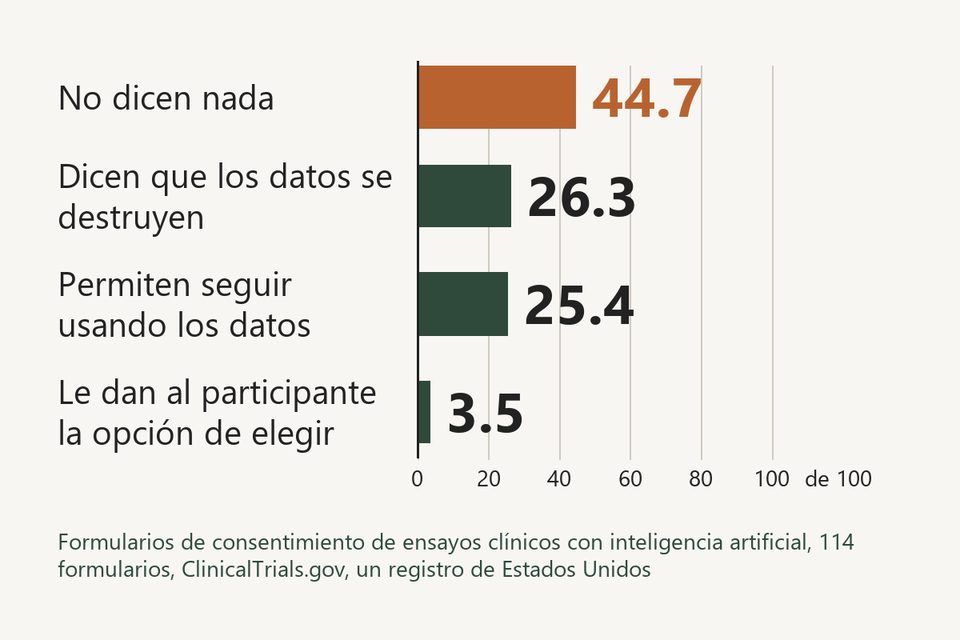
Un análisis de 114 formularios publicados en un registro de Estados Unidos halló que muchos omiten el tipo de IA y los riesgos; cubre solo documentos públicos y no prueba que se haya violado ninguna ley.
Un estudio con siete bases de datos clínicas encontró que el ataque funcionó casi perfecto en algunos pacientes y fue inútil en la mayoría; no probó que ningún hospital haya filtrado datos.
Un análisis legal de la Unión Europea encontró que solo un tercio de estos edificios reportó sus datos, y que el costo de las nuevas líneas eléctricas recae en la mayoría de los países sobre todos los usuarios de la factura.
Un artículo revisó las reglas electorales de Brasil contra la violencia digital de género con inteligencia artificial, a partir de tres casos: fotos falsas de desnudos de las candidatas a la alcaldía de São Paulo en 2024, videos sobre Manuela d'Ávila en la precampaña de 2026 y ataques a Vanda Witoto en Amazonas en 2022. El estudio es un análisis legal, no una medición de cuánta gente vio o creyó esos contenidos.
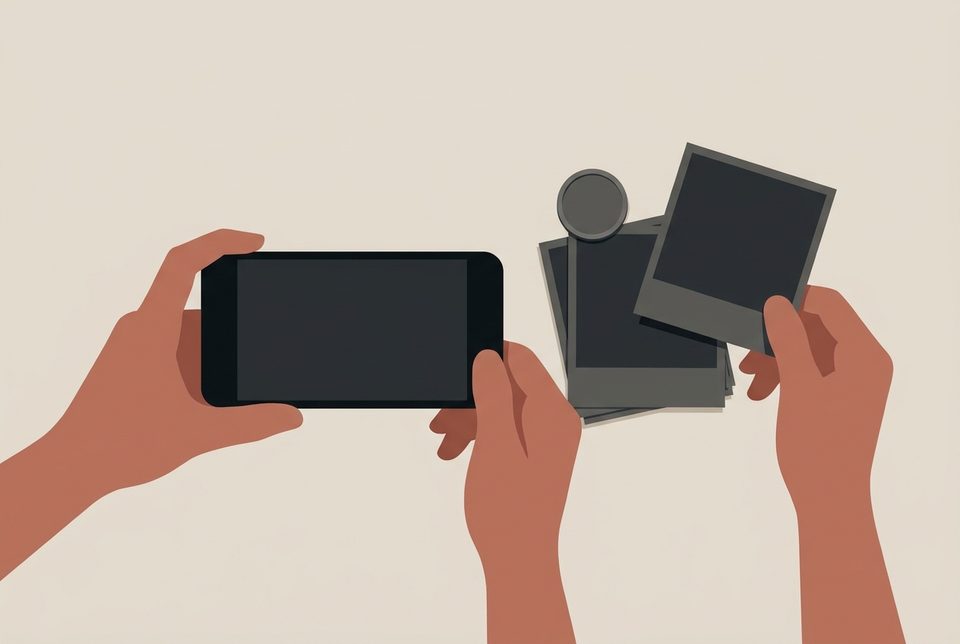
En Dinamarca, 2,091 adultos vieron siete fotos cada uno, tomadas al azar de un grupo de 52, y trataron de decir cuáles eran hechas con inteligencia artificial y cuáles eran reales.
Un estudio de dos hospitales de Estados Unidos lo comparó con patólogos: acertó el 88% de las láminas, pero solo distingue leucemia mieloide aguda de médula normal y no enfoca por sí solo.
 Diego Bonilla, Ph.D. · About the author