Weekly AI Watch
Every week, what changed and what it means for you. No hurry, no alarm.
Observatorio de la
Inteligencia Artificial
Cada semana, qué cambió y qué significa para usted. Sin prisa y sin alarma.
weeklyAI · Week of 13 November 2026weeklyAI · Semana del 13 de noviembre de 2026
Your childSus hijos
for parents and everyone raising someone who is not yet an adultpara madres, padres y quien cría a alguien que todavía no es adulto
Ask the weeklyAI chat
Ask me about AI in your life: I point you to the stories weeklyAI has published on it, this week and before.
Conversations are saved for as long as weeklyAI exists, to improve the publication. Answers come in the language you write in.
Pregunte al chat de weeklyAI
Pregúnteme sobre la IA en su vida: le señalo las notas que weeklyAI ha publicado sobre el tema, esta semana y antes.
Las conversaciones se guardan mientras exista weeklyAI, para mejorar la publicación. Se responde en el idioma en que usted escribe.
- A Chatbot Beside the Therapist's Chair free short + detailed Young people in Australia said they wanted mental health chatbots that explain themselves and stay in their lane. The study asked 32 young people what they want; it did not test whether the tools help or harm. "It can't outright replace actual psychologists and psychiatrists, because the human connection is still important at the end of the day," one young person said in the workshops."No puede reemplazar a los psicólogos": lo que 32 jóvenes australianos pidieron a los chatbots de salud mental gratis breve + detallada En talleres en línea, jóvenes de 18 a 30 años dijeron qué querrían de estas herramientas. El estudio no midió si ayudan, y nadie menor de 18 participó. "It can't outright replace actual psychologists and psychiatrists, because the human connection is still important at the end of the day. Lo dijo una joven en uno de los talleres. Traducido: un chatbot no puede reemplazar del todo a los psicólogos y psiquiatras, porque la conexión humana sigue importando.
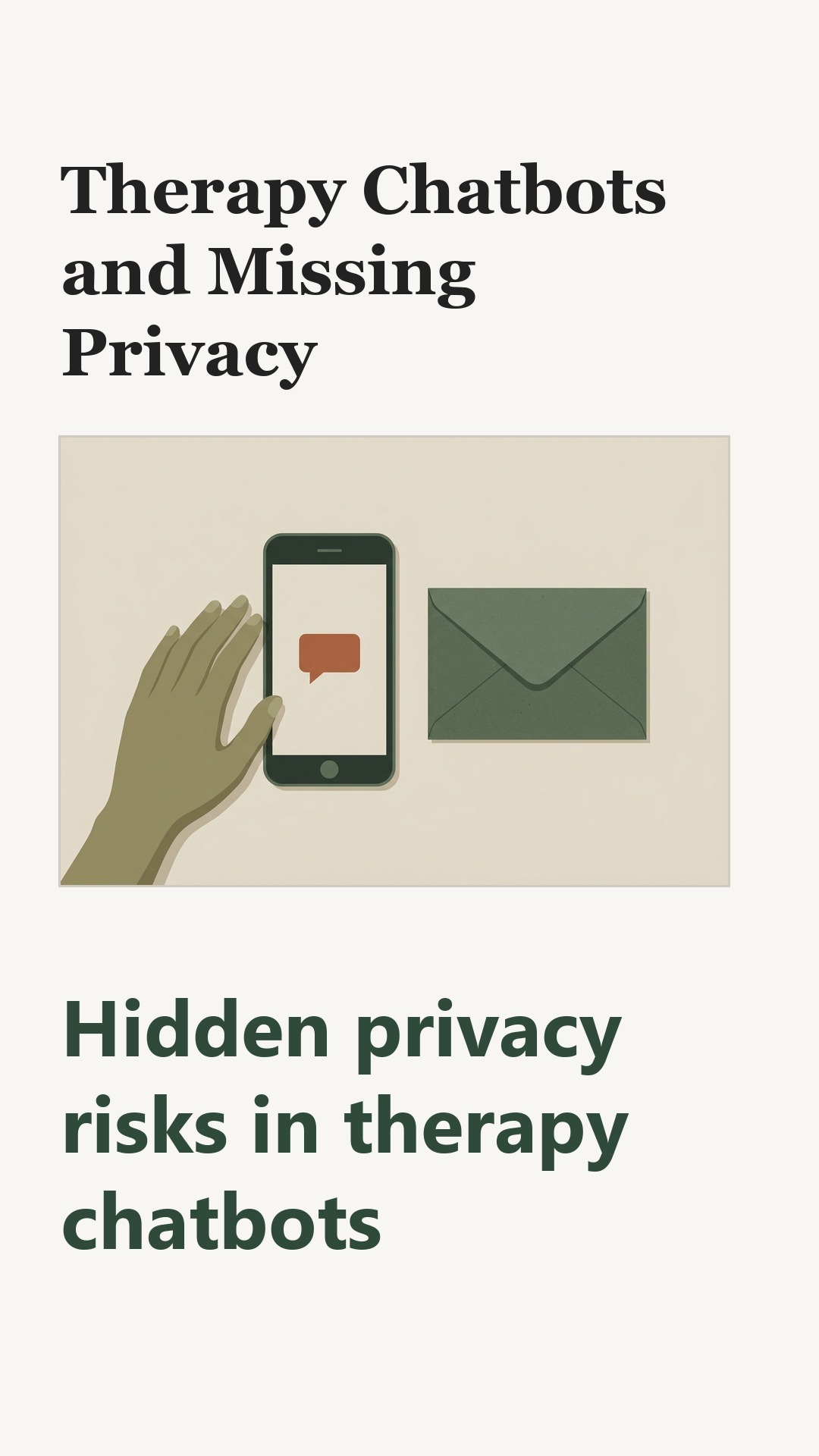
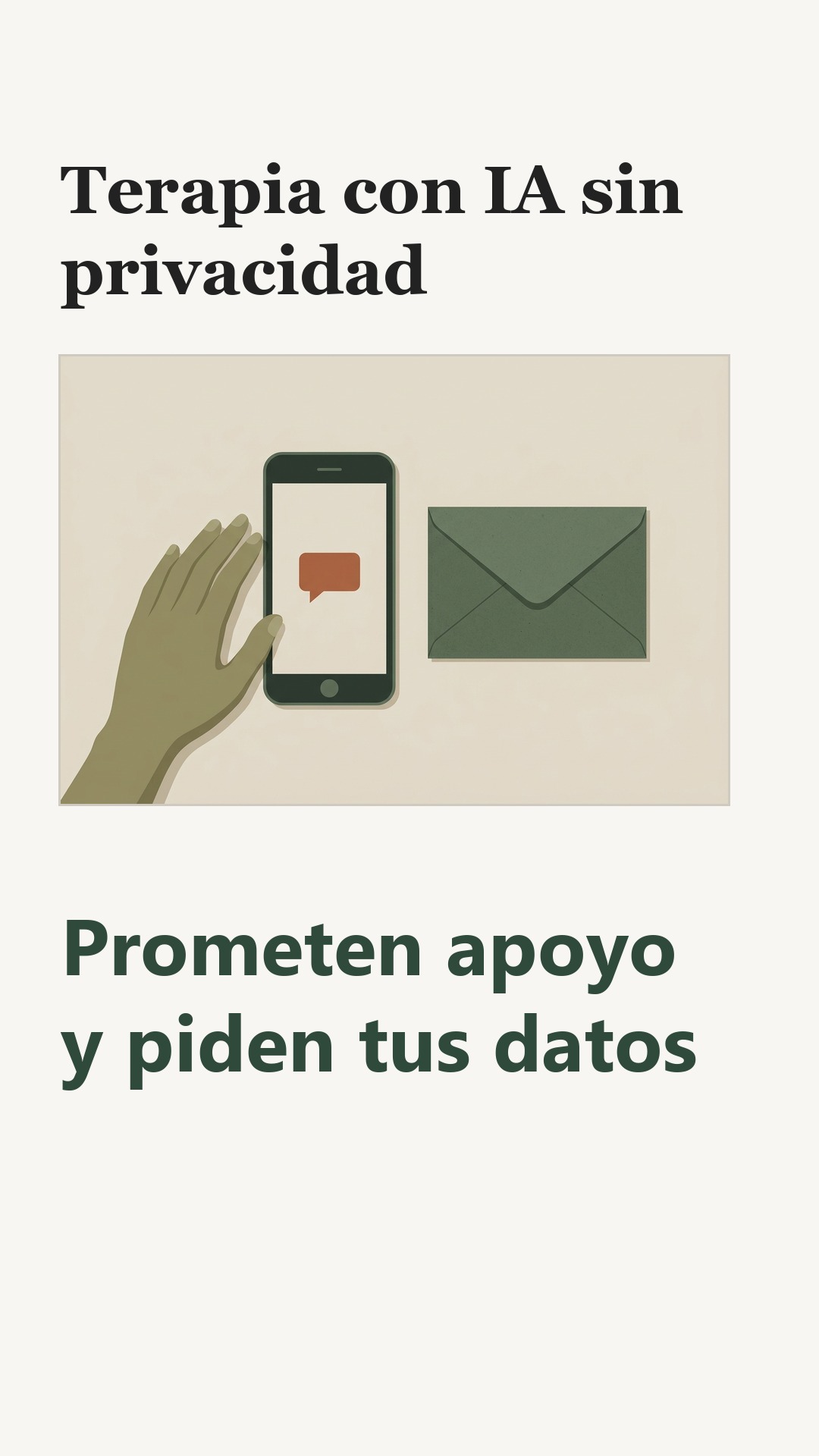
- Six in Ten Therapy Chatbots Had No Privacy Policy at All subscribe short + detailed A review of 117 apps and websites reachable in Canada found promises of privacy, expertise and quick relief that their own sign-up pages did not back up. The authors read the claims, not what happened to young users. Picture the promise a teenager sees on the screen: talk to me anytime, tell me anything, no one else will know.Seis de cada diez apps de terapia con IA no tienen política de privacidad suscríbase breve + detallada Un grupo de la Universidad de British Columbia revisó 117 aplicaciones y sitios que prometen apoyo emocional. Leyó lo que dicen de sí mismos: no siguió a ningún joven que las usara. Muchas aplicaciones de terapia con inteligencia artificial prometen anonimato completo. Para entrar, piden crear una cuenta y dar datos personales.
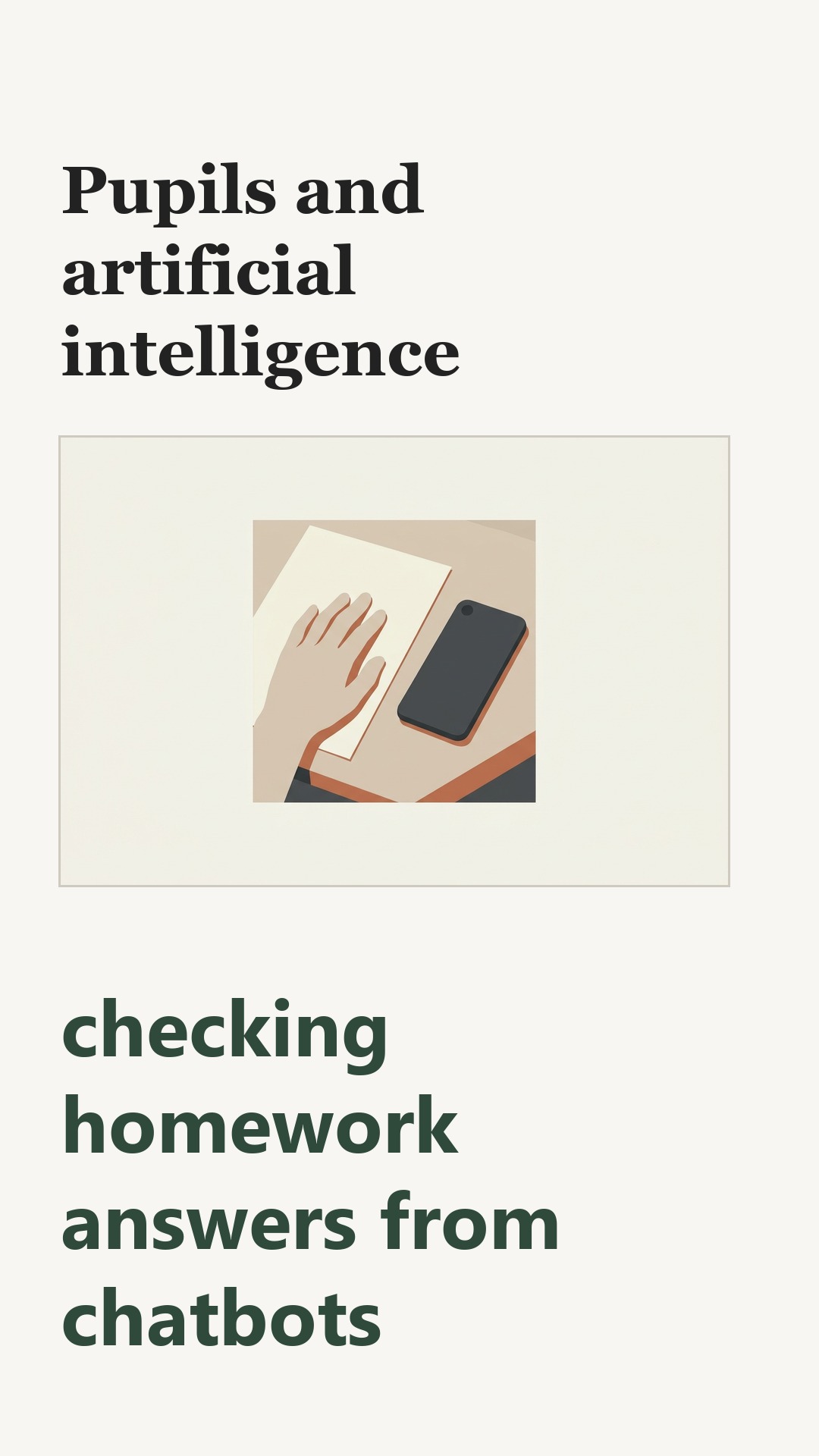
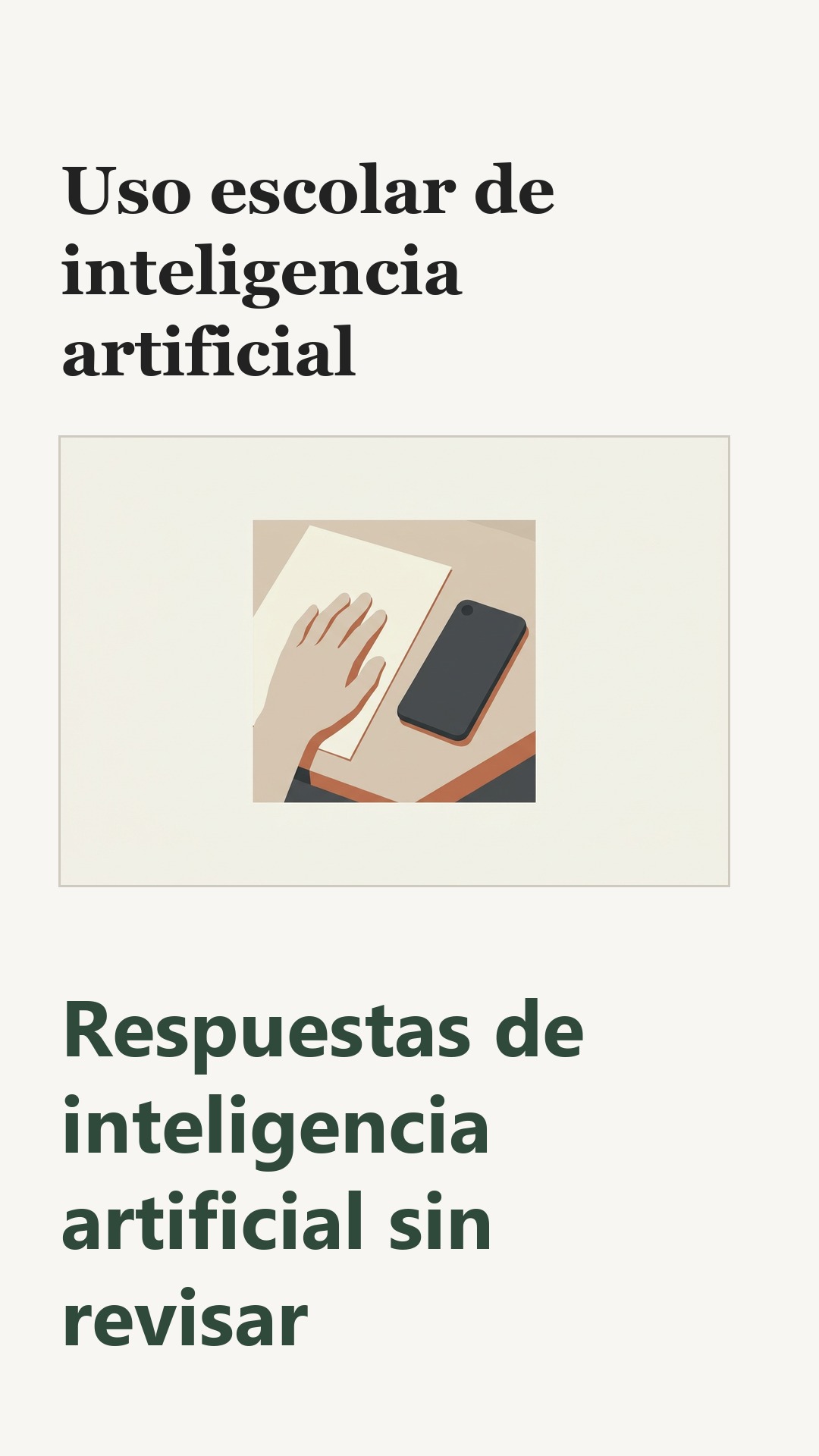
- Three-Quarters of These Pupils Use AI. Few of Them Check What It Says. subscribe short + detailed In a survey of 1,443 pupils at three schools in Bradford, England, most used generative AI for schoolwork, and nearly half never checked its answers. The numbers describe those schools, not your child's. In three secondary schools in Bradford, England, researchers asked 1,443 pupils in Years 8 to 10, aged 12 to 15, about how they use generative AI. That means programs that write text, answer questions and make images when you ask them to. The pupils filled in a survey during the 2024/25 school year.Casi tres de cada cuatro alumnos de tres escuelas de Inglaterra dijeron usar IA, sobre todo para la tarea suscríbase breve + detallada En una encuesta a 1,443 estudiantes de 12 a 15 años, el 39% dijo no confiar nada en las respuestas de la IA y casi la mitad dijo que nunca las revisa. El estudio solo describe lo que contestaron esos alumnos de tres escuelas de una ciudad. Un salón de secundaria en Bradford, Inglaterra, en el ciclo escolar 2024/25. Ahí, 1,443 alumnos de entre 12 y 15 años contestaron un cuestionario sobre inteligencia artificial generativa, la que escribe textos e imágenes cuando se le pide. Eran estudiantes de tres escuelas de la ciudad.
- "It Feels Like My Little Online Therapist": What 21 Teens Said About ChatGPT and Self-Injury subscribe short + detailed In interviews, teenagers who hurt themselves described using AI, apps and online communities to cope. The study recorded what they said, and it cannot show whether any of it helps or harms. "I message ChatGPT… it feels like it's my little online therapist, and that helps.""Le escribo a ChatGPT… siento que es mi terapeuta en línea" suscríbase breve + detallada Un estudio entrevistó a 21 adolescentes de Estados Unidos que se lastiman a propósito. Contaron lo que buscan en las apps y en la IA, y también lo que les falla. No se midió si esas herramientas ayudan o dañan. Uno de ellos lo dijo sin rodeos: "Le escribo a ChatGPT… siento que es mi terapeuta en línea, y eso me ayuda". Detrás de esa frase hay 21 jóvenes de entre 14 y 18 años que se habían lastimado a propósito al menos dos días en el mes anterior. Investigadores de la Universidad Northwestern y de otras instituciones los entrevistaron entre mayo de 2024 y abril de 2025. Todos vivían en Estados Unidos y llegaron al estudio por el sitio web de una organización nacional de salud mental.
- The Parents Who Decide What the Smart Speaker Is Allowed to Do subscribe short + detailed A study of 16 parents in nine Chinese cities found a pattern: what they believed about AI shaped what they let it do. The study did not follow the children, so it cannot say whether any of it helped. There is a smart speaker on the kitchen counter, a literacy app on the tablet, and one adult deciding what each one is for. In interviews, 16 parents of nursery and kindergarten children described how they make those decisions.Los padres que crían con IA ponen sus propias reglas; el estudio no dice si funcionan suscríbase breve + detallada Dieciséis padres de China contaron cómo deciden qué IA entra a la casa. El estudio no midió si los niños aprendieron más, ni si la IA acertaba lo que decía. En muchas casas ya hay un altavoz inteligente que contesta las preguntas de un niño de cuatro años, o una aplicación que le enseña letras con juegos. Alguien tiene que decidir para qué está ahí y cuánto tiempo puede quedarse. Un estudio reciente describe cómo lo hacen unos padres en China.
Todas las notas de todas las secciones, breves y detalladas, la edición completa por correo cada semana y todas las ediciones pasadas: 199 MXN al mes, cancele cuando quiera; o seis meses o un año en un único pago.
Vea lo que recibe¿Ya está suscrito? Entre aquí.
Every story of every section, short and detailed, the whole edition by email every week, and every past edition: $9.95 a month, cancel whenever you like; or six months or a year paid once.
See what you getAlready a subscriber? Sign in.