weeklyAI
Week of 20 September 2026Semana del 20 de septiembre de 2026 · Past editions →Ediciones anteriores →
Six indexes were asked, in four languages, for the peer-reviewed open papers of the last 60 days: 11,047 were found for 8 sections. 8,604 passed the journal rule and were read against that section's own reader; 3,491 belonged there. 38 became stories that passed every check. Every figure is counted from this week's own files as this page is built.Se preguntó a seis índices, en cuatro idiomas, por los estudios abiertos y revisados por pares de los últimos 60 días: se encontraron 11,047 para 8 secciones. 8,604 pasaron la regla de revistas y se leyeron frente al lector de esa sección; 3,491 correspondían. 38 llegaron a ser notas que pasaron todas las comprobaciones. Cada cifra se cuenta de los archivos de esta misma semana al construir esta página.
Every week the new research on AI is read here, and this page tells you what was found, how far it can be trusted, and what you can do with it. This page is free, and every line on it says what was found.Cada semana se lee aquí la nueva investigación sobre inteligencia artificial y esta página le dice qué se encontró, hasta dónde se puede confiar en ello y qué puede hacer usted con eso. Esta página es gratis, y cada línea dice lo que se encontró.
The studies are read by a machine built and ruled by a professor of communication at Sacramento State and UNAM. Who makes this →Los estudios los lee una máquina construida y gobernada por un profesor de comunicación de Sacramento State y de la UNAM. Quién hace esto →
SectionSección
Your childSus hijos
for parents and everyone raising someone who is not yet an adultpara madres, padres y quien cría a alguien que todavía no es adulto
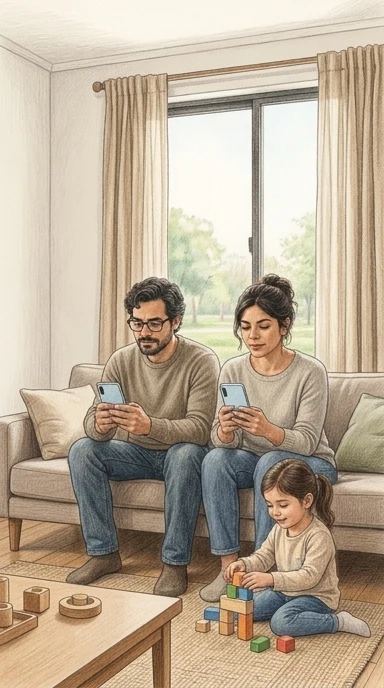
- Parents Who Hand a Phone to a Crying Child May Be More Hooked on Their Own free short + detailed A one-time survey of parents in Türkiye links heavier phone habits with children who use phones longer and react strongly when devices are taken away. It cannot prove which came first. In one eastern Turkish city, researchers asked 1,543 parents of children aged 3 to 6 about their phones — and about their children's. The parents answered questions about their own smartphone habits, how much time they spend on social media, which artificial intelligence tools they know, and how they use digital tools for childcare tasks like feeding, diaper changes, burping and bathing. They also reported when their children first watched a phone, how long children use phones now, and what happens when a phone is taken away.Los padres que usan más el celular también crían niños más conectados al celular gratis breve + detallada Un estudio en Turquía encontró que los padres que usan herramientas de inteligencia artificial o dejan que sus bebés vean el celular en los primeros meses tienen puntajes más altos de adicción al teléfono. En una ciudad del este de Turquía, 1,543 padres de niños de 3 a 6 años respondieron preguntas sobre su propio uso del celular y sobre los hábitos tecnológicos de sus hijos. La mayoría eran madres de entre 30 y 39 años, y casi la mitad tenía estudios universitarios. Se trata de un estudio descriptivo realizado por investigadores de una universidad turca. Quienes usaban herramientas como ChatGPT o Google Bard/Gemini tenían puntajes más altos de adicción al teléfono. Solo muestra que ambas cosas aparecen juntas.
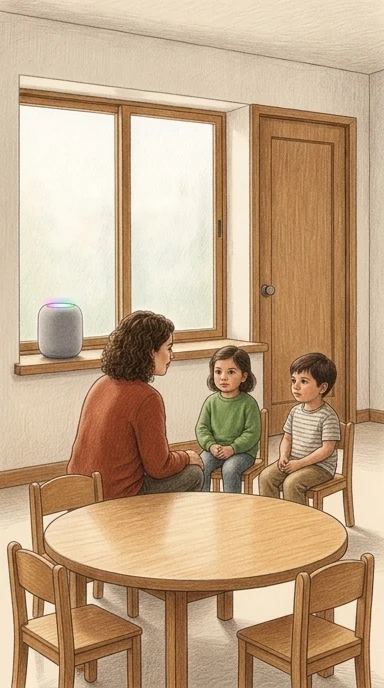
- Your Child May Trust the Smart Speaker's Science Answer More Than a Teacher or Another Child subscribe short + detailed In a study, 4- to 6-year-olds preferred asking a voice assistant over a teacher or another child—and trusted it even when its explanation was weak. The setup wasn't even. More than 4 in 10 American children now have a smart speaker at home. By age two, 4 in 10 children have their own tablet. Children ask these devices about science—one study of families found science and technology made up about a quarter of the questions children posed to a smart speaker. Researchers wanted to know whom children choose when they have a science question. They ran two experiments over Zoom with 310 children aged 4 to 6. In the first, each child chose between a digital voice assistant and "a child like you.Prefieren preguntarle a Alexa antes que a su maestra suscríbase breve + detallada Niños de 4 a 6 años confiaron más en el altavoz inteligente que en un compañero, en un experimento, y que en una maestra, en otro, aunque la comparación no fue pareja. Cuarenta y uno por ciento de los niños estadounidenses tiene un altavoz inteligente en casa, según el informe de Common Sense Media. Y los niños de 4 a 6 años ya les hacen preguntas de ciencias: por qué llueve, cómo respiran los peces bajo el agua, cómo vuelan los aviones. Para entender qué hacen con esas respuestas, investigadores de la Universidad de Fairfield y del Davidson College reunieron a 310 niños de 4 a 6 años en dos experimentos por Zoom. En el primero, cada niño elegía entre preguntarle a un asistente de voz —Alexa, Siri o Google Home— o a "un niño como tú".
 Teens Already Know About AI Boyfriends and Fake Nudes. Here's What They Told Researchers. subscribe short + detailed A small study of 33 Spanish teenagers found they treat location-sharing as normal care and deepfakes as the worst harm—but it can't say how common any of this is. Ask a group of 16- to 18-year-olds about "virtual girlfriends" and they won't be confused.Los adolescentes ya conocen los novios virtuales y los deepfakes. También creen que compartir la ubicación en tiempo real es una muestra de cariño. suscríbase breve + detallada Un estudio pequeño y exploratorio con 33 jóvenes en España describe lo que ellos mismos dicen sobre la IA en sus relaciones. No mide cuántos lo hacen ni qué daño les causa. Adolescentes de 16 a 18 años en España hablan de los chatbots románticos como algo que existe en su mundo, no como una rareza.
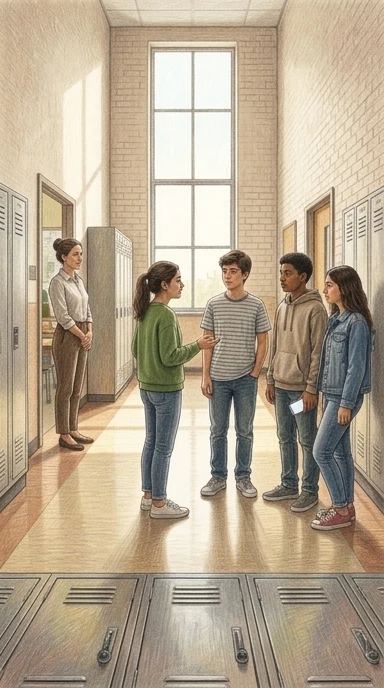 Schools Are Seeing AI-Made Nude Images of Students. Most Can't Name the Problem. subscribe short + detailed A small study from England found teachers and teenagers alike unsure what a "deepfake" is — or that it should be treated like a real nude image. It shows a pattern, not how common this is. In England, students have created and shared sexualized deepfakes of classmates.Las escuelas ya ven imágenes sexuales hechas con IA. Casi nadie sabe cómo llamarlas. suscríbase breve + detallada Un estudio pequeño en Inglaterra encontró que alumnos y docentes no distinguen estas imágenes de otros abusos, y que las escuelas responden de maneras opuestas. En el Reino Unido, un informe encontró que el 13% de los adolescentes había experimentado deepfakes de desnudos en escuelas británicas.
 One in Eight Young People in Spain Said They Made or Shared Fake Explicit Images of People They Know subscribe short + detailed The survey is Spanish and self-reported, so the real share could be higher — and it says little about which individual young person will do it. In 2023, a case in Spain involved teenage boys and female classmates at their high school. Similar cases have been reported in the Spanish press.Uno de cada ocho jóvenes españoles dice haber creado o compartido imágenes sexuales falsas de conocidos suscríbase breve + detallada La encuesta es española y se basa en lo que la gente admite, así que la cifra real podría ser mayor. Y ningún rasgo aislado permite saber quién lo hace. En España se han reportado casos de jóvenes que usaron inteligencia artificial para desnudar a compañeras.
SectionSección
Your mindSu mente
adults: attention, memory, judgement, attachmentadultos: atención, memoria, juicio, apego
- Pick the Right Chatbot and It May Ease One Kind of Digital Strain free short + detailed A 14-day trial found a warm listener helped where social pressure bites, a practical helper where checking becomes compulsive. It cannot say the relief lasts. In China, about 80% of university students use mobile phones more than five hours a day, and 39% exceed eight. Ninety-nine of them, all screened for elevated digital stress, joined a study to see whether a chatbot could take some of that weight off. Researchers at Central China Normal University built two chatbots on the Coze platform. One, called "Auntie Lin," was designed to listen, comfort and encourage without giving advice. The other, "Diligent Xiao Yu," was built to answer questions, analyze problems and suggest practical steps, with tools that let it search the web and return links.Dos robots distintos, dos alivios distintos: lo que un ensayo de 14 días encontró sobre el estrés digital gratis breve + detallada Un chatbot cálido y uno práctico redujeron tensiones diferentes entre estudiantes con alto estrés digital; nadie sabe aún si el alivio dura. En China, cerca del 80% de los universitarios usa el celular más de cinco horas al día, y el 39% pasa de ocho. Para muchos, esa vida conectada trae una carga propia: la sensación de tener que estar siempre disponible, la ansiedad por la aprobación ajena, el miedo a quedarse fuera, la comparación constante. Noventa y nueve estudiantes universitarios chinos con niveles elevados de ese estrés participaron en un ensayo. Investigadores de la Universidad Normal de China Central construyeron dos chatbots en la plataforma Coze. Uno, llamado "Tía Lin", ofrecía escucha empática y validación emocional.
 They Built AI Parents. Then the Relationships Started to Shift. subscribe short + detailed In a small study of 25 Chinese users, some formed parent-like bonds with chatbots — bonds the researchers describe as fluid, not fixed. To qualify for the study, each had done so at least twice a week for three months or more.Construyen "padres" con inteligencia artificial: vínculos reales, pero cambiantes suscríbase breve + detallada Un estudio con 25 usuarios chinos describe tres tipos de parentesco con bots y advierte que esas relaciones se transforman según el ánimo y la vida real. El estudio, publicado en Frontiers in Psychology, lleva la firma de Yilin Li, Mengling Luo y Hang Ren.
 The Chatbot Finished Their Sentences. It Couldn’t Finish Their Thinking. subscribe short + detailed Doctoral students in China described how fluent AI answers can feel like your own understanding — and what checking it looked like. They described using chatbots for demanding research tasks such as reading dense literature, choosing methods, building frameworks and writing a thesis.Confundir la fluidez de la IA con la propia comprensión: lo que vieron 28 doctorandos chinos suscríbase breve + detallada Un estudio cualitativo describe una crisis de calibración: respuestas que suenan completas antes de que la persona entienda el razonamiento. Son solo 28 estudiantes de doctorado en China, así que es una pregunta para hacerse, no un veredicto sobre su propio uso de chatbots.
 Students Followed Bad Chatbot Advice 62% of the Time — and Felt More Sure of Themselves subscribe short + detailed A short reflection before answering cut that to about 40 percent. But the tasks were quiz-like, and the students were all at one Chinese university. Picture a student with a reasoning problem on screen. Before touching a chatbot, they write down an answer and how sure they feel.Siguieron el consejo equivocado del chatbot y, aun así, se sintieron más seguros suscríbase breve + detallada Un experimento con 342 estudiantes universitarios en China muestra cuánto puede pesar la confianza cuando la inteligencia artificial se equivoca. Las tareas eran breves, no decisiones de la vida real. Cuando la respuesta del chatbot era incorrecta, la aceptaron el 62.4% de las veces.
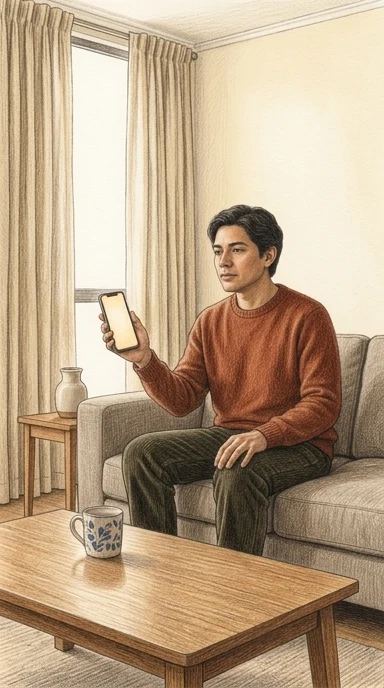 A Warm Chatbot Reply Can Calm You — Or Teach You to Come Back subscribe short + detailed In a small experiment, two comforting scripts eased upset equally. Only one left people scoring better on a later task done without the bot. In an online experiment, 380 adults recruited in Guangzhou talked with a chatbot.Un mismo consuelo, dos caminos distintos suscríbase breve + detallada En un experimento breve, respuestas cálidas de un chatbot aliviaron por igual el malestar; lo que cambió fue si dejaban a la persona con un paso propio o con más ganas de volver al bot. Después lo conversaron con un chatbot. El sistema recibió uno de dos libretos, ambos amables.

SectionSección
Your jobSu trabajo
anyone whose livelihood depends on itquien vive de su trabajo
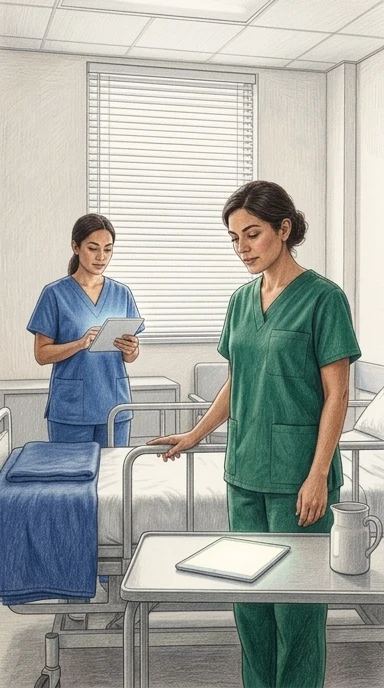
- Nurses Who Knew AI Best Feared It Least. The Study Can't Prove Why. free short + detailed In one Chinese city, nurses who handled devices often reported calmer feelings about new tools at work — but the survey caught only one moment in time, and it says nothing about nurses elsewhere. Registered nurses are the largest group of workers handling patients, and the new software arriving in hospitals lands on them first. In Chongqing, China, that arrival is already visible. Researchers asked 1,392 registered nurses about artificial intelligence between March and May 2026. The nurses worked in 10 large tertiary hospitals, 6 secondary hospitals and 14 community health centers. One questionnaire covered their background, one measured what they knew about AI, one measured their worry, and one measured their attitude toward the technology.Más conocimiento de inteligencia artificial se asocia con menos ansiedad y mejor actitud gratis breve + detallada Un estudio con 1,392 enfermeras en China encontró que un mayor conocimiento de inteligencia artificial se asocia con menos ansiedad y actitudes más positivas. No prueba que aprender IA calme el miedo, y los datos son solo de esa región. En Chongqing, China, las enfermeras registradas son el grupo profesional más grande del sistema de salud y quienes más tiempo pasan junto a los pacientes. Ahí también están llegando las nuevas herramientas de inteligencia artificial. Entre marzo y mayo de 2026, un equipo de investigadores encuestó a 1,392 enfermeras registradas de hospitales de tercer nivel, de segundo nivel y centros de salud comunitarios de esa ciudad.
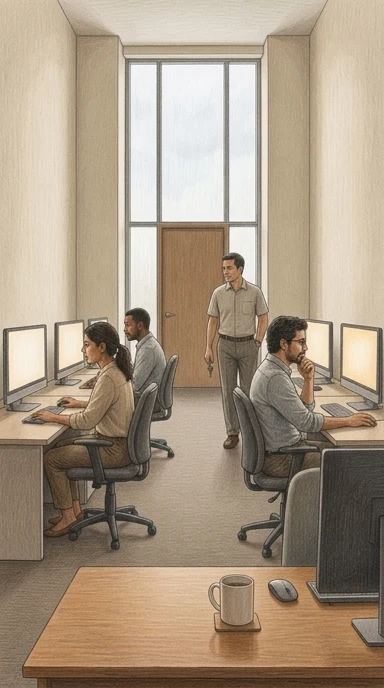 They Watch Torture and Murder So AI Can Filter It Out. The Paper Says Nobody Measures What It Costs Them. subscribe short + detailed The work brings trauma, exhaustion and broken relationships. The evidence comes from workers' own accounts, not from a study that counted how many are hurt. They are called violent content data workers. Some label images so AI can learn to detect them.El trabajo que nadie ve: revisar tortura, violación y abuso infantil para que la IA filtre ese contenido suscríbase breve + detallada Un análisis filosófico describe el daño en la afectividad, el cuerpo y las relaciones de quienes hacen esa labor. No mide cuántos trabajadores lo sufren. Para que la inteligencia artificial no genere violencia, alguien tiene que verla primero.
 Hotel Staff Who Knew More About AI and Robots Adapted Better at Work subscribe short + detailed A survey of 406 five-star hotel employees in Egypt found that awareness of AI and robotics went with better adaptation at work — but it was taken at a single moment, and everyone described themselves. In Greater Cairo, Egypt, hotel work was changing.Lo que los trabajadores de hoteles sabían sobre la IA y cómo respondieron suscríbase breve + detallada Un estudio en Egipto halló que quienes más entendían la tecnología se adaptaban mejor. Pero los propios empleados reportaron sus respuestas, y todo se midió una sola vez. Publicaron sus resultados en la revista Intangible Capital.
 Thirty Accountants, Twenty Women, Ten Men: What They Said About AI Doing the Estimates subscribe short + detailed In a small Romanian study, men and women were equally open to AI for estimates like provisions and fair value — but nothing measured reached statistical significance, so the pattern may be noise. That is the judgment-heavy work: provisions, impairment of assets, fair value assessment.La IA llega a la contabilidad: hombres y mujeres la adoptan igual, pero por razones distintas suscríbase breve + detallada Treinta contadores rumanos contaron cómo usan la inteligencia artificial para sus estimaciones. Ninguna diferencia entre sexos fue concluyente, y eso también es el hallazgo. Veinte mujeres y diez hombres, casi todos de entre 35 y 55 años.
SectionSección
Your parentsSus padres
older people and the adult children who look out for thempersonas mayores y los hijos adultos que las cuidan
- Chatbots answered 3 in 4 late-life depression questions safely, study finds free short + detailed ChatGPT and Gemini did best on a set of 90 written questions about depression in later life. As the situations grew more dangerous, all three programs tested slipped. Older adults and the adult children who look out for them are turning to chatbots with some of the hardest questions they face: Why has my mother stopped eating? Is this low mood, or something else? Should she stop that medicine? The programs answer in seconds, in plain language, as if they know. Researchers wrote 90 questions about depression in later life — some phrased as an older person would ask, some as a caregiver would — and put each one to ChatGPT, Gemini and Doubao. The study appeared in the journal Frontiers in Psychiatry.Los chatbots dieron respuestas aceptables en la mayoría de los casos, pero no en los urgentes gratis breve + detallada Un estudio con 90 preguntas sobre depresión en la vejez halló respuestas aceptables en la mayoría de los casos, pero menos de la mitad en los escenarios de mayor riesgo. Cada vez más personas mayores, y los hijos y hijas que las acompañan, consultan a un chatbot sobre el ánimo bajo, los cambios de memoria o un medicamento. La respuesta llega en segundos, con tono seguro y bien redactada. Para medir qué tan confiables son esas respuestas, un equipo de investigadores escribió 90 preguntas sobre depresión en la vejez, planteadas desde la perspectiva del propio adulto mayor y desde la de un familiar cuidador. Las enviaron a ChatGPT, Gemini y Doubao, y dos psiquiatras evaluaron las respuestas sin saber cuál programa las había escrito.
 A 12-Week Art Program With AI Help Improved Memory and Mood in Older Adults. Its Own Authors Say the Whole Program Made the Difference, Not the AI. subscribe short + detailed In one community in China, older adults described memories out loud and watched pictures appear. Be careful what you say into any such tool — and don't treat it as a treatment. In the Shengli Street Community in Enshi City, China, 80 people aged 60 and over with mild memory problems joined a study.Un taller de arte con ayuda de inteligencia artificial mejoró la memoria y el ánimo de adultos mayores en China suscríbase breve + detallada El beneficio vino del programa completo, con su grupo y sus actividades, y no se puede atribuir solo a la herramienta. El estudio se hizo en una sola comunidad del interior de China. Setenta y dos lo terminaron. La otra mitad siguió con las actividades habituales de la comunidad.
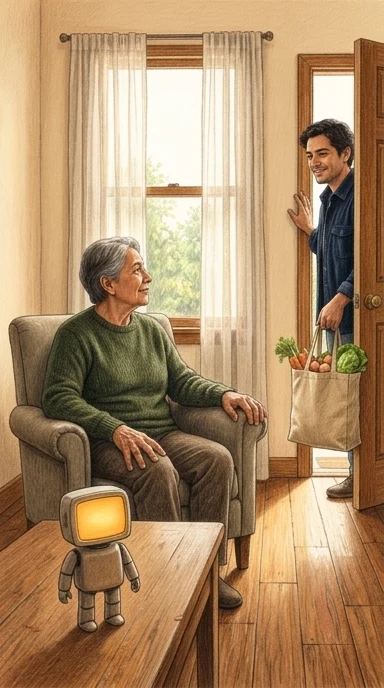 A Robot That Remembers Your Favorite Meal? Chinese Elders Imagined the Comfort—and the Cost subscribe short + detailed In a small study, people 65 and over pictured growing attached to a helper robot, and wondered whether that closeness would pull them away from their families. In China, many older adults live alone or in households their children have left. So the researchers read them a written story instead.Un robot que acompaña: la esperanza y la duda de los adultos mayores suscríbase breve + detallada En un estudio con 18 personas en China, imaginaron cariño hacia un robot compañero, pero también temor de que los aleje de sus hijos. En China, muchos adultos mayores viven solos o en hogares donde los hijos ya no están. Ninguna había usado un robot de asistencia social.
 Older Saudis Book Appointments on the National Health App. They Leave Its Medical Features Alone. subscribe short + detailed A one-time survey in one country can't predict what older adults elsewhere would do—but it shows anxiety, not lack of interest, holding people back. In Saudi Arabia, the national health platform Sehhaty can do many things.En Arabia Saudita, los adultos mayores usan la app de salud casi solo para pedir citas suscríbase breve + detallada Un estudio pequeño y de un solo país sugiere que la ansiedad ante la tecnología frena el uso pleno, y que el idioma de la interfaz tiene peso. En Arabia Saudita existe una plataforma nacional de salud llamada Sehhaty. La ansiedad ante la tecnología fue el freno más fuerte.
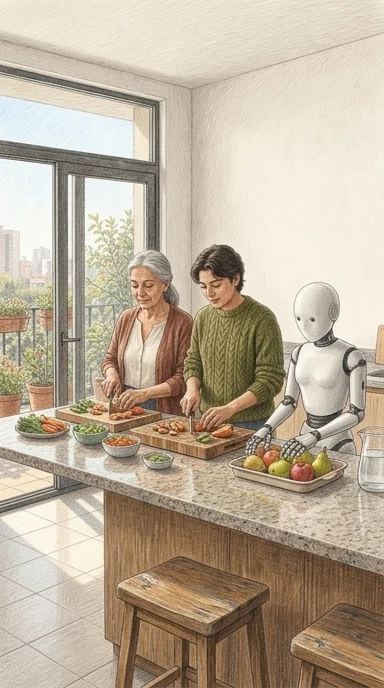 Care Robots: Welcome for Chores, Not for Bathing subscribe short + detailed In a small Portuguese study, adults drew a clear line between machines that help with shopping and laundry and machines that touch the body—and the youngest adults were the most uneasy. Of 235 questionnaires received, 217 valid responses from the Lisbon Metropolitan Area were analysed.Los robots ayudan con la casa, pero no con el baño: lo que piensan las familias en Portugal suscríbase breve + detallada Un estudio con 217 adultos en Lisboa encontró buena disposición para tareas prácticas y rechazo para el cuidado íntimo. Los más jóvenes fueron los más temerosos, aunque la comparación quedó desbalanceada. Las respuestas no fueron un sí ni un no general: dependieron de la tarea.

SectionSección
Your studentsSus estudiantes
what helps a person learn, and what gets in the waylo que ayuda a aprender y lo que estorba
- Most Future Teachers Reach for AI First. A Third Can't Be Bothered to Check What It Says. free short + detailed In a survey of 565 Chinese education majors, dependence on AI was already the norm — and the students who rated their own AI skills highest were not the most protected. In teacher-training programs in China, 565 students preparing to stand in front of classrooms answered questions about how they study. Nearly eight in ten said AI had become an indispensable part of their learning. About the same share said they felt unaccustomed after a stretch without it. More than half said their first reaction to a task was to ask AI first. The study — published in Frontiers in Psychology by Bin Jiang and Zhuo Wang of Qingdao University — used an online survey plus five follow-up interviews.Un estudio a futuros maestros en China halló que la impulsividad y el apego emocional a la IA predicen mayor dependencia gratis breve + detallada Una encuesta a estudiantes de magisterio en China encuentra dependencia extendida; los rasgos que más la acompañan no son la confianza en la herramienta, sino la impulsividad y el apego afectivo hacia ella. Ellos todavía no tienen alumnos. Estudian para ser maestros. Y en una encuesta, 79 de cada 100 dijeron que la inteligencia artificial ya es una parte indispensable de su aprendizaje. Setenta y ocho de cada 100 afirmaron sentirse desacostumbrados tras un tiempo sin usarla. El estudio reunió a 565 estudiantes de carreras de educación en programas chinos de formación docente. Respondieron un cuestionario en línea y cinco de ellos fueron entrevistados después. El estudio lo realizaron Bin Jiang y Zhuo Wang, de la Universidad de Qingdao.
 AI Cut Grammar Errors by a Third — and Cut Warranted Arguments Too subscribe short + detailed In a small study in Uzbekistan, essays written with ChatGPT, Grammarly and QuillBot were cleaner. They also reasoned less. The study can't say which caused which. At Fergana State University in Uzbekistan, students in the English language programs already write with ChatGPT, Grammarly and QuillBot.La IA corrige la gramática, pero los argumentos pierden fuerza suscríbase breve + detallada Un estudio en Uzbekistán encontró menos errores y más vocabulario académico con ChatGPT, Grammarly y QuillBot, pero también menos razonamientos justificados y menos ideas originales. No hay una política institucional que les diga qué está permitido.
 AI Stress and the Students Who Feel It Most subscribe short + detailed In a survey of 529 Chinese undergraduates, those who found generative AI hard to manage reported lower engagement with their studies — and knowing more about AI softened part of that link. The question a new study asks is simple: what happens to learning when those tools feel hard to handle?La IA que abruma también desengancha suscríbase breve + detallada Un estudio con 529 estudiantes universitarios en China vincula la incomodidad con estas herramientas a menor participación en el aprendizaje; la formación en IA la amortigua, aunque nadie garantiza que eso resuelva el problema. A veces el obstáculo no es la tarea: es la herramienta misma.
 Two Short Messages Changed How Students Judged an AI Mental Health Chatbot subscribe short + detailed In a study of 768 college students, a privacy note and a limits warning raised cautious trust — but the students read descriptions, not real conversations. Students already bring their stress, their sleepless nights and their study pressure to generative AI chatbots.Dos mensajes en la pantalla cambian cómo juzgan los estudiantes un chatbot de salud mental suscríbase breve + detallada Un aviso de privacidad y una advertencia sobre los límites del chatbot mejoraron la confianza "calibrada" de los universitarios. Pero el estudio usó escenarios imaginarios, no conversaciones reales. Reclutaron a 768 universitarios y los repartieron al azar en cuatro grupos.
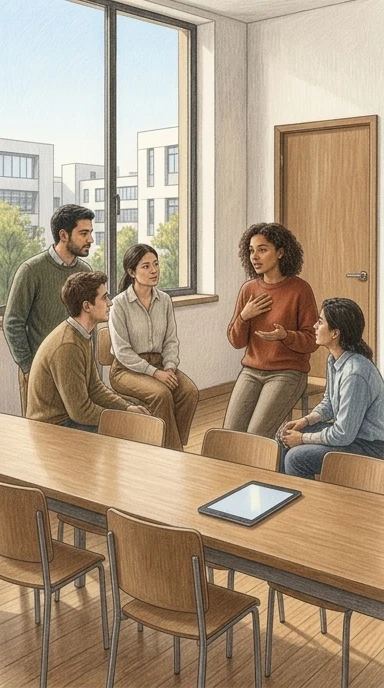 An AI Story That Answers Back Helped Students Learn Unfamiliar Cultural Symbols — in One Small Experiment subscribe short + detailed The same study bundled several adaptive features together, so no one can yet say which one helped. The study included 276 university students recruited from course sections in intercultural communication, media literacy, and global education. What differed was how the material was presented.Una historia con IA ayudó a entender símbolos de otra cultura; no se sabe aún cuál de sus piezas lo logró suscríbase breve + detallada Los estudiantes que podían preguntar y recibir explicaciones a su medida se involucraron más y aprendieron más. La investigación no prueba todavía qué función específica produjo esa diferencia. Un grupo recibió textos expositivos. Otro, una historia digital fija, con voz y secuencia.

SectionSección
Your businessSu negocio
professionals and owners of small and medium businessesprofesionales y dueños de pequeñas y medianas empresas
- Dental Offices Said Yes to AI for Paperwork, No to AI for Patients free short + detailed The main obstacles were cost, extra workload and unfamiliarity, a small survey of 163 practice owners in one German region found. In Mecklenburg-Western Pomerania, a low-density state in eastern Germany, 163 dental practice owners answered a survey about the digital tools in their offices. More than half came from rural areas. Researchers at the Medical University of Rostock mailed a two-page questionnaire to practices listed in the state dental association's database, which had 778 registered practices; 773 letters were successfully delivered. Owners could reply on paper, by fax, by e-mail or online. The team chose this mix on purpose, to hear from owners who are not especially digitally active and who tend to sit out online-only surveys.Lo que frenó a 163 dueños de clínicas dentales ante la IA: el costo, la carga de trabajo y la falta de contacto gratis breve + detallada En un estado alemán poco poblado, más de la mitad de los encuestados venía de zonas rurales. Pero midieron opiniones, no resultados. En Mecklenburg-Pomerania Occidental, un estado alemán de baja densidad de población, 778 clínicas dentales estaban registradas en marzo de 2025. De ellas, 163 dueños respondieron una encuesta sobre herramientas digitales e inteligencia artificial. Más de la mitad, el 55%, trabajaba en zonas rurales. Un equipo de la Universidad de Medicina de Rostock quería oír también a los dueños menos digitalizados, esos que casi nunca aparecen en las encuestas hechas solo por internet. Por eso enviaron por correo postal un cuestionario de dos páginas y aceptaron respuestas en papel, por fax, por correo electrónico o en línea.
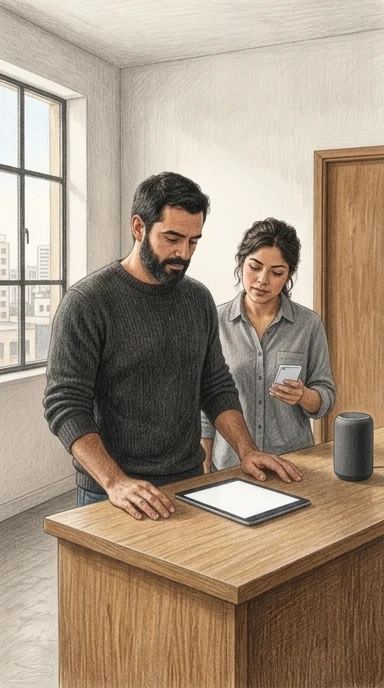 Romanian Online Shops Say Cheap Tools Work, Until Skills Run Out subscribe short + detailed Twenty-five owners and managers describe what they use, what stops them, and what they believe it earned them. In Romania, owners of small online shops keep their data work simple. Google Analytics, the reports their selling platform already gives them, and Excel spreadsheets.Lo que usan de verdad las tiendas en línea pequeñas: herramientas baratas, costos altos y personal sin formación en datos suscríbase breve + detallada Veinticinco dueños y gerentes de pymes rumanas de comercio electrónico cuentan qué tecnología adoptaron, qué se los impide y qué creen que ganaron. Son percepciones de un solo país, no resultados medibles. En muchos negocios en línea pequeños, la analítica cabe en una hoja de cálculo.
 Your Voice Is Now a Health Test. It Can Never Be Made Anonymous. subscribe short + detailed A small study of eleven voice-screening startups found ethics review sometimes absent and consent sometimes waived — and the companies that took part were already the ones talking to academics. One of the businesses in the study targets mental health in occupational screening.Su voz ya se usa para detectar enfermedades. Nadie le está pidiendo permiso dos veces. suscríbase breve + detallada Once empresas que analizan la voz con inteligencia artificial aceptaron contar cómo recogen los datos. Sus propias respuestas muestran normas dispares, revisiones éticas que van de sólidas a inexistentes y consentimientos que van de casillas detalladas a exenciones completas.
 Millennials rated a coaching chatbot that gave direct advice higher than one that only asked questions. subscribe short + detailed In a small UK study, a coaching chatbot that gave direct advice beat one that only asked questions. Each participant used a chatbot once, for 5 to 15 minutes, on one platform, and all were graduates. Millennials make up roughly 75% of the global workforce.En el estudio, 158 millennials probaron dos chatbots de coaching: uno directivo y uno no directivo suscríbase breve + detallada Un experimento con dos asistentes de coaching encontró que los empleados calificaron mejor al que da indicaciones directas. La muestra era limitada y la sesión, muy corta. Uno daba instrucciones, sugerencias y ejemplos concretos.

SectionSección
Your rightsSus derechos
every citizentodo ciudadano
- Swedish Doctors Used Unauthorized AI on the Job, Study Finds free short + detailed The physicians described using ChatGPT for diagnoses and patient letters. The study says nothing about what your own country allows. In Sweden, physicians working under European Union rules described using artificial intelligence tools their hospitals had never approved and, in some cases, were not legally cleared for medical use. Researchers surveyed 357 physicians between December 2023 and January 2024 through a verified online panel and analyzed their written answers. The study appears in the Journal of Medical Internet Research. Four purposes came up again and again. Physicians used the tools as a colleague or second opinion for clinical decisions — suggesting possible diagnoses, helping with rare conditions, weighing hard-to-read symptoms.Médicos suecos usan IA no autorizada para diagnosticar y escribir cartas a pacientes gratis breve + detallada El estudio describe cuatro usos, pero es solo de Suecia y no crea ningún derecho para usted. En Suecia, médicos que trabajan en hospitales y centros de salud bajo las normas de la Unión Europea describieron cómo usan herramientas de inteligencia artificial que nadie autorizó. Entre ellas, sobre todo ChatGPT. Las usan para pensar diagnósticos, para escribir cartas a los pacientes y para estudiar. Ninguna de esas herramientas fue aprobada como dispositivo médico ni comprada por sus instituciones. Los investigadores encuestaron a 357 médicos entre diciembre de 2023 y enero de 2024, a través de un panel verificado en línea, y analizaron sus respuestas escritas con sus propias palabras.
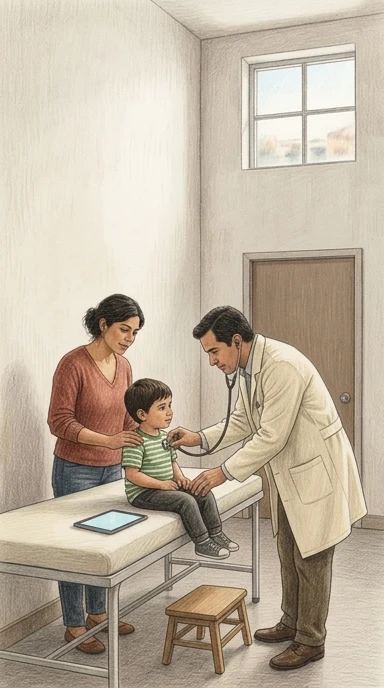 AI Is Helping Diagnose Children. When It Gets It Wrong, Who's Responsible? subscribe short + detailed In one small Chinese hospital study, nearly two-thirds of AI misdiagnosis disputes involved infants. The figures describe that single institution only, and the blame rules researchers propose are suggestions, not law anywhere. A computer program suggests a diagnosis for a sick child.La IA que diagnostica a niños: quién responde cuando falla suscríbase breve + detallada Un estudio en un solo hospital de China halló que la mayoría de los documentos no definen la propiedad del sistema y que casi la mitad de los algoritmos son opacos. Esas cifras describen esa institución, no las leyes de su país.
 Two Short Messages Changed How Students Judged an AI Chatbot. The Test Was on Paper. subscribe short + detailed A privacy notice and a "not a doctor" warning each moved students' answers in a large survey experiment. Nobody watched what they would actually do. Students today type their stress, their sleepless nights, their exam panic and their questions about where to find help into generative AI chatbots.Dos avisos cortos cambian cómo los estudiantes juzgan a un chatbot de salud mental suscríbase breve + detallada Un estudio con 768 universitarios halló que un aviso de privacidad y otro sobre los límites del chatbot influyen en lo que los estudiantes creen que pueden esperar. Los escenarios eran hipotéticos y lo medido fueron intenciones declaradas. Pueden parecer fáciles de alcanzar y que no juzgan.
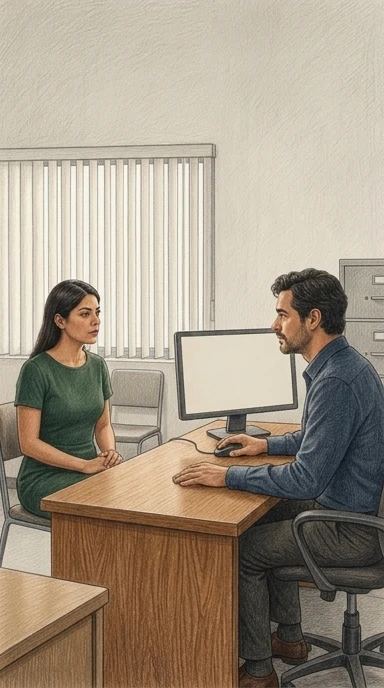 A Person Clicked Approve. Courts Called That Not Enough. subscribe short + detailed In the Netherlands and Italy, judges found that automated decisions about benefits and work violated people’s rights because those people could not effectively challenge them. The article describes a study in which a court in the Netherlands looked at SyRI, a system used to hunt for welfare fraud.Un "sí" humano que no revisa nada: qué encontraron los tribunales europeos sobre las decisiones automáticas suscríbase breve + detallada La ley europea exige que una persona supervise las decisiones de software. Un análisis sostiene que, en la práctica, esa persona muchas veces solo firma lo que el sistema ya decidió. El trabajo lo hace el sistema; el ser humano presta su firma.
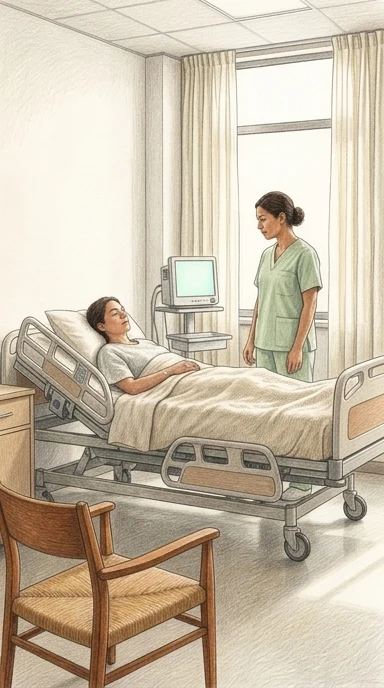 Hospital AI Can Quietly Lose Accuracy After Launch, Small Study Finds subscribe short + detailed Four patient-scoring systems drifted in the months after deployment. The warning signs appeared before the outcome data doctors usually rely on. A patient arrives at the emergency department. Hospitals in many countries now run tools that do exactly this.La precisión de una IA hospitalaria puede desvanecerse sin que nadie lo note suscríbase breve + detallada Un estudio siguió cuatro sistemas de IA clínica tras su puesta en marcha: el rendimiento validado no se mantuvo, y las señales que avisaban antes no eran las que se suelen vigilar. La alerta llega a una lista o a una pantalla, y alguien decide si actúa.

SectionSección
The good newsLas buenas noticias
anyone who only ever hears the alarmquien solo escucha la alarma
- An AI Triage Tool for a Killer Heart Emergency Held Up Where a Standard Model Fell Apart — But Its Real-World Accuracy Is Still Unknown free short + detailed In a small, case-heavy study from central China, an AI agent kept catching aortic dissection when a conventional model collapsed. The catch: the patients were chosen so that most already had the disease, and the authors say it must not be used in clinics yet. Acute aortic dissection is a tear in the body's main artery. The article describes a study in which the risk of death rises by 1 to 2 percent for every hour that passes after symptoms begin, and notes that the scan that confirms it — computed tomography angiography, or CTA — is often not available right away. In a busy emergency room, that hour is everything. Researchers in Wuhan, working with the School of Computer Science at Central China Normal University, built a tool they call AAD-Agent.Una herramienta de IA podría ayudar a decidir quién necesita una tomografía urgente gratis breve + detallada En un estudio chino, un programa que hace tres preguntas seguidas detectó más casos que un modelo anterior, pero los propios autores piden que nadie lo use todavía en clínicas. El artículo recoge un estudio en el que, cada hora que pasa sin diagnosticar una disección aguda de aorta, la muerte aumenta entre 1% y 2% entre quienes la sufren. La tomografía con contraste (CTA) es el examen que confirma el diagnóstico, pero no siempre está disponible de inmediato, sobre todo en hospitales pequeños o durante un traslado en ambulancia. El programa da una respuesta después de cada paso y se detiene si ya sospecha el caso. El estudio, retrospectivo y multicéntrico, reunió a 869 pacientes de tres hospitales chinos y a 200 de otros dos.
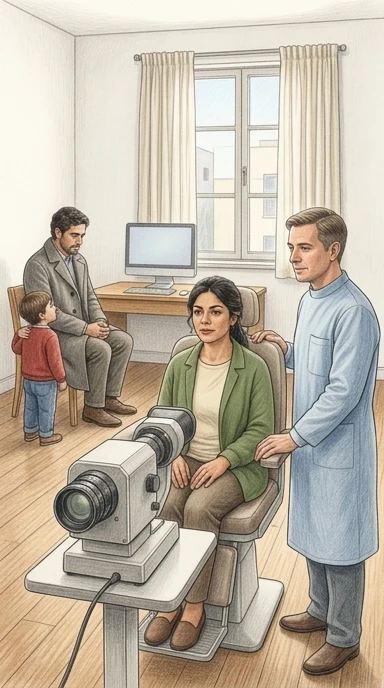 AI Could Spare Eye Specialists Most of the Work — With a Few Misses Nobody Would Catch subscribe short + detailed A Korean study simulated letting software clear eye photos as normal. It cut specialist reviews by roughly 85% to 92%. It also missed a few real cases. At a clinic, a camera photographs the back of the eye. Those photographs then wait for a specialist to look at each one.La IA revisó primero las fotos de ojos: menos filas para el especialista, con fallos que nadie vuelve a mirar suscríbase breve + detallada En un hospital de Corea del Sur, el software descartó la mayoría de las imágenes como normales. También dejó pasar más casos de retinopatía diabética y degeneración macular que la lectura solo humana. Cuando la marcaba como negativa, se aceptaba como negativa sin que ningún médico la viera.
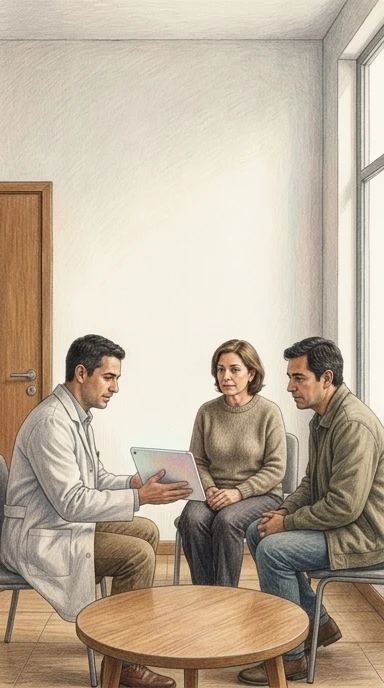 A Computer Using Routine Data Beat the Standard Lung Cancer Test. It Still Has to Prove Itself. subscribe short + detailed A large study of 2,396 patients found an AI tool using routine data predicted who would benefit from immunotherapy better than the test doctors use now. The gain did not hold up everywhere. It works durably for only about 20 to 30 percent of them. Most have primary or secondary resistance to it.La herramienta de IA que ayudó a los médicos a predecir quién se beneficia de la inmunoterapia suscríbase breve + detallada Un estudio internacional con 2,396 pacientes halló que los datos clínicos y de sangre de rutina superaron al marcador estándar PD-L1. Pero la herramienta aún no está aprobada ni se usa en la práctica, y su desempeño bajó en un hospital con pacientes distintos a los estudiados.
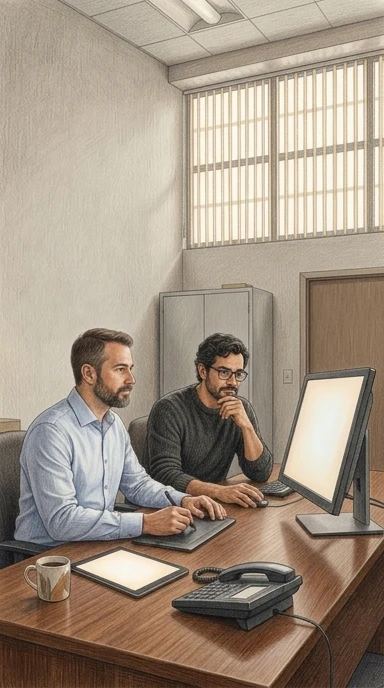 AI Cut the Hours Spent Outlining Scans Before Rectal Cancer Radiotherapy subscribe short + detailed In one Chinese hospital, software that traces organs on planning scans got faster and more consistent. It did not change the treatment itself, and no one skipped the oncologist's review. For people with rectal cancer, radiotherapy often comes before surgery.La inteligencia artificial dibuja los órganos para radioterapia: más rápida y más parecida entre doctores suscríbase breve + detallada Un estudio de un solo hospital en China midió qué tan bien coincidían los contornos automáticos con los aprobados por los médicos. No midió la dosis de radiación ni los resultados del tratamiento. Para tratar un cáncer de recto con radioterapia, antes hay que dibujar.
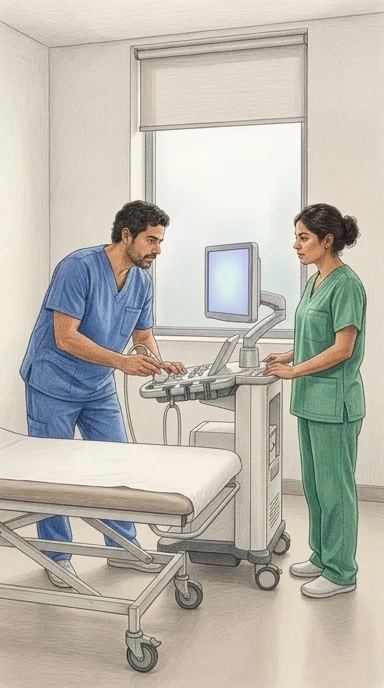 AI Guidance Helped Doctors Cover More Ground in Pancreas Exams subscribe short + detailed One hospital's records show more complete scans and more small masses found — but not more cancers, and not proof that patients fared better. An ultrasound exam of the pancreas and bile ducts is only as good as its coverage.La IA ayudó a los médicos a mirar más y mejor un órgano difícil de ver suscríbase breve + detallada Un estudio en un solo hospital de China halló más exámenes completos y más masas pequeñas de páncreas. No prueba que los pacientes vivan más, y nadie debe saltarse un examen por esto. Si el especialista no llega a una zona, esa zona simplemente no se vio.
Who makes thisQuién hace esto
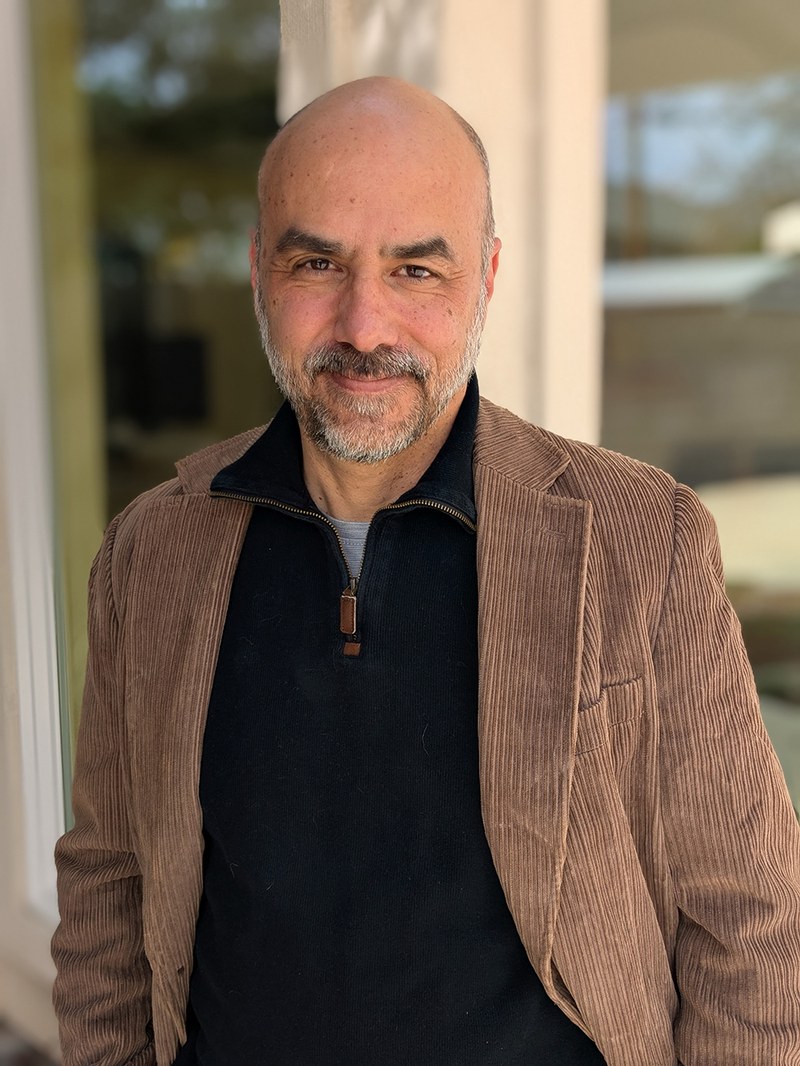
Diego Bonilla, Ph.D.Diego Bonilla, Ph.D.
Full Professor of Communication Studies, Sacramento State, California, United States
Graduate instructor, Universidad Nacional Autónoma de México (UNAM), MexicoProfesor titular de Estudios de la Comunicación, Sacramento State, California, Estados Unidos
Docente de posgrado, Universidad Nacional Autónoma de México (UNAM), México
I am a professor of communication at Sacramento State, where I created the course Information Management and Privacy and have taught it many times, and at UNAM, in Mexico City, I teach the graduate course Electronic and Generative Literature with AI. In both I teach AI. I have taught since 1989, at first mathematics and physics to children who found them hard, and since 1997 one subject that has changed its name four times: computer literacy, information literacy, digital literacy, and now AI literacy.
This page exists because most people cannot go back to a university, and these systems are changing their work, their children's schooling, their parents' care and their vote all the same. What a university teaches about them should reach the people who need it, every week, in plain language, without enrolling anywhere. That is what I do here, and it is what I do on Thursday mornings in a seminar for retired people at Sacramento State, built on this publication, where anyone can send a question and hear it answered.
In 2003 my doctorate at Syracuse measured what a machine can infer about a person from the traces they leave, and what I found became the privacy course I still teach. In 2007 and 2009 I sat on the committee at ETS in Princeton that set the national standard for digital literacy, and from 2014 to 2016 I was the California State University's ICT Literacy Ambassador. Four names, one job: helping people not be at the mercy of the newest machine.
Soy profesor de comunicación en Sacramento State, donde creé el curso Gestión de la Información y Privacidad y lo he dado muchas veces, y en el posgrado de la UNAM, en la Ciudad de México, doy el curso Literatura electrónica y generativa con IA. En los dos enseño inteligencia artificial. Doy clases desde 1989; al principio, matemáticas y física a niños a los que se les hacían difíciles, y desde 1997 una sola materia que ha cambiado de nombre cuatro veces: alfabetización informática, informacional, digital, y ahora en inteligencia artificial.
Esta página existe porque la mayoría de la gente no puede volver a la universidad, y estos sistemas les están cambiando el trabajo, la escuela de sus hijos, el cuidado de sus padres y su voto de todos modos. Lo que una universidad enseña sobre ellos debe llegar a quien lo necesita, cada semana, en lenguaje llano, sin inscribirse en ninguna parte. Eso es lo que hago aquí, y es lo que hago los jueves por la mañana en un seminario para personas jubiladas en Sacramento State, construido sobre esta publicación, donde cualquiera manda una pregunta y la oye contestada.
En 2003 mi doctorado en Syracuse midió lo que una máquina puede inferir de una persona por los rastros que deja, y lo que encontré se volvió el curso de privacidad que sigo dando. En 2007 y 2009 formé parte del comité de ETS en Princeton que fijó el estándar nacional de alfabetización digital, y de 2014 a 2016 fui el embajador de alfabetización en tecnologías de la información de la Universidad Estatal de California. Cuatro nombres, un solo oficio: que la máquina más nueva no lo agarre a usted desarmado.
I have also worked on the other side of the counter. In 2000 I began making films that a machine assembles differently for every viewer; the first of them took first prize at the Moscow International Film Festival in 2003, two decades before the industry shipped a generative model. A generative video poem I made with a poet at UNAM is in the field's definitive anthology, and in 2025 my VR work took an award at an AI film festival. My recent published research is on AI and elections, and on how these models represent the cultures they were not trained on. I do not read the papers myself, and this page will never tell you I do. I built the machine that reads them and wrote the rules it reads by, and I read what it gives me the way I have taught my students to read: asking how it knows, and who benefits from what it says.
También he trabajado del otro lado del mostrador. Empecé en el internet en español antes de que hubiera qué vender en él, con una revista literaria en línea en 1995. Desde el año 2000 hago cine que una máquina arma distinto para cada espectador; la primera de esas películas ganó el primer premio del Festival Internacional de Cine de Moscú en 2003, dos décadas antes de que la industria vendiera un modelo generativo. Big Data, un poema en video generativo hecho con el poeta Rodolfo Mata de la UNAM, quedó en la antología definitiva del campo, y en 2025 mi obra en realidad virtual ganó un premio en un festival de cine de inteligencia artificial. Mi investigación reciente publicada es sobre inteligencia artificial y elecciones, y sobre cómo estos modelos representan a las culturas latinoamericanas, que es justamente la pregunta que esta región tiene que hacerle a una tecnología entrenada en otra parte. No leo yo los estudios, y esta página nunca le va a decir que sí. Construí la máquina que los lee y escribí las reglas con las que los lee, y leo lo que me entrega como les he enseñado a leer a mis estudiantes: preguntando cómo lo sabe, y a quién le conviene lo que dice.
The vendors began teaching AI literacy two years ago, because before that there was nothing to sell. I am not against them. I am simply not one of them, and no one who sells these systems pays for this page.
Los vendedores llevan dos años enseñando alfabetización en inteligencia artificial, porque antes no había nada que vender. No estoy en contra de ellos. Simplemente no soy uno de ellos, y nadie que venda estos sistemas paga esta página. Esta edición no está traducida: la escribo en español, para la región, porque así empecé y a esto vuelvo.
The record, datedLa trayectoria, con fechas
- 1989 Teaching begins, Mexico CityEmpiezo a dar clases, Ciudad de México
- 1995 Hypergraphia, an early Spanish-language web and hypermedia publisherHypergraphia, editorial de hipermedia y una de las primeras revistas literarias en la web en español
- 1998 Autorretrato, first generative poem, published by UNAM's Instituto de Investigaciones FilológicasAutorretrato, primer poema generativo, publicado por el Instituto de Investigaciones Filológicas de la UNAM
- 2003 Ph.D., Syracuse University, Doctoral Prize · First Prize, Moscow International Film Festival, for a machine-assembled filmDoctorado, Syracuse University, Doctoral Prize · Primer premio, Festival Internacional de Cine de Moscú, por una película armada por máquina
- 2007, 2009 ETS iSkills committee, PrincetonComité iSkills de ETS, Princeton
- 2011, 2012 Keynotes on generative work, UNAM and the CONACULTA symposiumConferencias magistrales sobre obra generativa, UNAM y simposio de CONACULTA
- 2014–2016 ICT Literacy Ambassador, California State University · California Open Educational Resources CouncilEmbajador de alfabetización en TIC, Universidad Estatal de California · Consejo de Recursos Educativos Abiertos de California
- 2019 Big Data, with Rodolfo Mata: Electronic Literature Collection, Volume 4Big Data, con Rodolfo Mata: Electronic Literature Collection, volumen 4
- 2021 Uku Pacha, a generative VR film: world premiere, Vancouver International Film FestivalUku Pacha, película generativa en realidad virtual: estreno mundial en el Festival Internacional de Cine de Vancouver
- 2023 Published research on AI and the 2024 U.S. elections, and on the representation of Latin American cultures by AI · Graduate teaching at UNAM beginsInvestigación publicada sobre inteligencia artificial y las elecciones de 2024 en Estados Unidos, y sobre la representación de las culturas latinoamericanas con IA · Empiezo a dar posgrado en la UNAM
- 2023–2026 Directed the faculty learning community Advancing AI Literacy, Sacramento State · Principles for Cognitive and Pedagogical SovereigntyDirigí la comunidad docente Advancing AI Literacy, Sacramento State · Principios de Soberanía Cognitiva y Pedagógica
- 2024 A weekly AI publication run on real pipelines, every week sinceUna publicación semanal sobre inteligencia artificial hecha sobre procesos reales, cada semana desde entonces
- 2025 Best AI Short Film, Red Rocks AI Film FestivalMejor cortometraje de IA, Red Rocks AI Film Festival
- 2026 Keynote, with Nancy Huante-Tzintzun, Latin American and Caribbean Digital Humanities symposium, UT San Antonio · AI Watch, a weekly seminar for retired people, Sacramento StateConferencia magistral, con Nancy Huante-Tzintzun, simposio de Humanidades Digitales de América Latina y el Caribe, UT San Antonio · AI Watch, seminario semanal para personas jubiladas, Sacramento State
The free weekly drip by email
One email a week: the free story of every section, with its picture, and the headlines of the rest.
No payment, nothing to cancel. Unsubscribe from any issue.
El goteo semanal gratis por correo
Un correo por semana: la nota gratuita de cada sección, con su imagen, y los titulares de las demás.
Sin pago y sin nada que cancelar. Puede darse de baja desde cualquier envío.
What it costsCuánto cuesta