weeklyAI · Week of 20 September 2026weeklyAI · Semana del 20 de septiembre de 2026
Your childSus hijos
for parents and everyone raising someone who is not yet an adultpara madres, padres y quien cría a alguien que todavía no es adulto
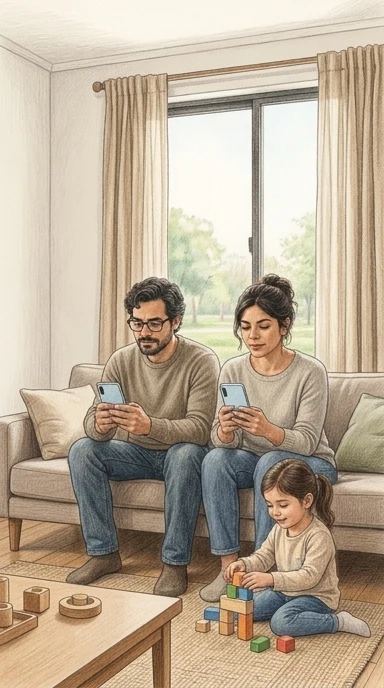
- Parents Who Hand a Phone to a Crying Child May Be More Hooked on Their Own free short + detailed A one-time survey of parents in Türkiye links heavier phone habits with children who use phones longer and react strongly when devices are taken away. It cannot prove which came first. In one eastern Turkish city, researchers asked 1,543 parents of children aged 3 to 6 about their phones — and about their children's. The parents answered questions about their own smartphone habits, how much time they spend on social media, which artificial intelligence tools they know, and how they use digital tools for childcare tasks like feeding, diaper changes, burping and bathing. They also reported when their children first watched a phone, how long children use phones now, and what happens when a phone is taken away.Los padres que usan más el celular también crían niños más conectados al celular gratis breve + detallada Un estudio en Turquía encontró que los padres que usan herramientas de inteligencia artificial o dejan que sus bebés vean el celular en los primeros meses tienen puntajes más altos de adicción al teléfono. En una ciudad del este de Turquía, 1,543 padres de niños de 3 a 6 años respondieron preguntas sobre su propio uso del celular y sobre los hábitos tecnológicos de sus hijos. La mayoría eran madres de entre 30 y 39 años, y casi la mitad tenía estudios universitarios. Se trata de un estudio descriptivo realizado por investigadores de una universidad turca. Quienes usaban herramientas como ChatGPT o Google Bard/Gemini tenían puntajes más altos de adicción al teléfono. Solo muestra que ambas cosas aparecen juntas.
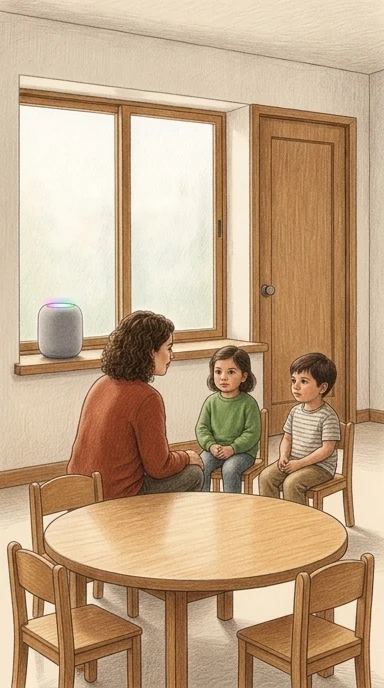
- Your Child May Trust the Smart Speaker's Science Answer More Than a Teacher or Another Child subscribe short + detailed In a study, 4- to 6-year-olds preferred asking a voice assistant over a teacher or another child—and trusted it even when its explanation was weak. The setup wasn't even. More than 4 in 10 American children now have a smart speaker at home. By age two, 4 in 10 children have their own tablet. Children ask these devices about science—one study of families found science and technology made up about a quarter of the questions children posed to a smart speaker. Researchers wanted to know whom children choose when they have a science question. They ran two experiments over Zoom with 310 children aged 4 to 6. In the first, each child chose between a digital voice assistant and "a child like you.Prefieren preguntarle a Alexa antes que a su maestra suscríbase breve + detallada Niños de 4 a 6 años confiaron más en el altavoz inteligente que en un compañero, en un experimento, y que en una maestra, en otro, aunque la comparación no fue pareja. Cuarenta y uno por ciento de los niños estadounidenses tiene un altavoz inteligente en casa, según el informe de Common Sense Media. Y los niños de 4 a 6 años ya les hacen preguntas de ciencias: por qué llueve, cómo respiran los peces bajo el agua, cómo vuelan los aviones. Para entender qué hacen con esas respuestas, investigadores de la Universidad de Fairfield y del Davidson College reunieron a 310 niños de 4 a 6 años en dos experimentos por Zoom. En el primero, cada niño elegía entre preguntarle a un asistente de voz —Alexa, Siri o Google Home— o a "un niño como tú".
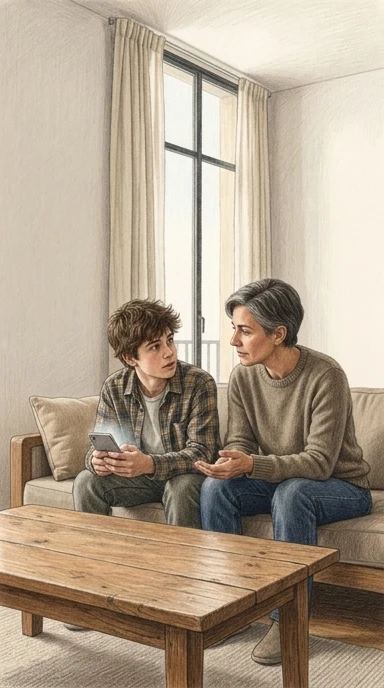 Teens Already Know About AI Boyfriends and Fake Nudes. Here's What They Told Researchers. subscribe short + detailed A small study of 33 Spanish teenagers found they treat location-sharing as normal care and deepfakes as the worst harm—but it can't say how common any of this is. Ask a group of 16- to 18-year-olds about "virtual girlfriends" and they won't be confused.Los adolescentes ya conocen los novios virtuales y los deepfakes. También creen que compartir la ubicación en tiempo real es una muestra de cariño. suscríbase breve + detallada Un estudio pequeño y exploratorio con 33 jóvenes en España describe lo que ellos mismos dicen sobre la IA en sus relaciones. No mide cuántos lo hacen ni qué daño les causa. Adolescentes de 16 a 18 años en España hablan de los chatbots románticos como algo que existe en su mundo, no como una rareza.
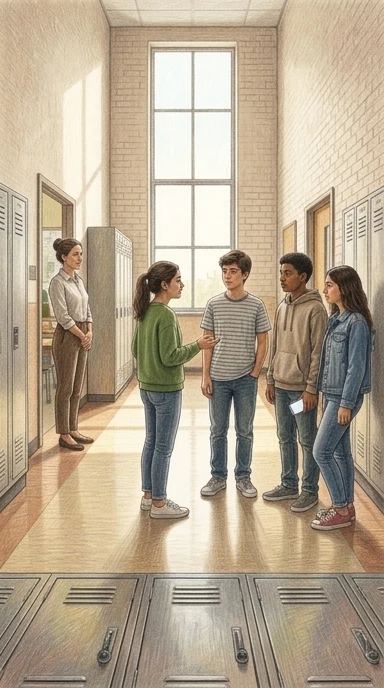 Schools Are Seeing AI-Made Nude Images of Students. Most Can't Name the Problem. subscribe short + detailed A small study from England found teachers and teenagers alike unsure what a "deepfake" is — or that it should be treated like a real nude image. It shows a pattern, not how common this is. In England, students have created and shared sexualized deepfakes of classmates.Las escuelas ya ven imágenes sexuales hechas con IA. Casi nadie sabe cómo llamarlas. suscríbase breve + detallada Un estudio pequeño en Inglaterra encontró que alumnos y docentes no distinguen estas imágenes de otros abusos, y que las escuelas responden de maneras opuestas. En el Reino Unido, un informe encontró que el 13% de los adolescentes había experimentado deepfakes de desnudos en escuelas británicas.
 One in Eight Young People in Spain Said They Made or Shared Fake Explicit Images of People They Know subscribe short + detailed The survey is Spanish and self-reported, so the real share could be higher — and it says little about which individual young person will do it. In 2023, a case in Spain involved teenage boys and female classmates at their high school. Similar cases have been reported in the Spanish press.Uno de cada ocho jóvenes españoles dice haber creado o compartido imágenes sexuales falsas de conocidos suscríbase breve + detallada La encuesta es española y se basa en lo que la gente admite, así que la cifra real podría ser mayor. Y ningún rasgo aislado permite saber quién lo hace. En España se han reportado casos de jóvenes que usaron inteligencia artificial para desnudar a compañeras.