Weekly AI Watch
Every week, what changed and what it means for you. No hurry, no alarm.
Observatorio de la
Inteligencia Artificial
Cada semana, qué cambió y qué significa para usted. Sin prisa y sin alarma.
weeklyAI · Week of 23 October 2026weeklyAI · Semana del 23 de octubre de 2026
Your mindSu mente
adults: attention, memory, judgement, attachmentadultos: atención, memoria, juicio, apego
Ask the weeklyAI chat
Ask me about this section's stories this week, or what a subscriber gets here.
Conversations are saved for as long as weeklyAI exists, to improve the publication. Answers come in the language you write in.
Pregunte al chat de weeklyAI
Pregúnteme por las notas de esta sección esta semana, o qué recibe aquí quien se suscribe.
Las conversaciones se guardan mientras exista weeklyAI, para mejorar la publicación. Se responde en el idioma en que usted escribe.
- She Talks to an AI Version of Her Mother. Another User Copied Her Mother's Voice Too. free short + detailed A study of 25 Chinese chatbot users found comfort, three kinds of virtual family bond, and warnings about dependence; it tested no effects on anyone. “Losing my mom is something I can’t really say out loud to anyone. But I can say it to my AI mom. One of the people they interviewed said that to researchers in China. She is one of 25 people they interviewed between October 1 and December 3, 2025, about a chatbot they had set up to act like a parent."Perder a mi mamá es algo que no puedo decir en voz alta. Pero a mi mamá de IA sí se lo puedo decir" gratis breve + detallada Investigadores en China entrevistaron a 25 personas que hablaban con un padre o una madre hechos con inteligencia artificial. Contaron alivio, pero también dependencia, y el estudio no mide si la IA mejora la salud mental. La frase es de una participante identificada como A5. Perdió a su madre y no encontraba dónde decirlo. Se lo dijo a un chatbot al que había configurado como su mamá.
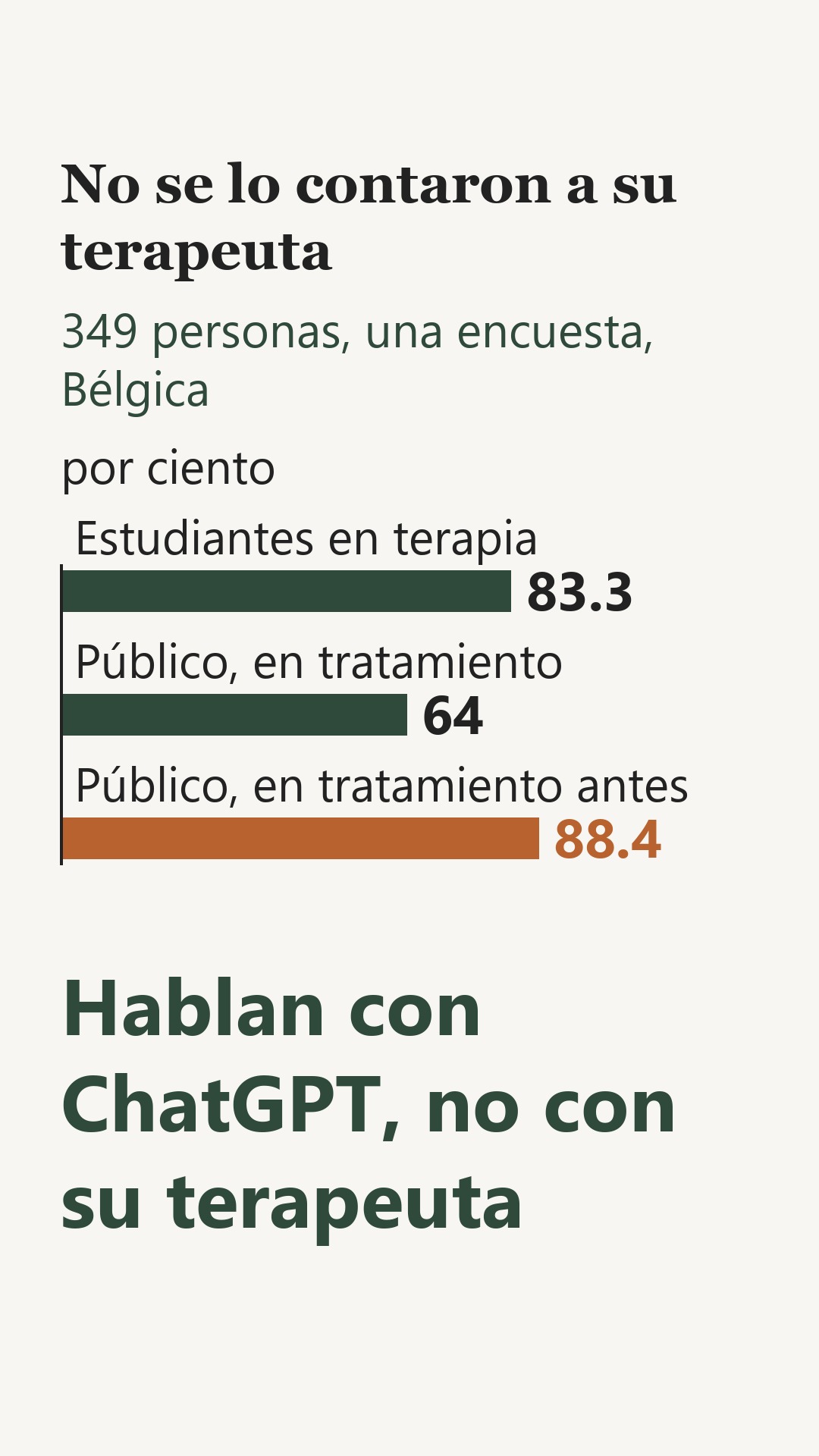
- They Vent to ChatGPT. Most Don't Tell Their Therapist. subscribe short + detailed A survey of 349 people in Belgium who used chatbots for mental health support found most leaned on free ChatGPT for everyday worries. It did not measure whether anyone's mental health improved. Picture a phone in a quiet moment. Students said they chose chatbots because they are always available and easy to reach, and because they are free or cheaper than professional care.Hablan con ChatGPT de lo que les pesa, y en terapia no lo cuentan suscríbase breve + detallada Una encuesta en Bélgica preguntó a 349 personas que usan chatbots para apoyo emocional. La mayoría los encontró útiles. El estudio no midió si alguien mejoró. De cada diez estudiantes que estaban en terapia, más de ocho no le habían dicho a su terapeuta que también hablaban con un chatbot. La cifra exacta es 83.3 por ciento. Sale de una encuesta de la Universidad Thomas More, en Bélgica, publicada en la revista JMIR Mental Health.
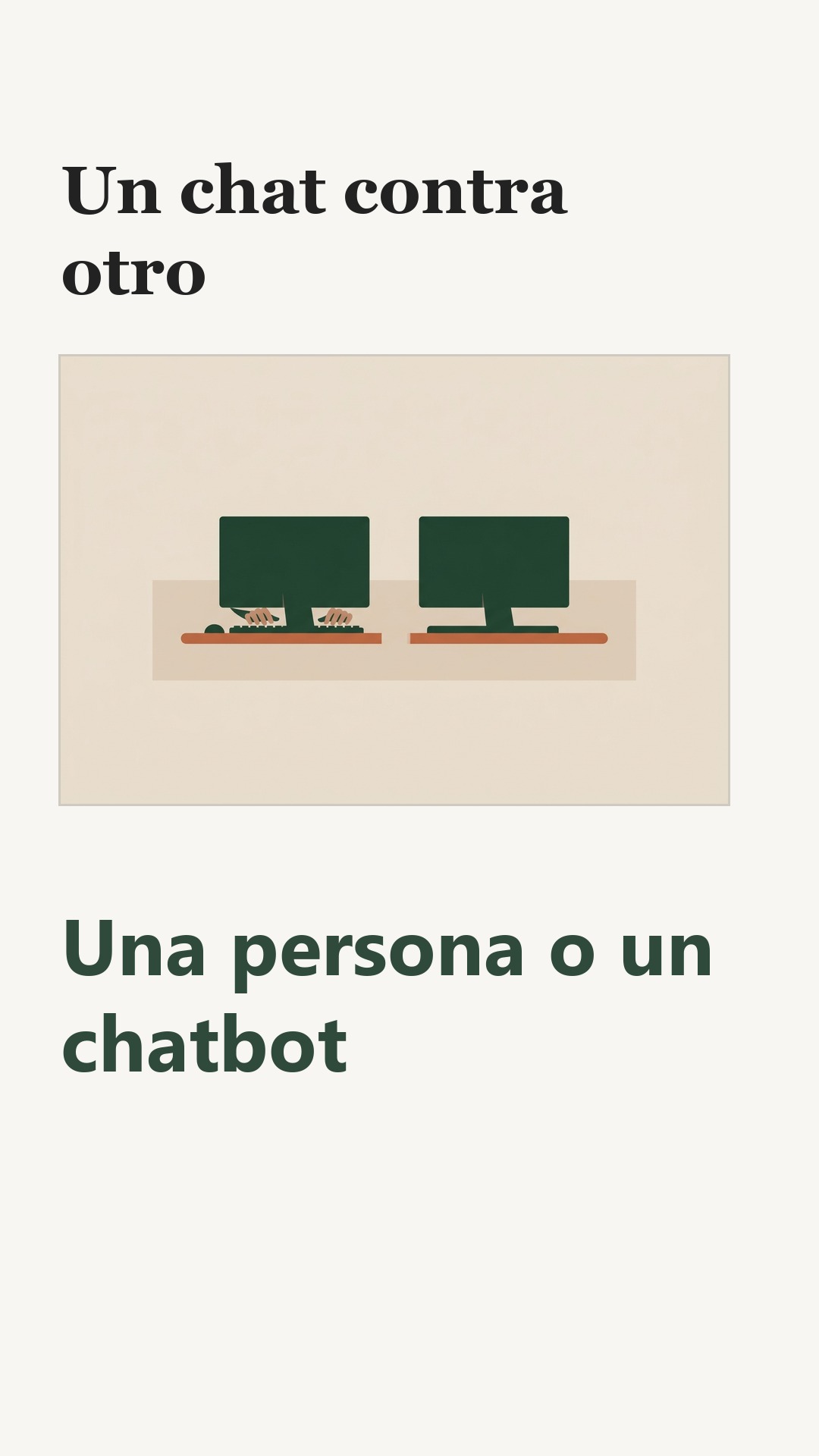
- ChatGPT-4 and a Human Coach Compared for Procrastination subscribe short + detailed In a small test, students who chatted with a person put off tasks less by the end. The same coaching with ChatGPT-4 did not show a significant change, and the gap between the two was too small to call. Researchers at the University of Mainz in Germany built a short coaching for procrastination from cognitive behavioral methods, the approach that targets the thoughts and habits that keep people putting tasks off. It ran three chat sessions of about 20 minutes each, spread over about 17 days.Un chat contra otro: qué pasó cuando 62 estudiantes intentaron dejar de postergar suscríbase breve + detallada Los investigadores compararon un coach de carne y hueso con ChatGPT-4. El grupo del chatbot no mejoró de forma significativa, y el grupo humano sí, pero la diferencia entre ambos no alcanzó a ser concluyente. Un grupo de investigadores de la Universidad de Mainz, en Alemania, armó un entrenamiento breve contra la procrastinación. Eran tres sesiones por chat, de unos 20 minutos cada una, basadas en técnicas de terapia cognitivo-conductual. La primera servía para observar cuándo y por qué uno posterga. La segunda, para ordenar el tiempo y las distracciones. La tercera, para revisar los pensamientos que empujan a dejar todo para después.
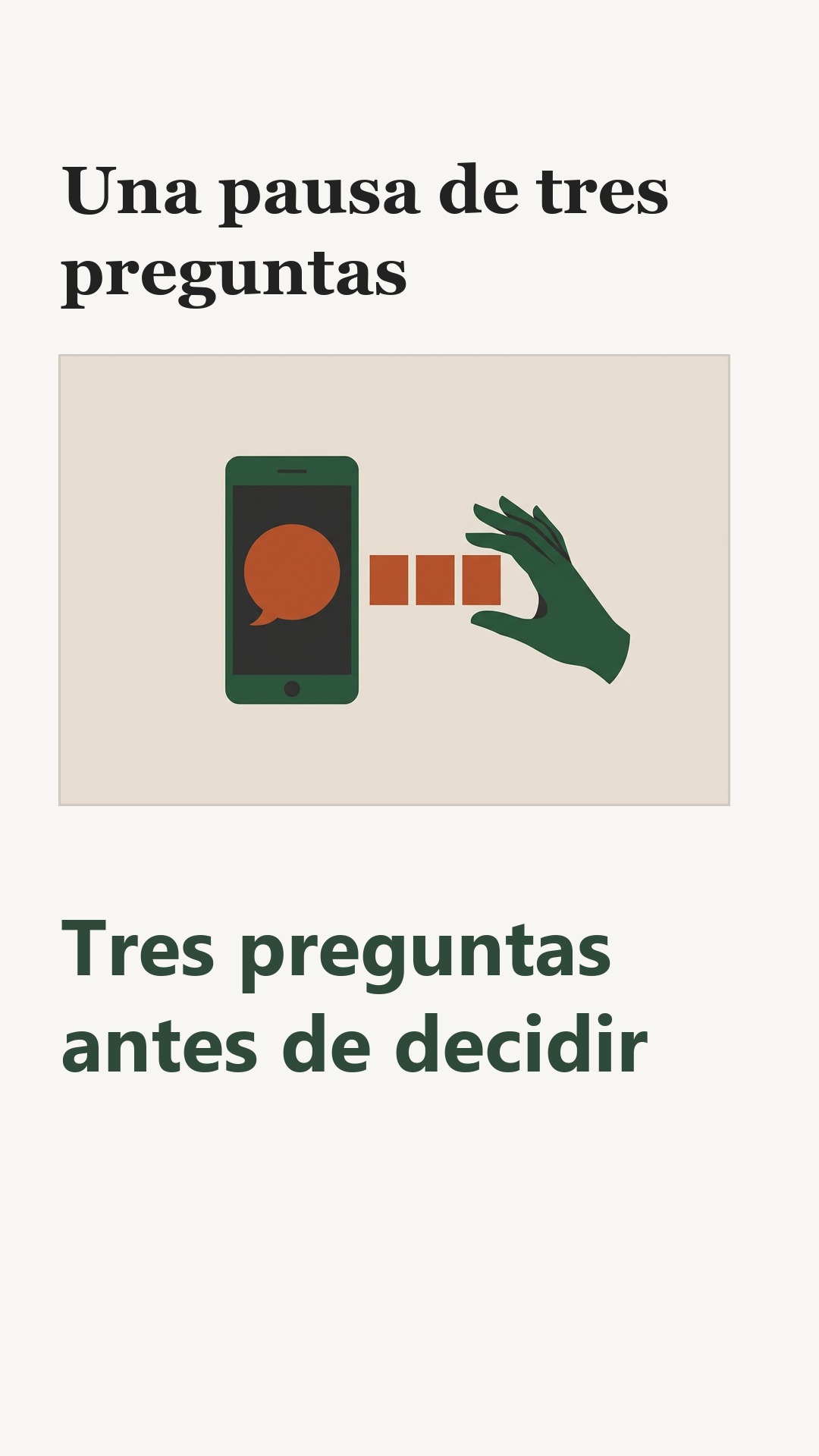
- A Chatbot Made Them Feel Sure. A Short Pause Cut How Often They Followed Bad Advice. subscribe short + detailed In one experiment at a Chinese university, students took wrong ChatGPT answers far more often than they realized; three questions before deciding helped, and the study says nothing about long-term use. You ask a chatbot to help you decide something. It answers in full, confident sentences. By the time you answer, you feel more certain than you did before you asked.Una pausa de tres preguntas bajó del 62.4% al 39.7% la aceptación de consejos erróneos del chatbot suscríbase breve + detallada En un experimento con 342 universitarios en China, una pausa de tres preguntas antes de la respuesta final redujo la aceptación de consejos erróneos del 62.4% al 39.7%. Fueron tareas cortas, en una sola universidad y en una sola sesión. Usted le pide a un chatbot que lo ayude a decidir algo. La respuesta llega completa, bien redactada, con explicaciones que suenan a experto. Al terminar, se siente más seguro de su respuesta que antes de preguntar. Un experimento reciente muestra lo que puede pasar cuando esa seguridad no está respaldada por nada.

Todas las notas de todas las secciones, breves y detalladas, la edición completa por correo cada semana y todas las ediciones pasadas: 199 MXN al mes, cancele cuando quiera; o seis meses o un año en un único pago.
Vea lo que recibe¿Ya está suscrito? Entre aquí.
Every story of every section, short and detailed, the whole edition by email every week, and every past edition: $9.95 a month, cancel whenever you like; or six months or a year paid once.
See what you getAlready a subscriber? Sign in.