Weekly AI Watch

Every week, what changed and what it means for you. No hurry, no alarm.

Week of 23 October 2026 | Past editions18,276 papers found · 17,064 read · 5,349 belonged · 37 stories passed every check

Ask the week's studies

Ask the weeklyAI chat

Ask me about this week's research: what was found, how far it can be trusted, and what you can do with it. I answer from this week's stories.

Conversations are saved for as long as weeklyAI exists, to improve the publication. Answers come in the language you write in.

Anyone may ask: the answer is short and drawn from the whole week. Subscribers get the full answer and the whole conversation, and every story it points to opens for them.

Your child

More in this section

Your mind

More in this section

Your job

More in this section

Your parents

More in this section

Your students

The Chatbot Explained the Error. Students Did Worse.

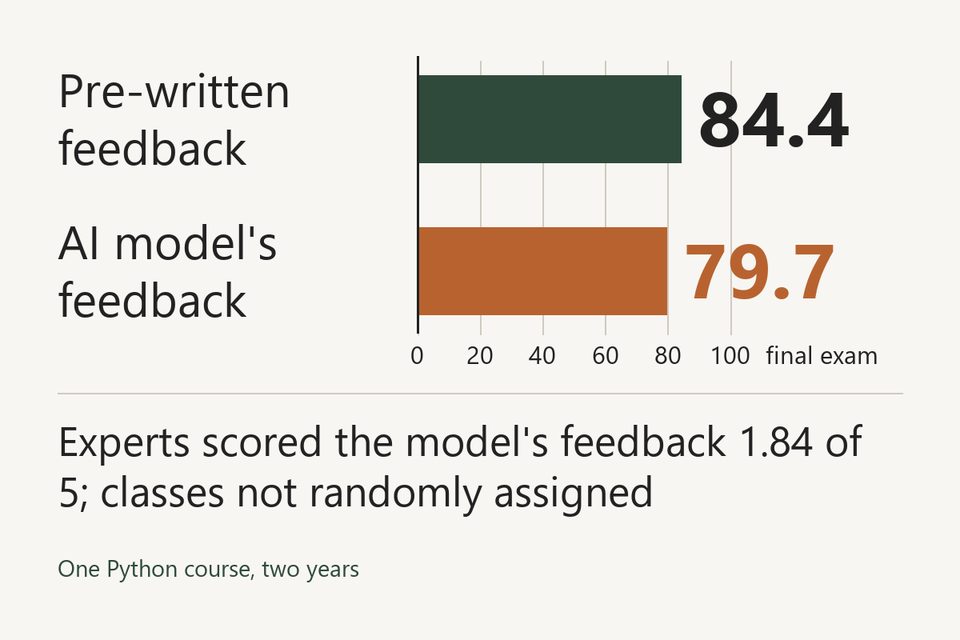
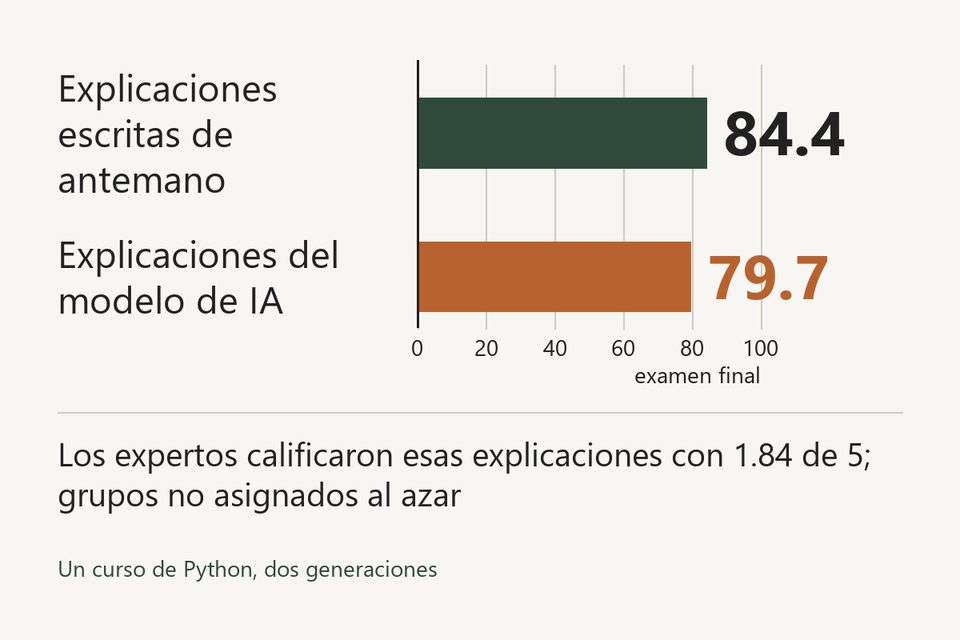
In one Python course, an AI model's feedback scored 1.84 out of 5 with experts, and the students who got it scored lower on the final exam than an earlier group given pre-written feedback.

2 min read · subscribers

Your business

More in this section

Your rights

More in this section

Your vote

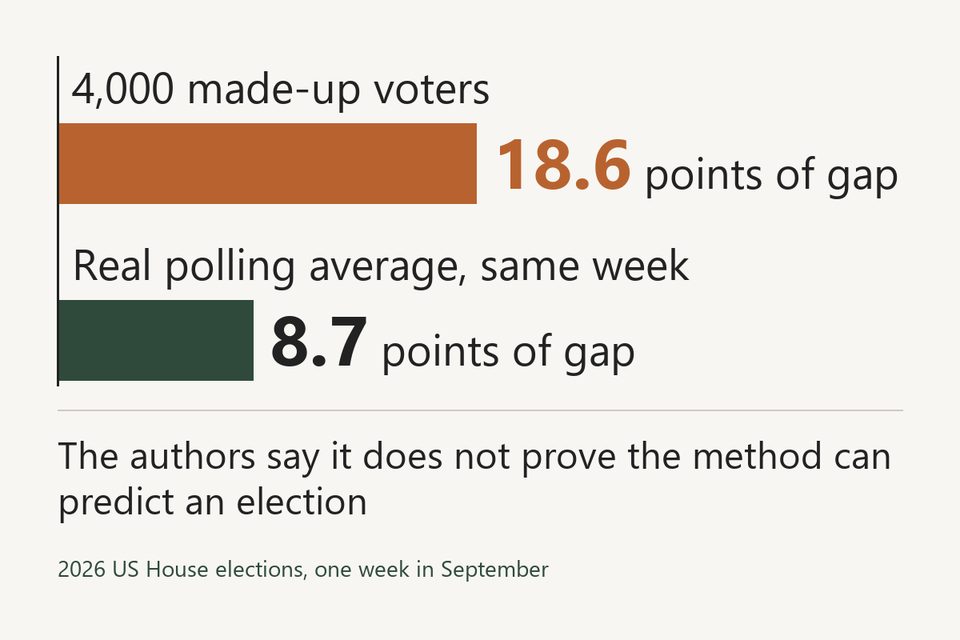
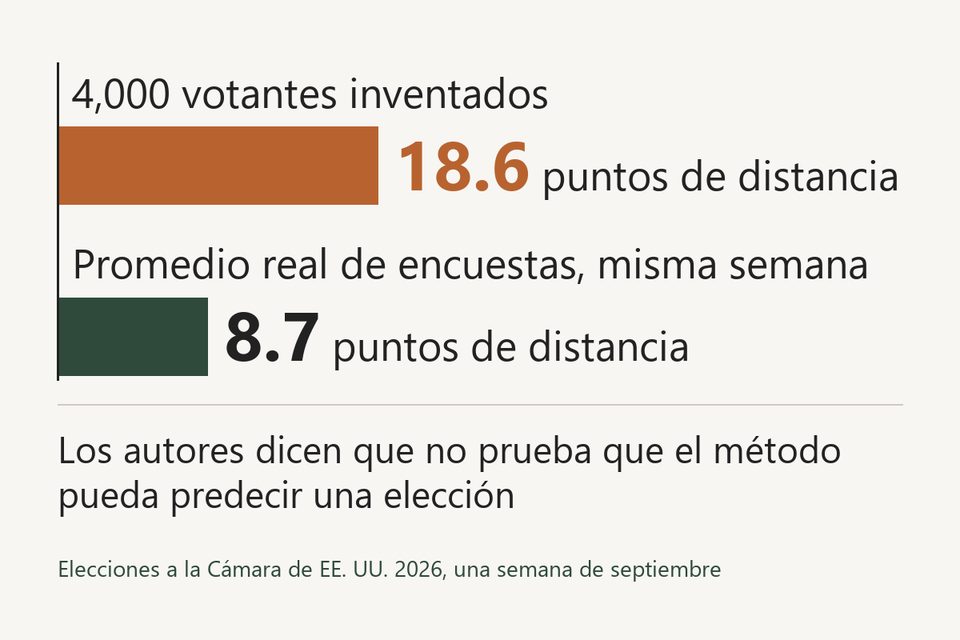
A simulation of 4,000 fake voters put one party about ten points higher than real polls, and its authors say it does not prove the method can predict an election.

Researchers at the University of Amsterdam and Oxford built 4,000 made-up voters using a chatbot, each with an invented biography and a memory of recent events, and had them answer turnout and vote-choice questions for the 2026 US House elections in one week, August 31 to September 6. Some of the fake voters were also given news to read, and others were not.

1 min read · free

Nigeria's deepfake laws leave people exposed, a legal review finds.

Nigeria's Cybercrimes Act 2015, amended in 2024, does not mention deepfakes or synthetic media, a legal review published in 2026 found. The review says the law catches a faked voice used to move money, an impersonation for gain, and AI-made child sexual abuse imagery.

1 min read · free

More in this section

The good news

This week's films

The films are for subscribers; the pictures are for everyone.

From the house

About

Every week the new research on AI is read here, and this page tells you what was found, how far it can be trusted, and what you can do with it. This page is free, and every line on it says what was found.

The studies are read by a machine built and ruled by a professor of communication at Sacramento State and Universidad Nacional Autónoma de México (UNAM). Who makes this →

Diego Bonilla, Ph.D.

Full Professor of Communication Studies, Sacramento State, California, United States
Graduate instructor, Universidad Nacional Autónoma de México (UNAM), Mexico

hypergraphia.com

I am a professor of communication at Sacramento State, where I created the course Information Management and Privacy and have taught it many times, and at UNAM, in Mexico City, I teach the graduate course Electronic and Generative Literature with AI. In both I teach AI. I have taught since 1989, at first mathematics and physics to children who found them hard, and since 1997 one subject that has changed its name many times: media literacy, computer literacy, digital literacy, information literacy, ICT literacy, and now AI literacy.

This page exists because most people cannot go back to a university, and these systems are changing their work, their children's schooling, their parents' care and their vote all the same. What a university teaches about them should reach the people who need it, every week, in plain language, without enrolling anywhere. That is what I do here, and it is what I do on Thursday mornings in a seminar for the Renaissance Society at Sacramento State, built on this publication, where anyone can send a question and hear it answered.

In 2003 my doctorate at Syracuse measured what a machine can infer about a person from the traces they leave, and what I found became the privacy course I still teach. In 2007 and 2009 I sat on the committee at ETS in Princeton that set the national standard for digital literacy, and from 2014 to 2016 I was the California State University's ICT Literacy Ambassador. Six names, one job: helping people not be at the mercy of the newest machine.

I have also worked on the other side of the counter. In 2000 I began making films that a machine assembles differently for every viewer; the first of them took first prize at the Moscow International Film Festival in 2004, two decades before the industry shipped a generative model. A generative video poem I made with a poet at UNAM is in the field's definitive anthology, and in 2025 my AI short film The Human Futures Market took Best AI Short Film at the Red Rocks AI Film Festival. My recent published research is on AI and elections, and on how these models represent the cultures they were not trained on. I do not read the papers myself, and this page will never tell you I do. I built the machine that reads them and wrote the rules it reads by, and I analyze what it gives me the way I have taught my students to analyze: asking how it knows, and who benefits from what it says.

The vendors began teaching AI literacy two years ago, because before that there was nothing to sell. I am not against them. I am simply not one of them, and no one who sells these systems pays for this page. Your subscription does, and that is what keeps it honest.

The record, dated
  • 1989 Teaching begins, Mexico City
  • 1995 Hypergraphia, an early Spanish-language web and hypermedia publisher
  • 1996 Mercadotecnia e imagen en Internet, with Jesús del Toro, a book on marketing on the Internet, among the first in Spanish, Editorial Iberoamérica
  • 1999 Autorretrato, first generative poem, published by UNAM's Instituto de Investigaciones Filológicas
  • 2003 Ph.D., Syracuse University, Doctoral Prize, for the dissertation The Medium Is the Measure of Itself
  • 2004 A Space of Time: First Prize, Internet/Multimedia, XXVI Moscow International Film Festival
  • 2007, 2009 ETS iSkills committee, Princeton
  • 2008 Making Sense of Tracking Data, a book on how the traces a person leaves online allow inferences about them, including how they think, VDM Verlag
  • 2011 Keynote on generative work, UNAM
  • 2014–2016 ICT Literacy Ambassador, California State University · California Open Educational Resources Council
  • 2019 Big Data, with Rodolfo Mata: Electronic Literature Collection, Volume 4
  • 2020 Tablada Hipertextual, with Rodolfo Mata, UNAM: the computer reads a poet's words and builds a different reading from them, the ground the language models now work on
  • 2021 Uku Pacha, a generative VR film: world premiere, Vancouver International Film Festival
  • 2023 Keynote on the representation of Latin American cultures in AI, Ibero-American Meeting of Audiovisual Narratives, Trujillo, Peru · Graduate teaching at UNAM begins
  • 2023–2026 Directed the faculty learning community Advancing AI Literacy, Sacramento State · Principles for Cognitive and Pedagogical Sovereignty
  • 2024 A weekly AI publication run on real pipelines, every week since
  • 2025 Best AI Short Film, Red Rocks AI Film Festival
  • 2026 Keynote, with Nancy Huante-Tzintzun, Latin American and Caribbean Digital Humanities symposium, UT San Antonio · AI Watch, a weekly seminar for the Renaissance Society at Sacramento State

The research record →

TertulIA: weeklyAI.watch/tertulia/en/Pictures are illustrations generated by weeklyAI.watch, never photographs

Observatorio de la
Inteligencia Artificial

Cada semana, qué cambió y qué significa para usted. Sin prisa y sin alarma.

Semana del 23 de octubre de 2026 | Ediciones anteriores18,276 estudios encontrados · 17,064 leídos · 5,349 correspondían · 37 notas pasaron todas las comprobaciones

Pregunte a los estudios de la semana

Pregunte al chat de weeklyAI

Pregúnteme por la investigación de esta semana: qué se encontró, hasta dónde se puede confiar en ello y qué puede hacer usted con eso. Respondo a partir de las notas de esta semana.

Las conversaciones se guardan mientras exista weeklyAI, para mejorar la publicación. Se responde en el idioma en que usted escribe.

Cualquiera puede preguntar: la respuesta es breve y sale de toda la semana. Quienes se suscriben reciben la respuesta completa y la conversación entera, y cada nota que señala se les abre.

Sus hijos

Más en esta sección

Su mente

Más en esta sección

Su trabajo

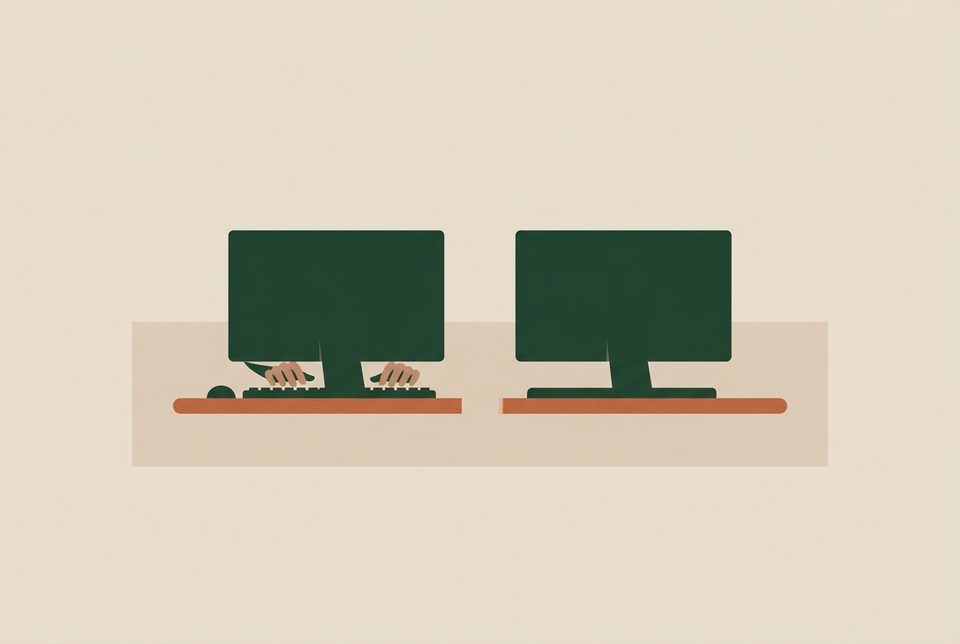
Una entrevista con máquina: lo que respondieron 438 personas que ya pasaron por una

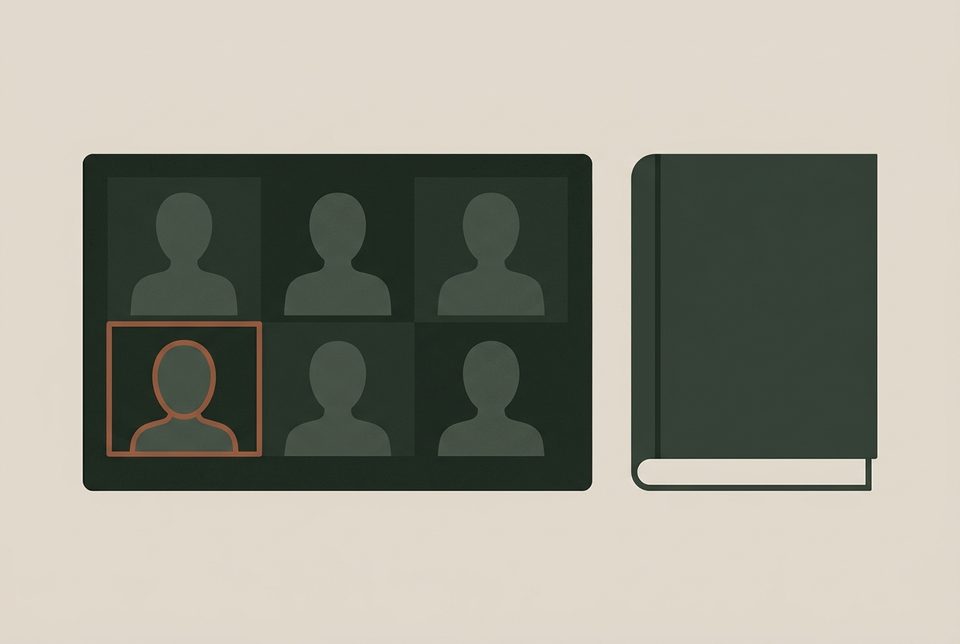
En una encuesta en China y Pakistán, quienes habían hecho una entrevista con inteligencia artificial la relacionaron con menos transparencia y menos ganas de seguir en el proceso; la brecha fue mayor en Pakistán, y los propios autores advierten que no hablan por ninguno de los dos países. Imagine que la persona que lo entrevista para un empleo es una pantalla.

2 min de lectura · suscriptores

Más en esta sección

Sus padres

Más en esta sección

Sus estudiantes

Su negocio

Piensan usar la IA, no la compraron

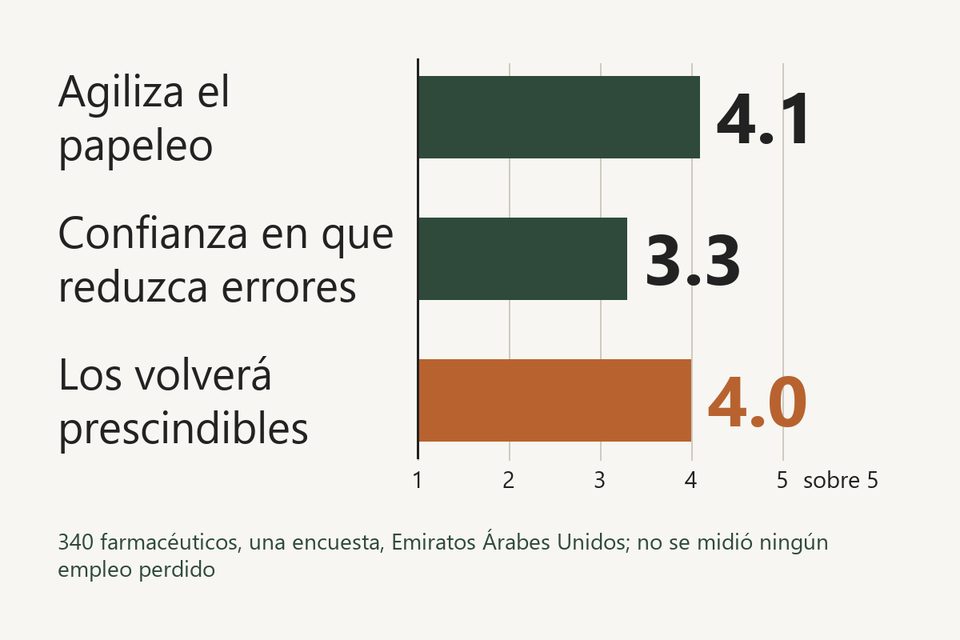
Una encuesta a 127 administradores de hospitales, gerentes de farmacia y profesionales del marketing farmacéutico en Rumanía midió intención, no compras ni resultados. Usted tiene un negocio pequeño y nadie en la casa sabe de tecnología.

2 min de lectura · suscriptores

Más en esta sección

Sus derechos

Más en esta sección

Su voto

Un video falso de un candidato puede circular y quedarse en línea. La ley nigeriana no tiene una salida clara para usted.

1. El artículo recoge un caso de antes de las elecciones de 2023 en Nigeria: circuló un audio que decía ser de tres políticos hablando de cómo torcer la votación, y los verificadores hallaron voces generadas con inteligencia artificial. El artículo recoge otro caso de 2024: apareció un video del presidente Tinubu hablando de comprar un club de fútbol, algo que nunca dijo.

1 min de lectura · gratis

Más en esta sección

Las buenas noticias