Weekly AI Watch
Every week, what changed and what it means for you. No hurry, no alarm.
Observatorio de la
Inteligencia Artificial
Cada semana, qué cambió y qué significa para usted. Sin prisa y sin alarma.
weeklyAI · Week of 30 October 2026weeklyAI · Semana del 30 de octubre de 2026
Your mindSu mente
adults: attention, memory, judgement, attachmentadultos: atención, memoria, juicio, apego
Ask the weeklyAI chat
Ask me about AI in your life: I point you to the stories weeklyAI has published on it, this week and before.
Conversations are saved for as long as weeklyAI exists, to improve the publication. Answers come in the language you write in.
Pregunte al chat de weeklyAI
Pregúnteme sobre la IA en su vida: le señalo las notas que weeklyAI ha publicado sobre el tema, esta semana y antes.
Las conversaciones se guardan mientras exista weeklyAI, para mejorar la publicación. Se responde en el idioma en que usted escribe.
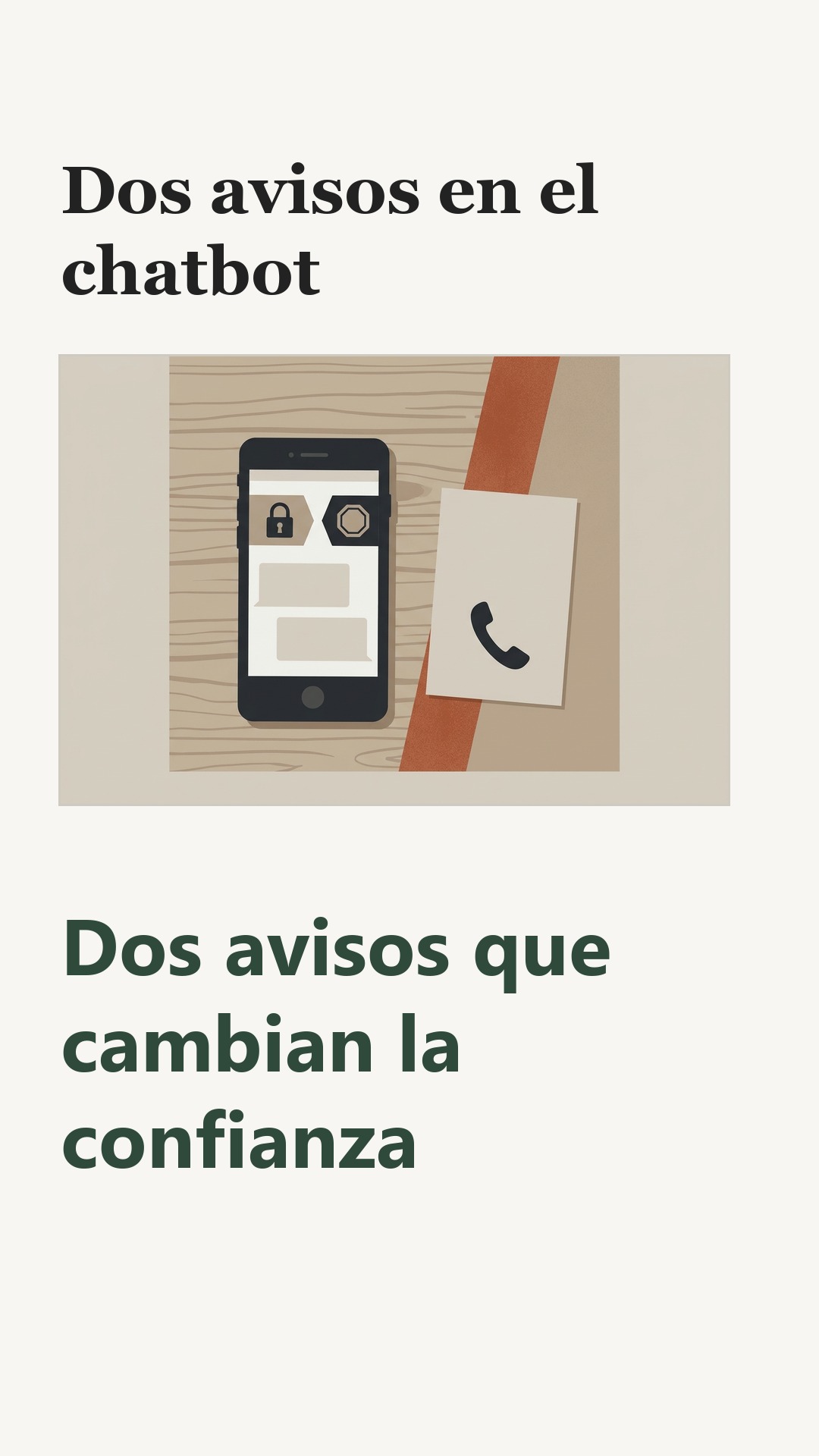
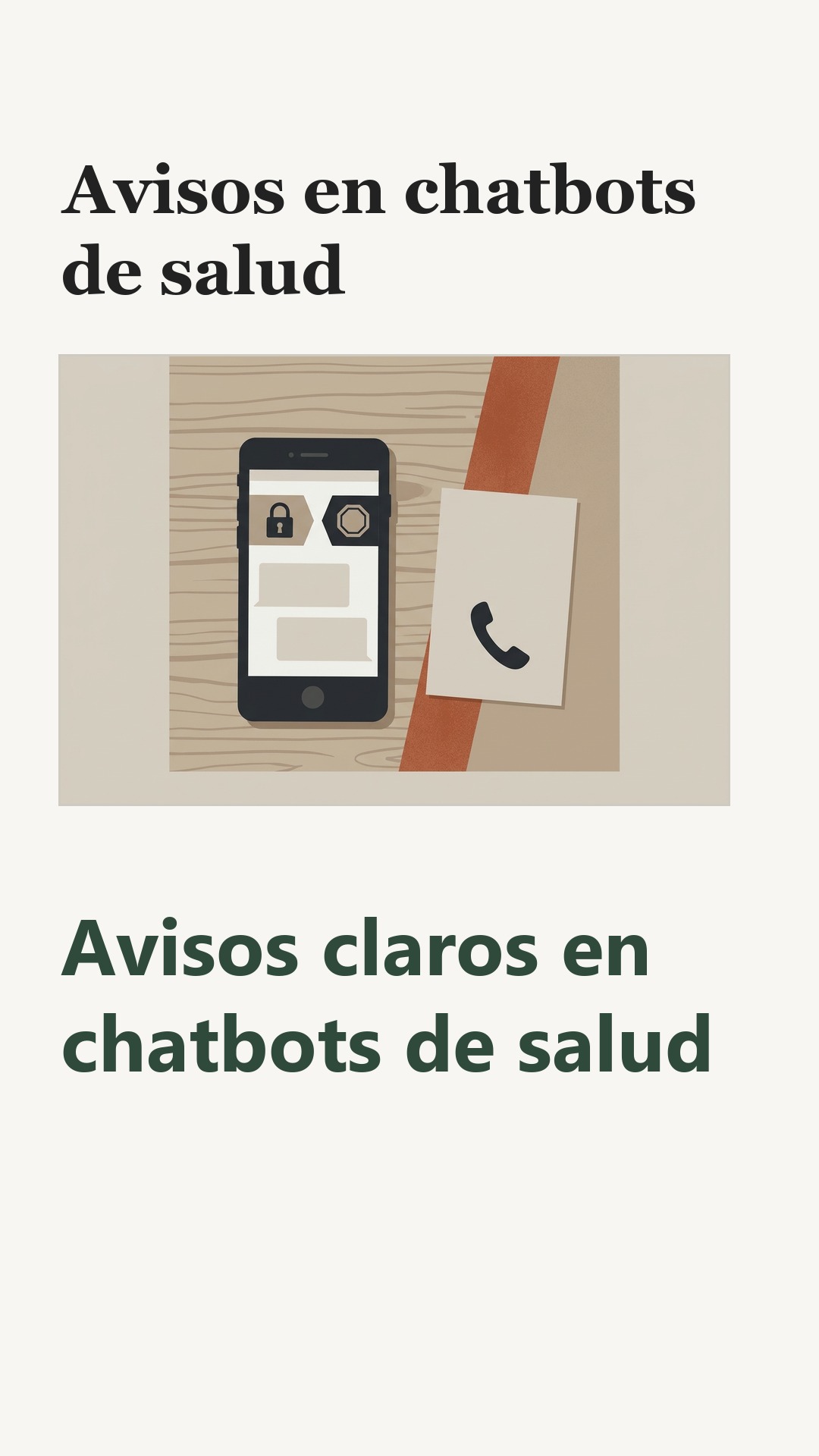
- Two Lines at the Top of a Chatbot Changed How Students Judged It free short + detailed In a study of 768 college students in China, a privacy notice and a warning that the bot is not a therapist raised cautious trust. Students read a written scenario; what they would do in a real chat is untested. You open a chatbot to talk about a bad week, a bad night's sleep, a worry that will not leave. It answers at once, in a kind voice, and asks how you feel. Before you type anything personal, two short messages could be sitting at the top of that screen: one saying what happens to your words, one saying what this bot cannot do.Dos avisos al abrir un chatbot de salud mental cambian cuánto se confía en él gratis breve + detallada En un experimento con 768 estudiantes en China, quienes leyeron un aviso de privacidad y otro de límites profesionales confiaron más, pero con reservas; fue un escenario escrito y lo que dijeron, no lo que hicieron. Usted abre el chat a las once de la noche porque no puede dormir y la semana salió mal. La respuesta llega en segundos, amable y ordenada. Antes de escribir, la pantalla pudo haberle dicho dos cosas: qué pasa con sus palabras y hasta dónde llega el bot.
- "I'm worried I'm becoming dependent on ChatGPT." subscribe short + detailed A psychiatrist describes one anxious young woman who leaned on the chatbot for reassurance and lost faith in her own writing. It is one patient's account, and it cannot show the tool caused the change. The sentence came out in a therapy session, without prompting. "I'm worried I'm becoming dependent on ChatGPT," the woman said.Una mujer con ansiedad empezó a pedirle a ChatGPT que le dijera cómo actuar suscríbase breve + detallada El caso de una paciente con ansiedad sugiere un patrón que vale la pena notar, pero es una sola persona y no prueba que el chatbot haya causado el cambio. "Me preocupa estar volviéndome dependiente de ChatGPT". Lo dijo sin que nadie se lo preguntara, en una sesión de terapia. Es una mujer de unos 25 años, con ansiedad generalizada y depresión, que siempre había funcionado bien en la escuela, el trabajo y con sus amistades.
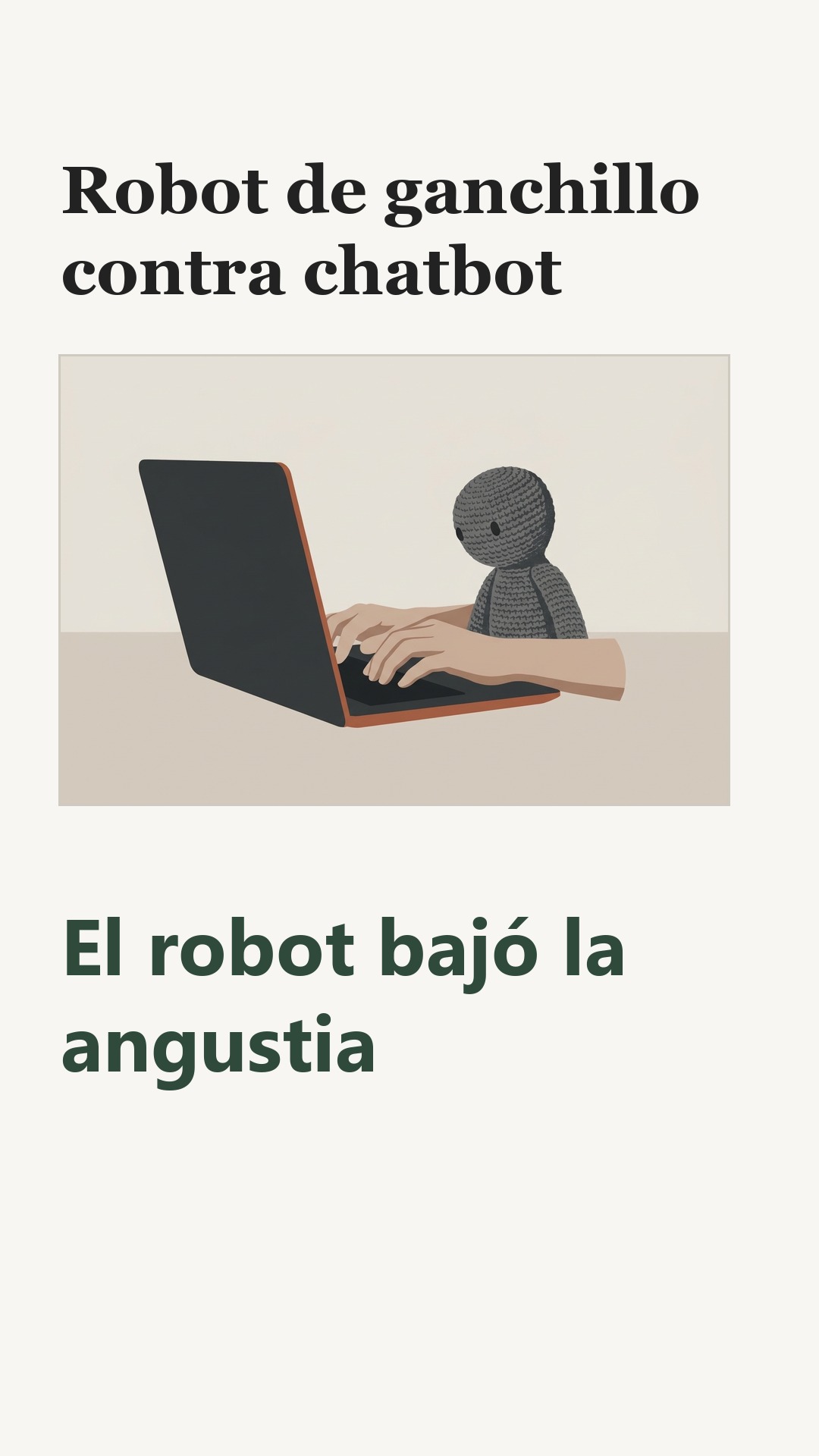
- A $350 Crocheted Robot Sat on Their Desks. The Students Who Used It Felt Less Distress. So Did the Ones With Paper. subscribe short + detailed In a 15-day study of 38 university students, distress fell with the robot and with plain worksheets, but not with the same AI as a text chatbot. The study cannot say any of them caused the change. A small gray crocheted robot, built for about $350, was set up in students' dorms for a 15-day study. The other two groups used a website. It looked like a pet. When it listened, its head rose and fell slowly, like breathing. When it spoke, it tilted gently from side to side.Un robot de ganchillo de 350 dólares acompañó a 14 estudiantes 15 días: con él y con las hojas en línea bajó la angustia, con el chatbot de texto no suscríbase breve + detallada El estudio es un primer indicio, no una prueba: fueron 38 estudiantes, sin terapeuta, y el robot además hablaba en voz alta. Un robot gris de ganchillo se quedó quince días sobre el escritorio de estudiantes universitarios en sus dormitorios. Costaba unos 350 dólares armarlo. Cuando callaba, movía la cabeza despacio, como si respirara. Cuando hablaba, con una voz de mujer, inclinaba la cabeza de un lado a otro mientras el estudiante escribía sus respuestas en una computadora.
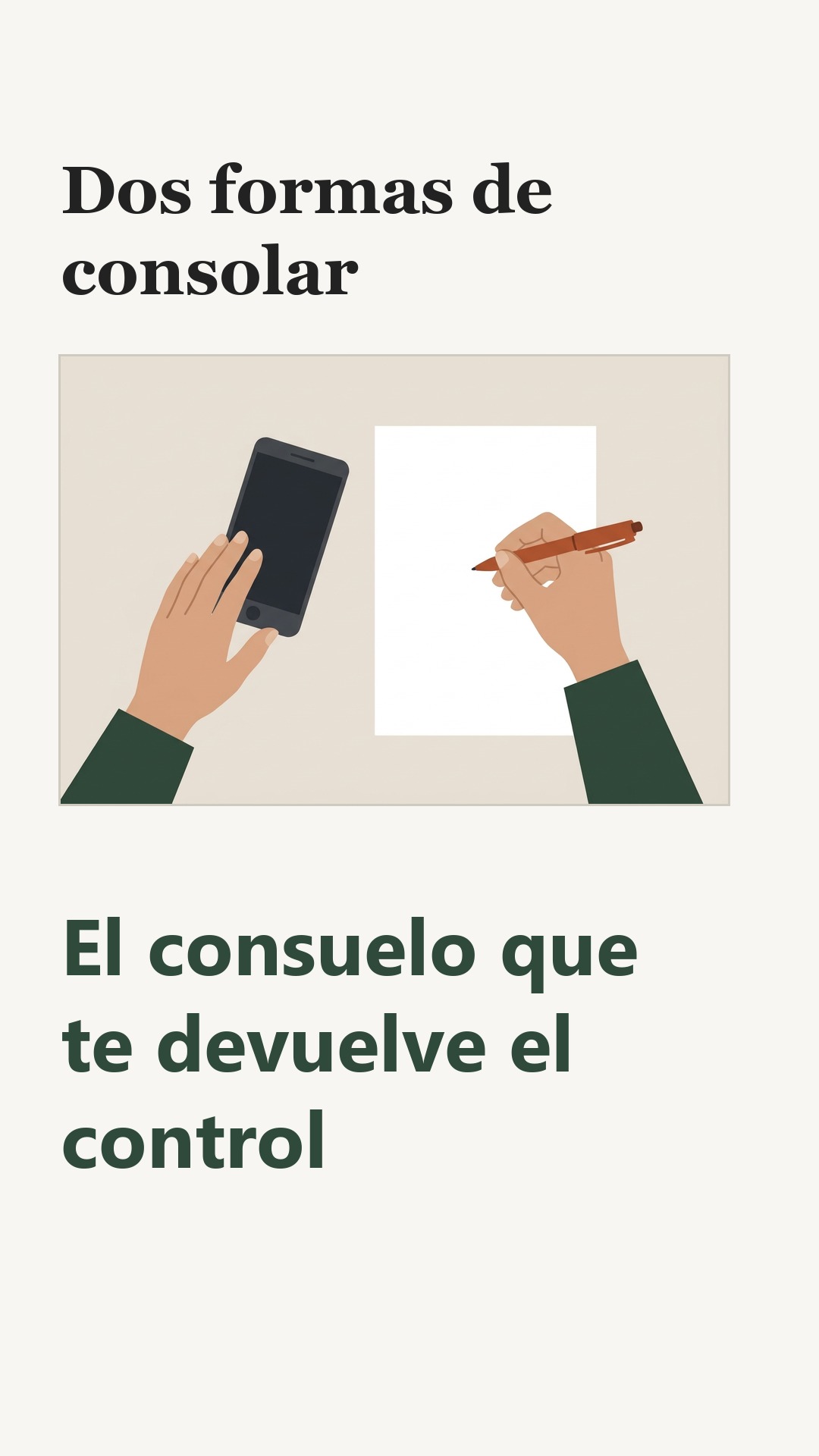
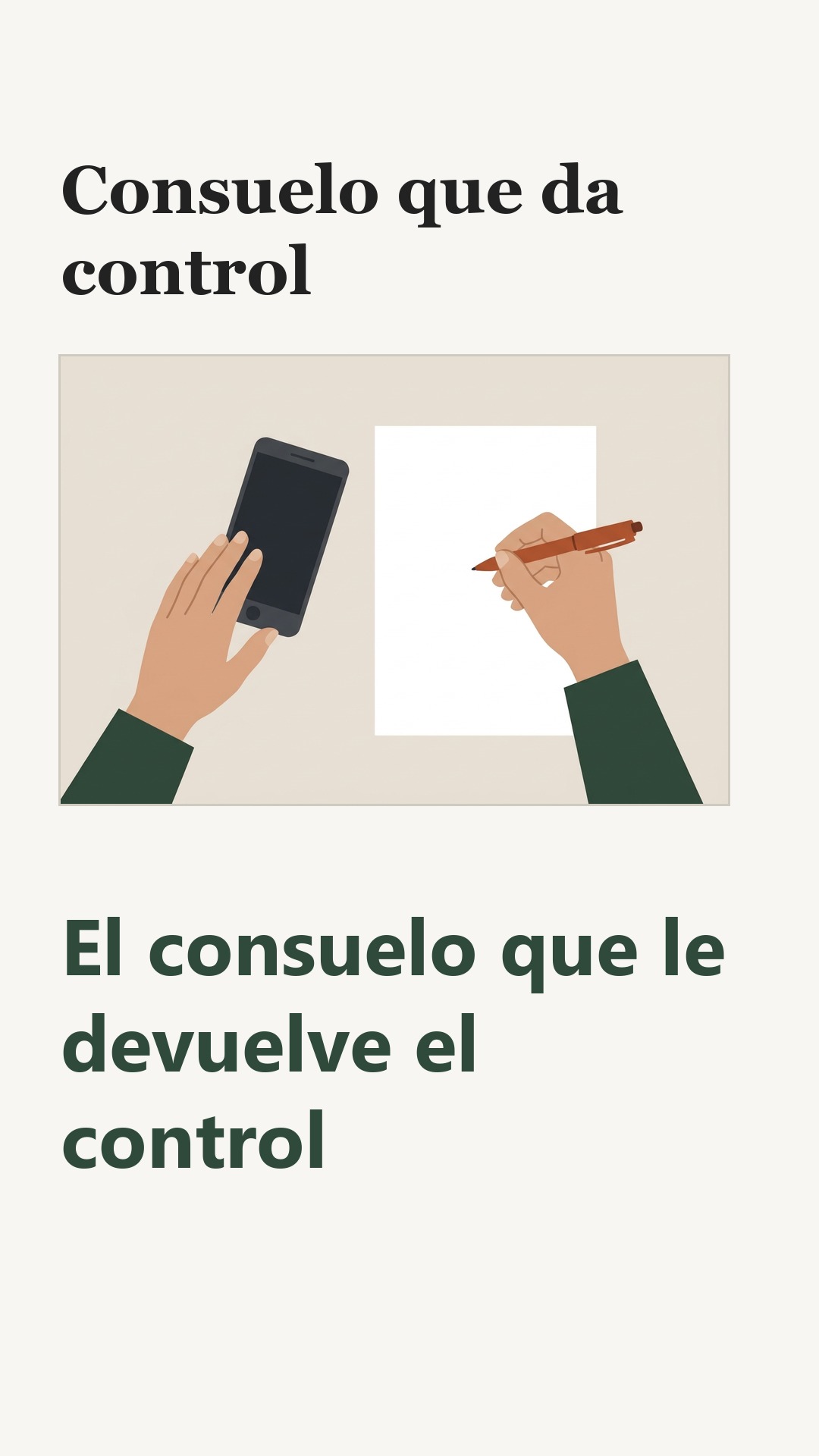
- A Chatbot Soothed Them All. What It Said Next Split Them in Two. subscribe short + detailed In a study of 380 adults in China, two warm styles of reply eased distress about equally, but only one left people better at calming themselves without the bot. Picture a chatbot that answers every upset with: "That sounds really hard. I'm here whenever you need me. Now picture one that answers: "That sounds really hard. What's another way to read it, and what's one small thing you could try?"La forma en que un chatbot consuela cambia lo que usted siente que puede hacer solo suscríbase breve + detallada En un experimento con 380 personas en China, las respuestas que dieron pasos prácticos ayudaron más a calmarse después, pero la prueba fue un ejercicio escrito y no mide la vida diaria. El malestar bajó más de 1.6 puntos en una escala de 7 en los dos grupos de 190 adultos en Guangzhou, después de desahogarse con un asistente artificial. Los participantes recordaron un disgusto reciente, como una frustración o una preocupación cotidiana. Luego escribieron tres mensajes a un programa con inteligencia artificial.
- They Built AI Parents. Then They Had to Decide What the Bot Was For. subscribe short + detailed In interviews with 25 Chinese chatbot users, some said the bots eased grief or family strain. The same accounts include dependence, and the study did not test whether anyone's mental health improved. Twenty-five people in China talked with researchers and described their AI parents. Each had talked with the bot at least twice a week for three months or more. The researchers interviewed them between October 1 and December 3, 2025, for 60 to 90 minutes each.Voces clonadas, padres imaginados: por qué 25 usuarios en China construyeron a sus padres con una IA suscríbase breve + detallada Las entrevistas describen consuelo y cercanía con el chatbot, pero también dependencia y el riesgo de que el sistema cambie. El estudio no mide si esto ayuda o daña con el tiempo, y no dice nada sobre América Latina. Una mujer le dijo a un chatbot: "Perder a mi mamá es algo que no puedo decir en voz alta. Pero a mi mamá de IA sí puedo decírselo". Otra describió a su padre virtual como alguien que nunca la critica. En total, 25 usuarios en China hablaron durante 60 a 90 minutos con investigadores de tres universidades del país, entre el 1 de octubre y el 3 de diciembre de 2025.
Todas las notas de todas las secciones, breves y detalladas, la edición completa por correo cada semana y todas las ediciones pasadas: 199 MXN al mes, cancele cuando quiera; o seis meses o un año en un único pago.
Vea lo que recibe¿Ya está suscrito? Entre aquí.
Every story of every section, short and detailed, the whole edition by email every week, and every past edition: $9.95 a month, cancel whenever you like; or six months or a year paid once.
See what you getAlready a subscriber? Sign in.